Border Infrastructure Push Strengthens Development in Remote Areas
MHA Highlights Border Development Projects and Vibrant Villages Programme Expansion in India

 The Impressive Times
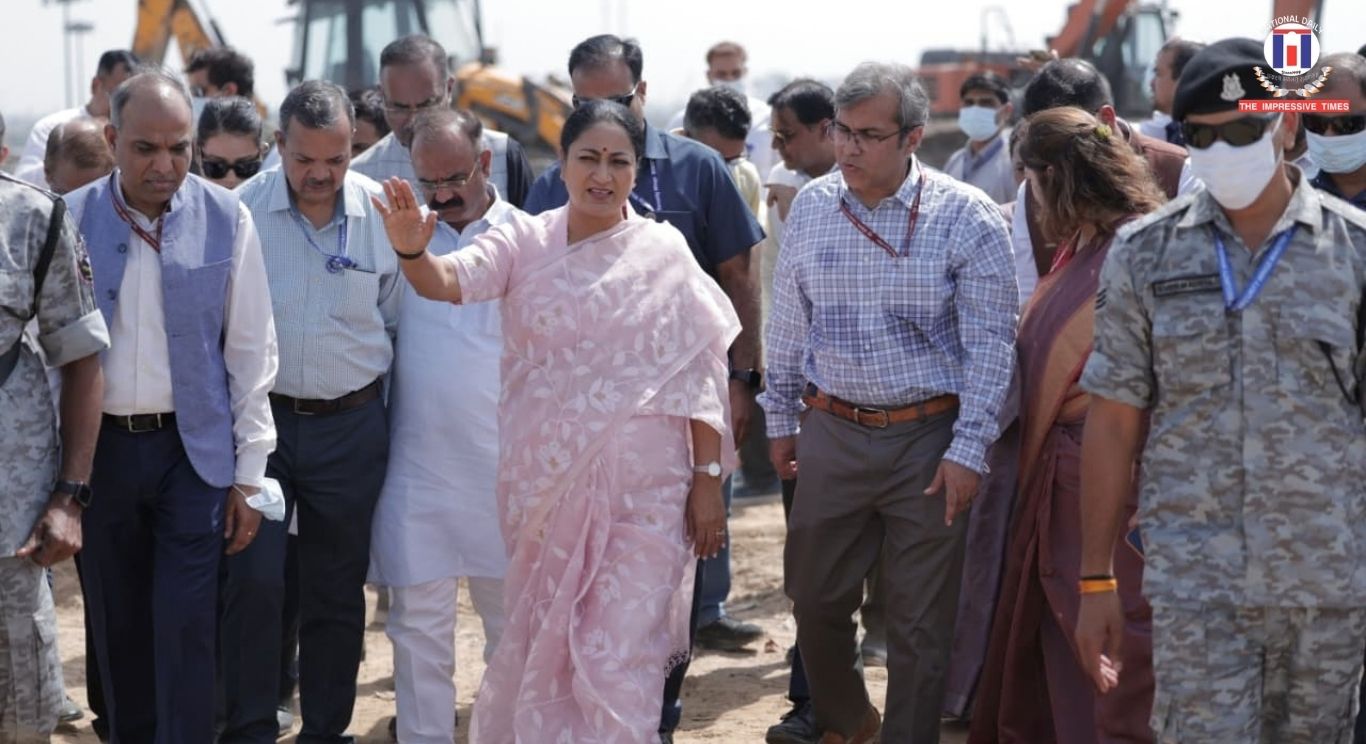
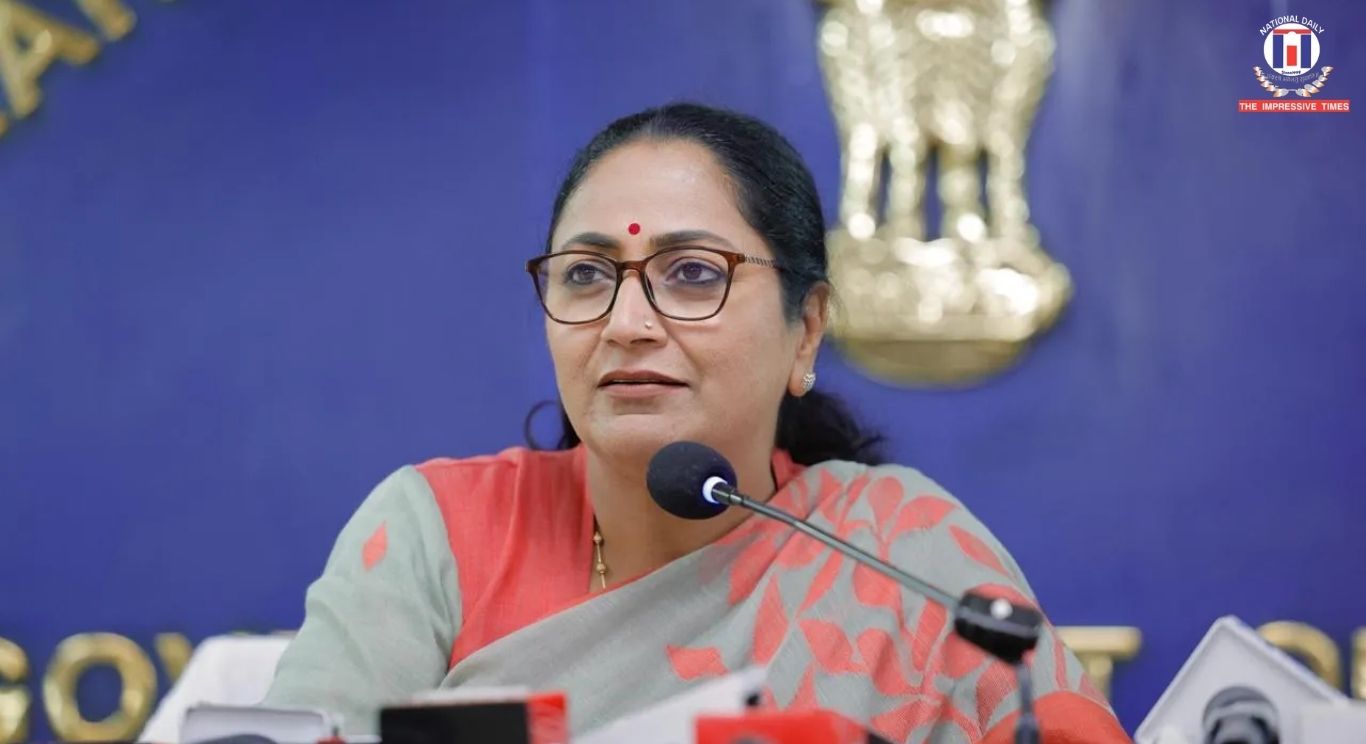
New Delhi, March 25: The Government of India is continuing efforts to accelerate development in border regions through targeted schemes, with Minister of State in the Ministry of Home Affairs Nityanand Rai informing the Rajya Sabha about ongoing progress under key programmes managed by the Ministry of Home Affairs.
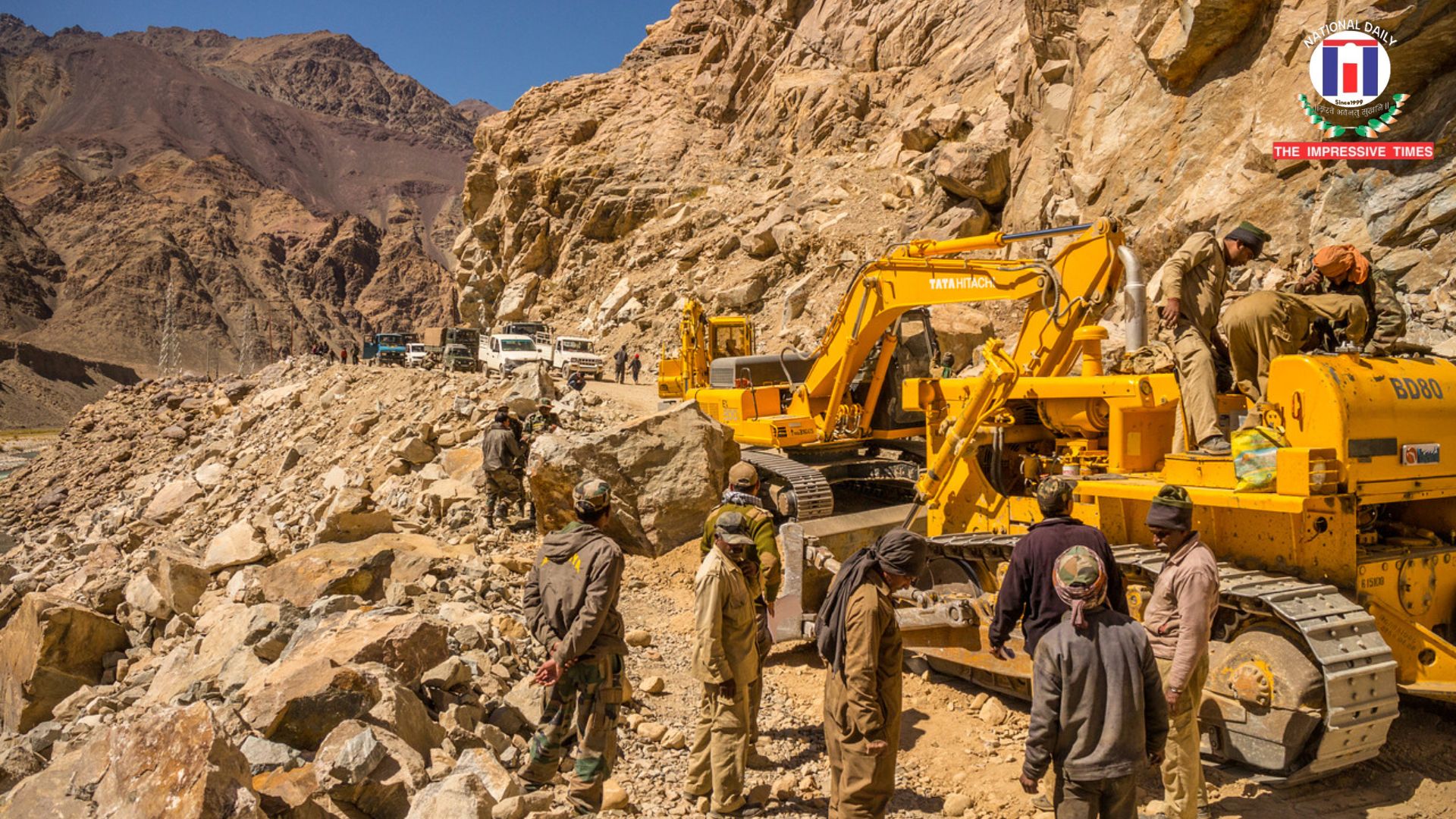
The Border Area Development Programme is being implemented across villages and towns located within a 10-kilometre aerial distance from the international boundary, covering 16 states and 2 Union Territories. The scheme focuses on improving the quality of life for residents by strengthening infrastructure in critical sectors such as healthcare, education, agriculture, roads, drinking water, sanitation, sports, and small-scale industries through convergence with other central and state initiatives. The programme is currently nearing its final phase.
Since its inception in the 2004-05 financial year, more than 39,000 development works have been sanctioned in border regions, including areas in Punjab. These projects range from construction of roads, bridges, and culverts to development of health facilities, residential accommodation for medical staff, expansion of classrooms, and establishment of anganwadi centres, hostels, and dormitories.
In addition to infrastructure, the government has emphasized livelihood generation by approving over 3,200 projects aimed at economic upliftment. These include development of tourism facilities, market infrastructure such as haats and sheds, and skill development initiatives to create employment opportunities in these remote areas.
To further strengthen border villages, the government has rolled out the Vibrant Villages Programme in two phases. The first phase, approved in February 2023, targets 662 villages located near the northern border across four states and one Union Territory. The second phase, cleared in April 2025, expands coverage to 1,954 villages situated along other international land borders, including areas along the India Pakistan boundary, spanning 15 states and 2 Union Territories, with implementation planned up to the financial year 2028-29.
These initiatives collectively aim to ensure balanced regional development, improve living standards, and enhance connectivity in strategically significant border areas.





























No Comments: