Fulfilling People’s Aspirations Core Aim Of Union Budget Says PM Narendra Modi
Union Budget Aims to Fulfil People’s Aspirations, Says PM Narendra Modi at Post-Budget Webinar

 The Impressive Times
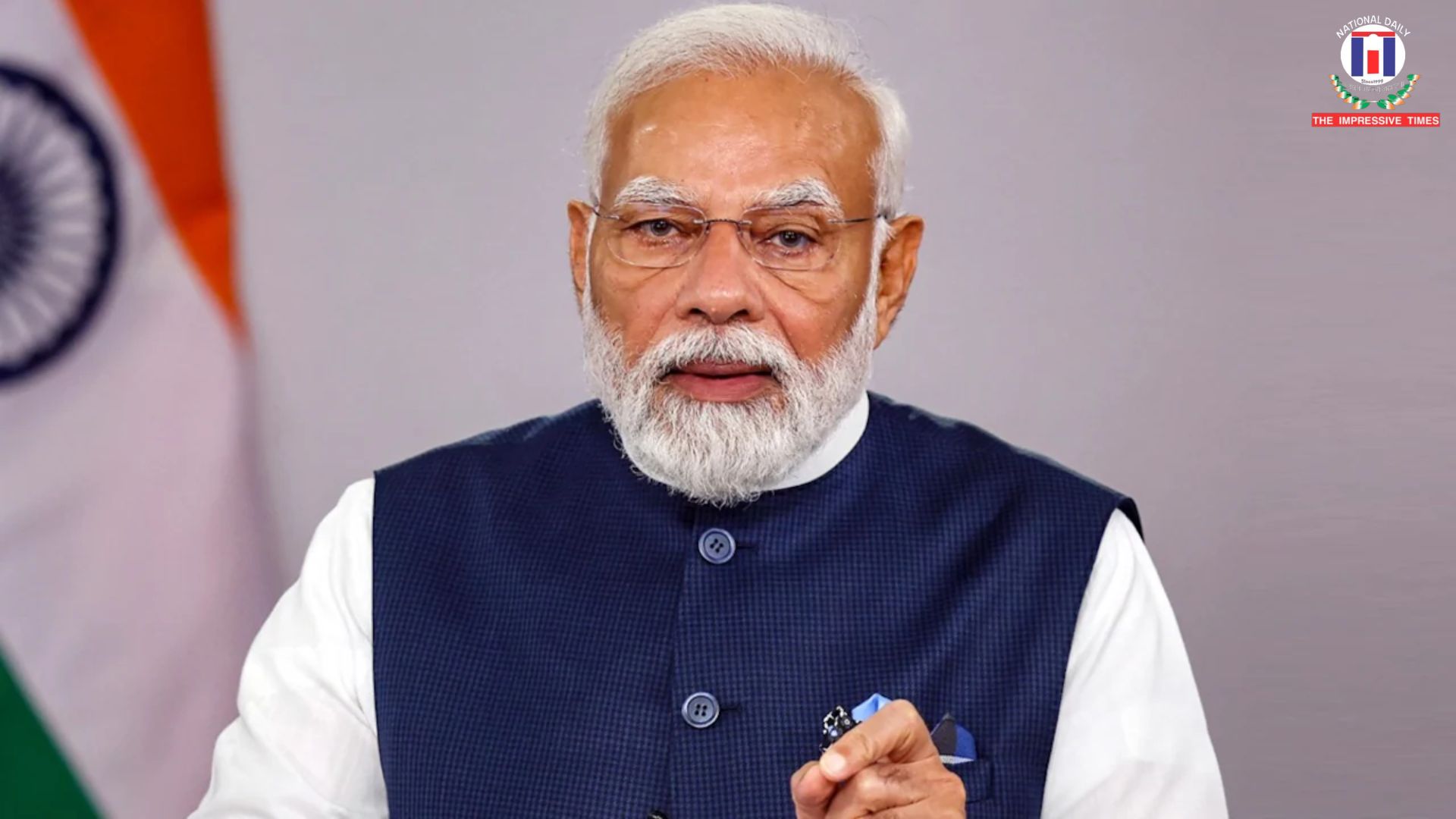
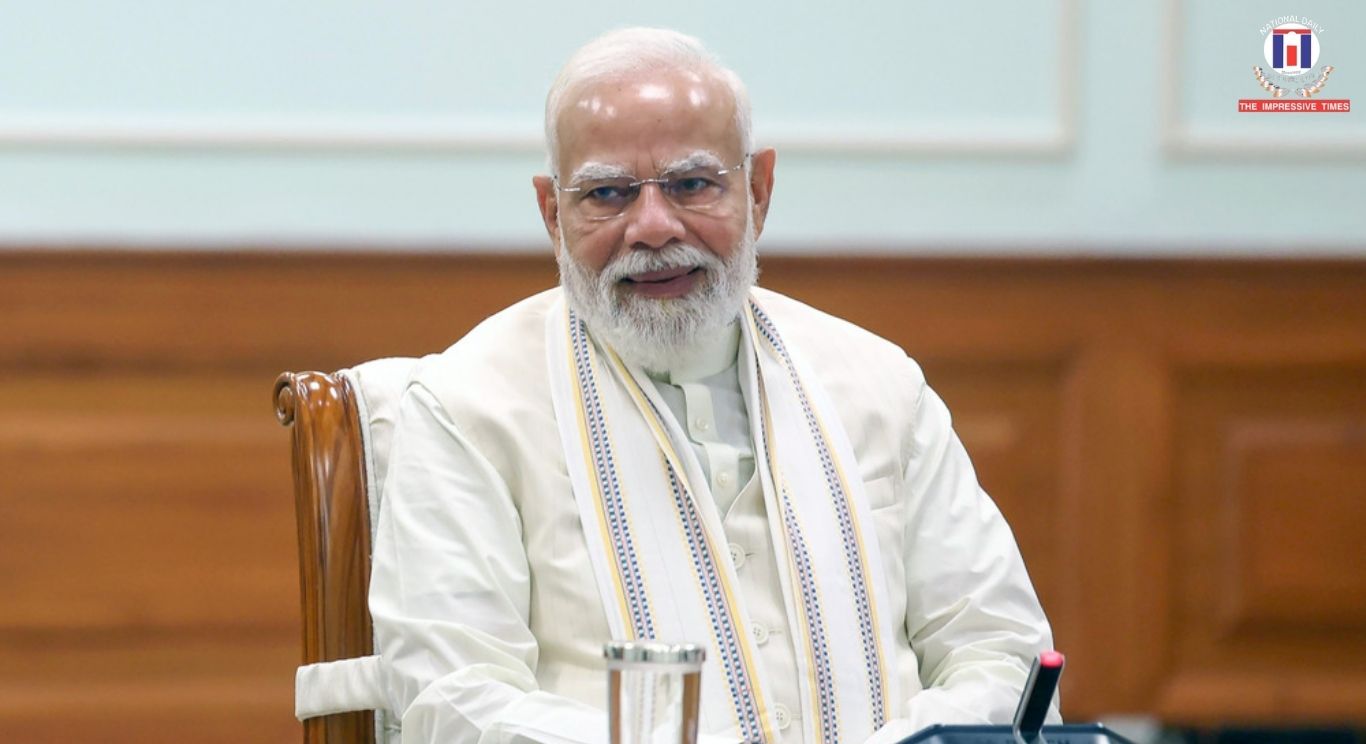
New Delhi, March 9: Prime Minister Narendra Modi on Monday said the Union Budget is designed with the primary aim of meeting the aspirations of citizens, stressing that government policies must directly improve people’s lives rather than remain limited to policy discussions.
Speaking during a post-budget webinar, the prime minister highlighted that sectors such as healthcare, education, tourism, sports, culture, and skill development play a crucial role in translating public aspirations into real opportunities. He invited suggestions from experts and stakeholders on how these areas can be strengthened further.
Modi noted that India has made significant progress in expanding comprehensive healthcare services in recent years. He pointed out that digital health initiatives, particularly telemedicine platforms, have improved access to medical consultation in remote and rural areas where healthcare facilities were previously limited.
Referring to flagship programmes, he said schemes such as Ayushman Bharat Yojana and the establishment of Arogya Mandirs have expanded the reach of health services across villages and smaller towns. The prime minister also stressed the need to build a strong “care economy” as India’s elderly population continues to grow.
According to him, the rising number of senior citizens will increase the demand for trained caregivers, making it necessary to develop modern training frameworks and specialised skill programmes to prepare the workforce for such roles.
The prime minister also emphasised the importance of upgrading the country’s education and training systems to match changing economic realities. He said young people today are eager to explore new opportunities, even in smaller towns and remote areas, and the education system must adapt to support their ambitions.
He suggested that academic curriculums should be aligned with emerging sectors such as artificial intelligence, automation, digital technologies, and design-based manufacturing to ensure that students acquire skills relevant to the modern economy.
Modi further encouraged educational institutions to develop campuses that provide practical exposure and industry interaction so that students gain real-world experience during their studies.
Highlighting the importance of science and technology education, he said it is encouraging to see growing participation of girls in fields related to Science, Technology, Engineering, and Mathematics. He stressed that equal opportunities must be ensured so that young women are not held back from pursuing careers in advanced technology sectors.
The prime minister also called for building a stronger research ecosystem where young innovators and scholars are given the resources and opportunities to work on new ideas and technologies.
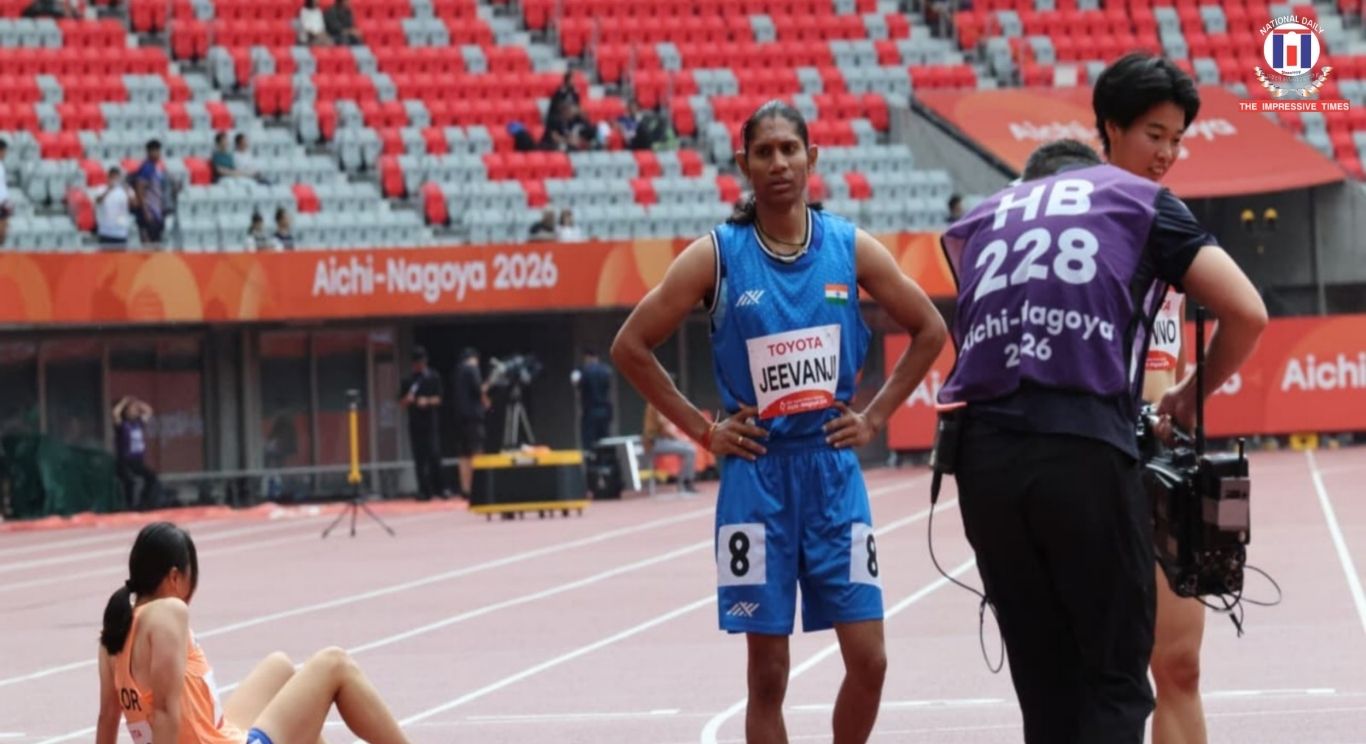
Speaking about sports development, Modi said the government has been working to integrate sports into everyday life and build a stronger national sports culture. He said the energy of young people becomes a national asset when they are healthy, disciplined, and confident.
He added that preparations should be strengthened for upcoming international sporting events, including the Commonwealth Games, by identifying and training young athletes early.
The prime minister said initiatives such as Khelo India have helped boost sporting infrastructure and create new opportunities for athletes across the country.
He also stressed the importance of developing tourism ecosystems with improved cleanliness, hospitality standards, and better infrastructure to attract visitors and support local economies.
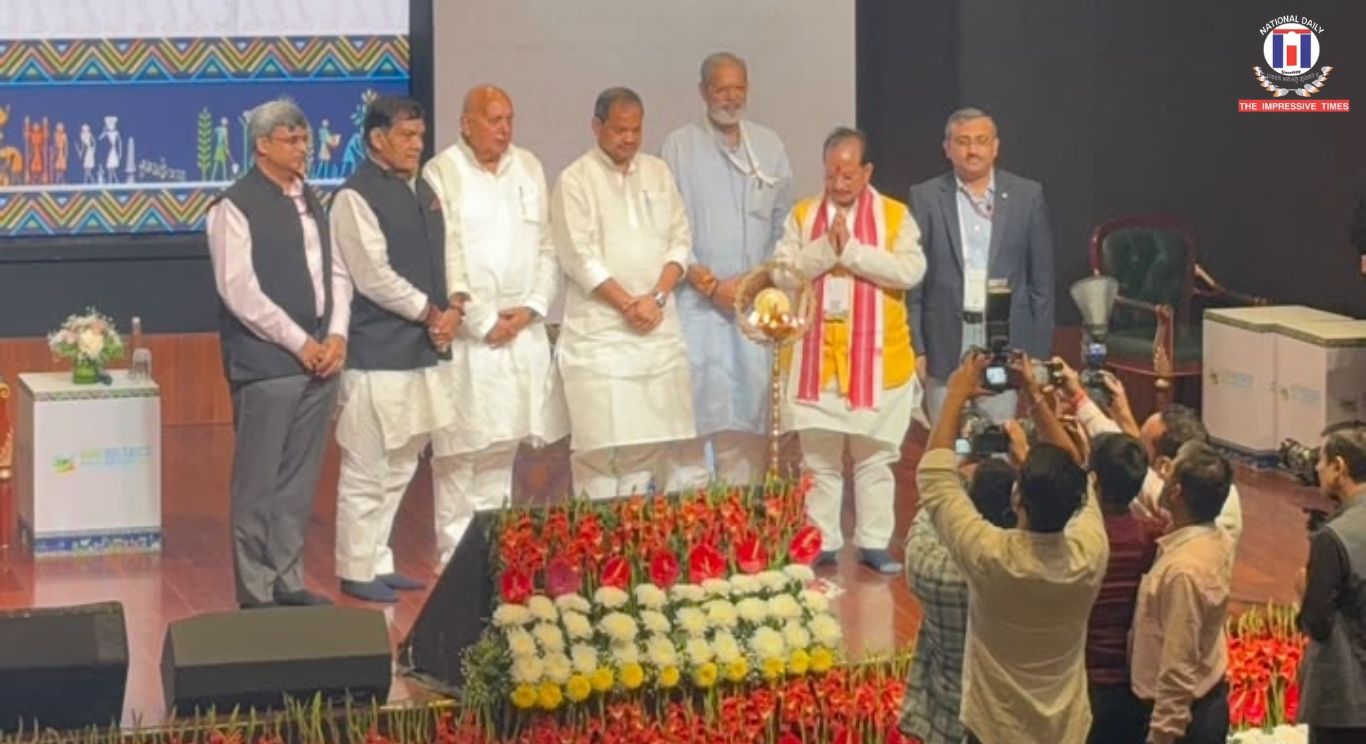
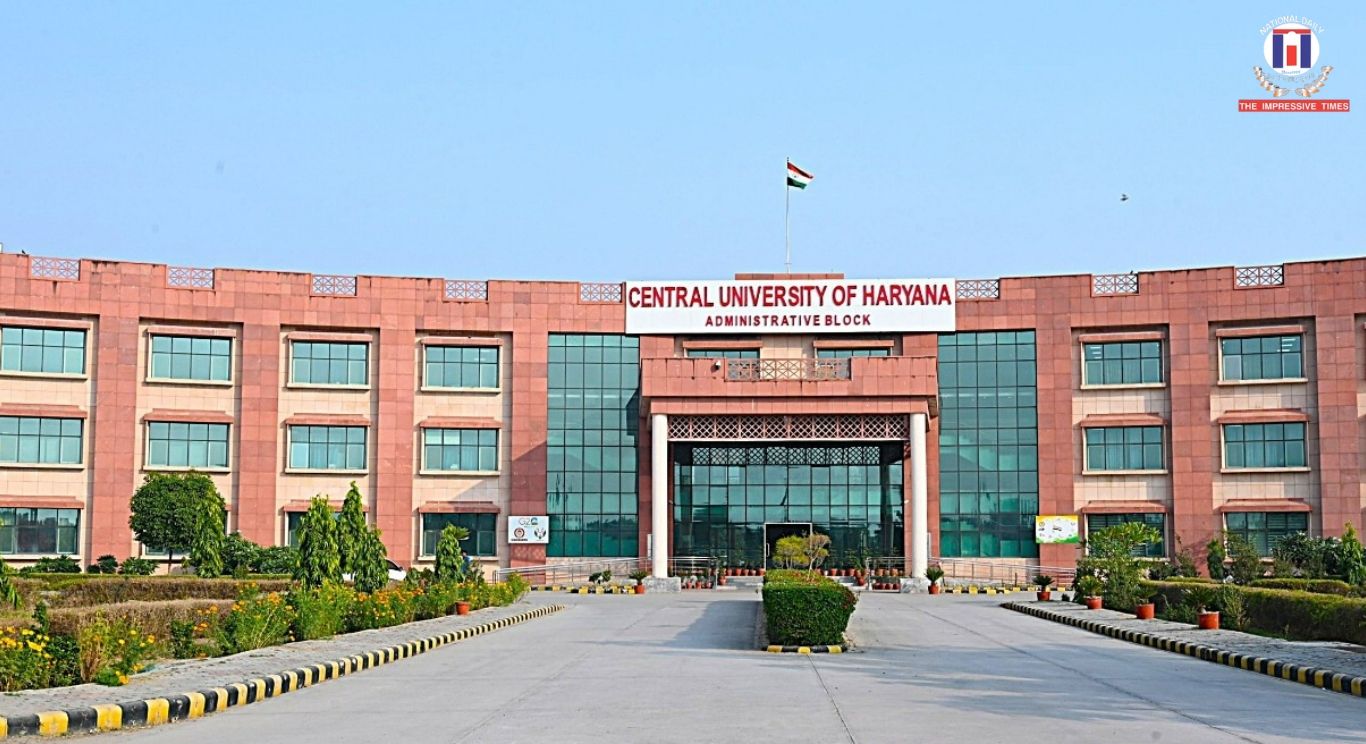
The webinar titled “Sabka Saath Sabka Vikas Fulfilling Aspirations of People Education Skills and University Townships” was organised by the Ministry of Information and Broadcasting along with the Department of Higher Education. The event brought together policymakers, industry representatives, academic leaders, startups, and students to discuss ways to implement the budget’s vision for strengthening India’s education, skills, and creative economy sectors.












No Comments: