Amit Shah Inaugurates Banas Dairy’s Bio-CNG & Fertilizer Plant; Lays Foundation of 150-Ton Powder Unit in Gujarat’s Vav-Tharad
He highlighted that nearly 250 chairpersons and managing directors from dairy cooperatives across India will visit Banaskantha in January to study this exceptional cooperative model.
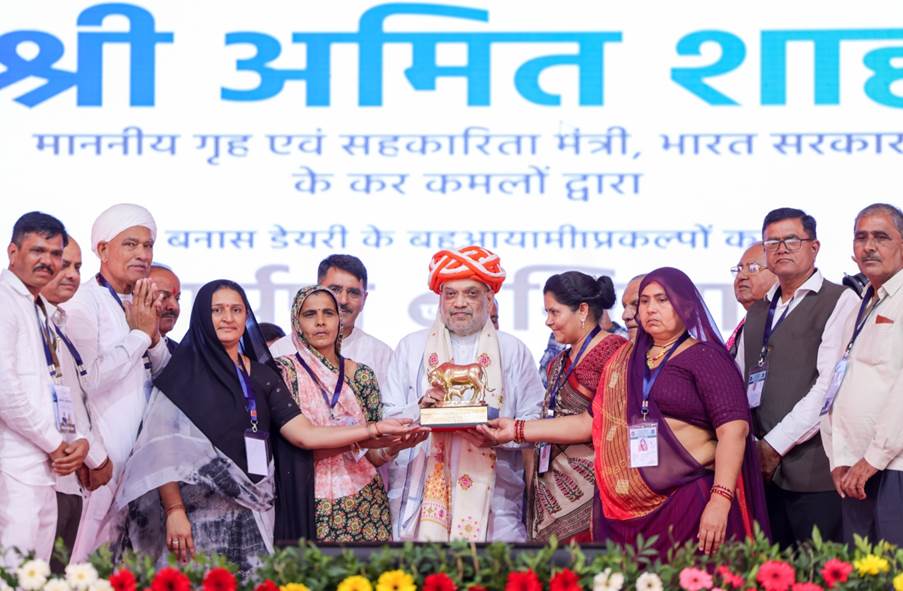
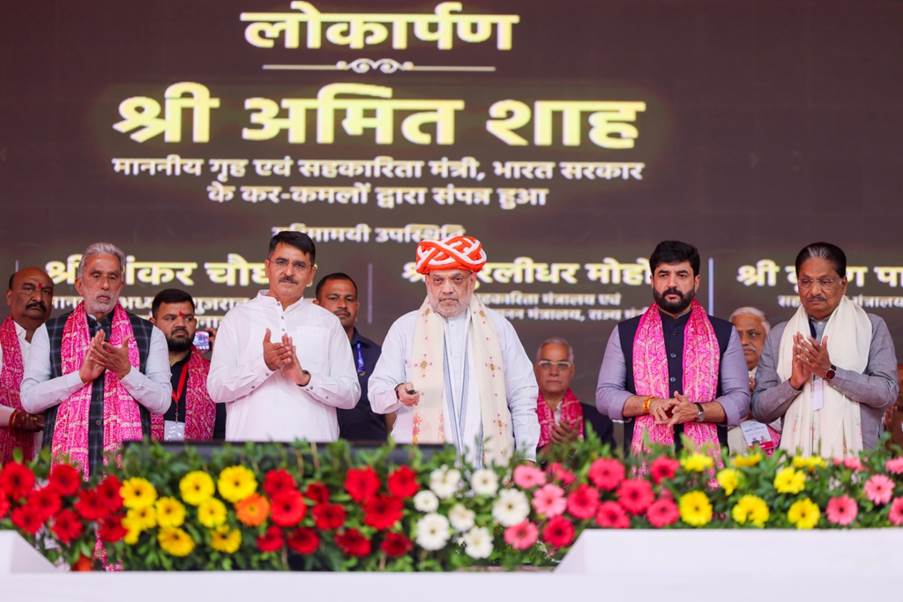
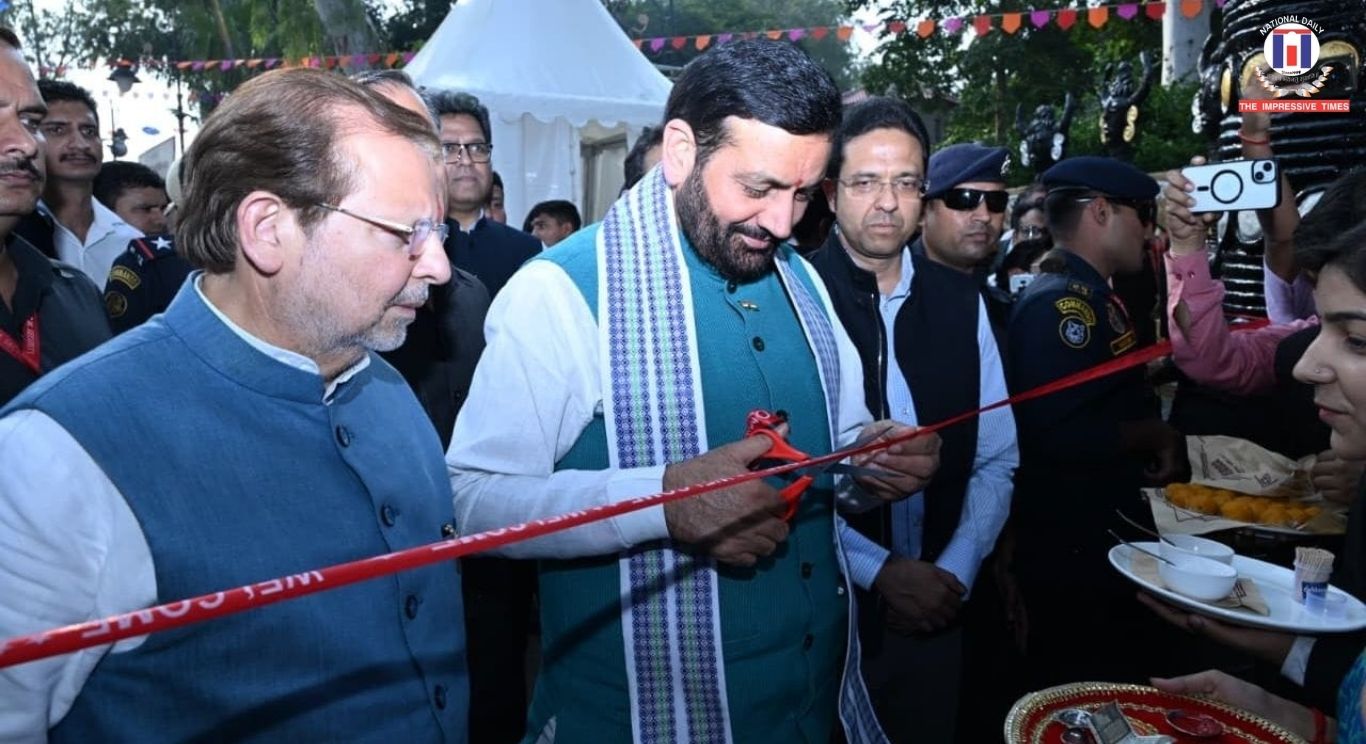
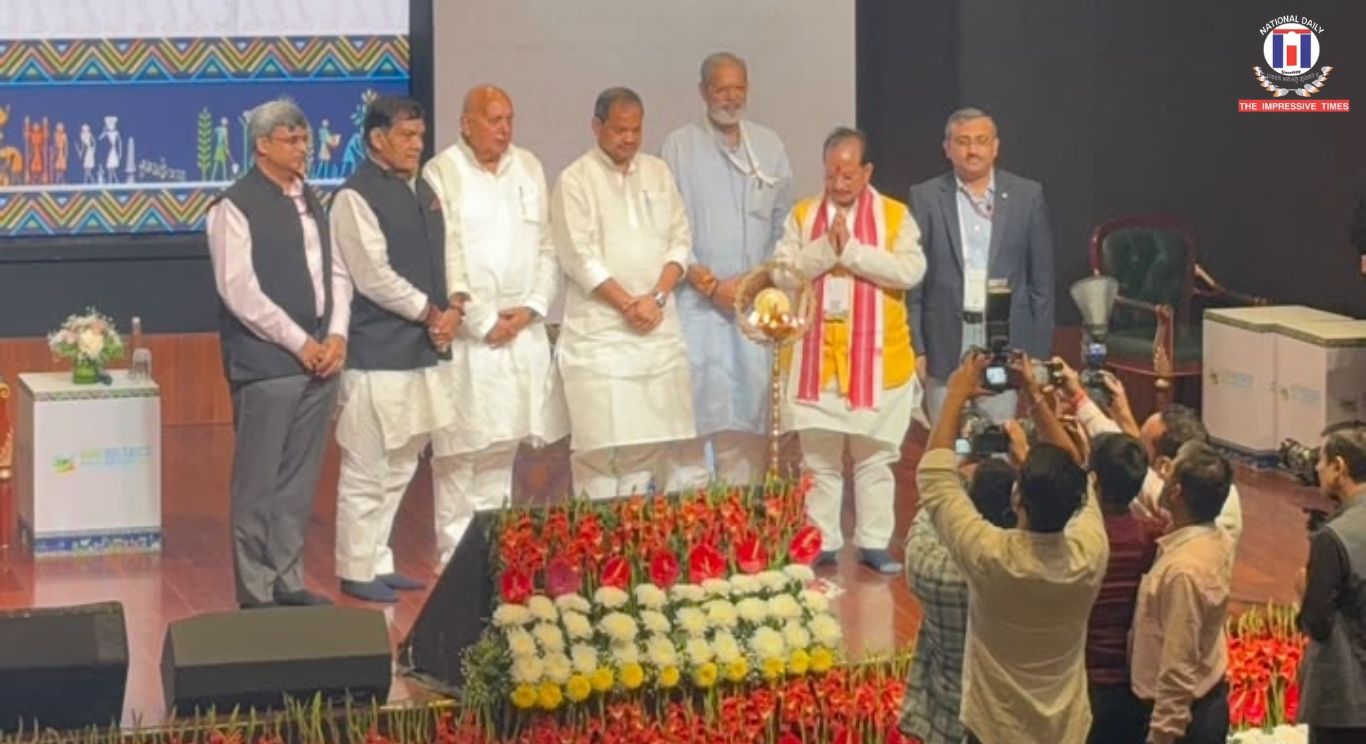
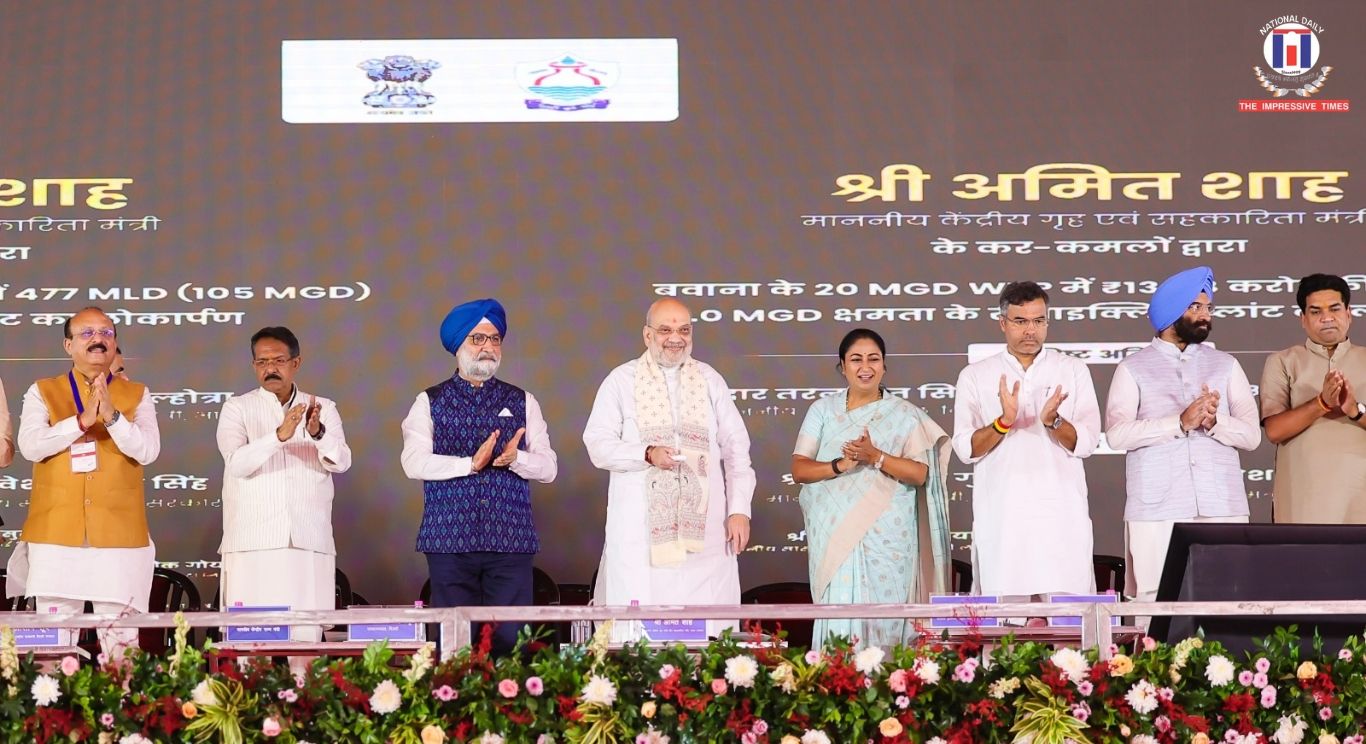
New Delhi :Union Home Minister and Minister of Cooperation Amit Shah on Friday inaugurated the newly constructed Bio-CNG and Fertilizer Plant established by Banas Dairy in the Vav-Tharad district of Gujarat. He also laid the foundation stone of a 150-ton milk powder plant during the ceremony, marking a major boost to the region’s cooperative and dairy development.
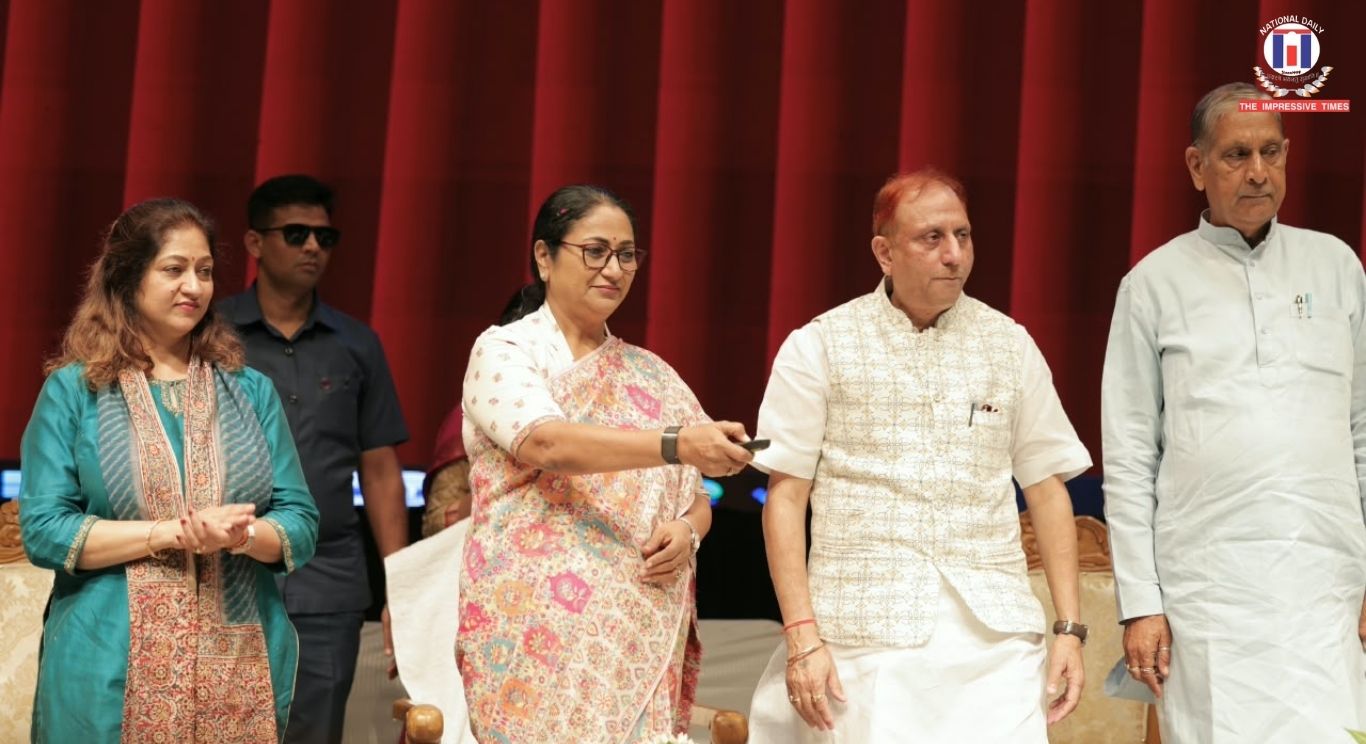
The event was attended by Gujarat Assembly Speaker Shankar Chaudhary, Union Ministers of State for Cooperation Krishan Pal Gurjar and Murlidhar Mohol, Union Cooperation Secretary Dr. Ashish Kumar Bhutani, and several other dignitaries.
Celebrating Banas Dairy’s Success Story
Addressing the gathering, Shri Amit Shah praised the remarkable growth of Banas Dairy, founded by Galbabhai Nanjibhai Patel, noting its rise to a turnover of ₹24,000 crore. He credited the women of Banaskantha for driving this monumental achievement, stating that their collective hard work has transformed the region’s dairy sector into one of Asia’s most successful models.
He highlighted that nearly 250 chairpersons and managing directors from dairy cooperatives across India will visit Banaskantha in January to study this exceptional cooperative model.
Water Revolution and Agricultural Transformation
Shah recalled the drought conditions of the 1980s, noting that farmers once struggled to grow even a single crop annually. He emphasized the transformative impact of Prime Minister Narendra Modi’s water initiatives, including the Sujalam-Sufalam scheme, which diverted surplus Narmada and Mahi waters to water-scarce regions.
The result, he said, is that today farmers in Banaskantha cultivate three crops a year, turning the region into an agricultural success story.
To ensure documentation of this transformation, Shah announced that two universities have been tasked with conducting comprehensive research on water conservation efforts in Banaskantha and Mehsana.
Women-Led Cooperative Revolution
One of the strongest highlights of his speech was the extraordinary contribution of women, responsible for the entire milk collection system. Their earnings are directly transferred to their bank accounts, making Banas Dairy a global example of effective grassroots women empowerment.
Towards a Complete Circular Dairy Economy
Amit Shah reiterated that Banas Dairy is now Asia’s largest milk-producing cooperative and is pioneering a circular economy model. He announced several initiatives:
-
Zero-waste dairy model: Cow and buffalo dung will be fully utilized to produce bio-gas, organic manure, and electricity.
-
High-value dairy products: India will move beyond traditional products like milk, paneer and ghee to manufacturing globally in-demand high-value products.
-
In-house production of animal feed: Cooperative dairies will produce their own feed, ensuring profits directly benefit women dairy members.
-
Bio-CNG expansion: The Bio-CNG tradition initiated by Banas Dairy will become a model for cooperatives nationwide.
Shah said these efforts will increase the income of livestock farmers by over 20%, even without increasing milk production levels.
Strengthening National Dairy Framework
The Minister highlighted the Government of India’s creation of six new national cooperatives, covering:
-
Seed production
-
Organic product marketing
-
Agricultural exports
-
Dairy product development
-
Animal feed
-
High-value dairy processing
This, he said, will complete the agricultural and dairy value chain and ensure farmers receive maximum profit.
White Revolution 2.0
Shah said that under Prime Minister Modi’s leadership, White Revolution 2.0 is being guided by four major pillars:
-
National Gokul Mission
-
Animal Husbandry Infrastructure Development Fund
-
Restructured National Dairy Plan
-
National Animal Disease Control Programme
He expressed confidence that these initiatives will usher in a new era of prosperity for dairy farmers across India.
Tribute to Dr. B.R. Ambedkar
On the occasion of Mahaparinirvan Diwas, Shri Amit Shah paid tribute to Dr. Bhimrao Ambedkar, acknowledging his pivotal role in formulating the Constitution, which ensures dignity and equality for Dalits, the poor, tribals, and backward classes.
He also mentioned that the day marks the conclusion of Gujarat’s grand padyatra in celebration of Sardar Vallabhbhai Patel’s 150th birth anniversary, noting that cooperative principles were central to Sardar Patel’s vision.




























No Comments: