ITBP and Department of Biotechnology Join Hands for Cutting-Edge Biomedical Research
MoU signed to advance joint R&D on high-altitude adaptability, frostbite treatment, and operational healthcare for paramilitary forces


 The Impressive Times
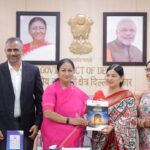
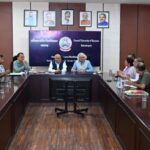
New Delhi- In a major initiative to strengthen biomedical innovation tailored to paramilitary needs, the Indo-Tibetan Border Police Force (ITBPF) and the Department of Biotechnology (DBT), Ministry of Science and Technology, signed a Memorandum of Understanding (MoU) to facilitate collaborative research and advanced training. The agreement was formalized at the ITBP Headquarters in New Delhi in the presence of DBT Secretary and ITBP Director General Rahul Rasgotra.
This strategic collaboration seeks to combine the operational medical expertise of ITBP—India’s elite high-altitude border guarding force—with DBT’s expansive research capabilities. The two entities will jointly undertake research projects that address critical scientific challenges relevant to personnel operating in extreme terrain and weather conditions. Key focus areas include human adaptation to high altitudes, biomedical device development, rapid wound healing, frostbite management, and food biotechnology.
Highlighting the national significance of the partnership, the DBT Secretary noted that the MoU provides a framework for impactful academic and translational research that aligns with the broader vision of “Viksit Bharat 2047.”
The DBT, through its Biotechnology Research and Innovation Council (BRIC), oversees a network of 13 top-tier research institutions, including the ICGEB and RCB, and brings state-of-the-art infrastructure and cross-disciplinary scientific expertise to the table.
Commenting on the development, ITBP DG Rahul Rasgotra emphasized the practical relevance of the partnership. “Our personnel operate in some of the most hostile terrains on the northern borders. This collaboration enables us to translate scientific knowledge into field-ready solutions, improving the health, resilience, and mission-readiness of our forces,” he said.
The MoU opens avenues for focused research initiatives, including a pilot study on human physiological adaptability at high altitudes. This study aims to stratify personnel based on their likelihood of acclimatizing to such conditions, thereby improving deployment efficiency and safety. Other targeted research areas will explore innovations in prosthetics, biosecurity solutions, and advanced nutrition for personnel stationed in remote and extreme conditions.
The initiative is expected to significantly boost India’s capability to develop force-specific biomedical technologies and improve the quality of life and operational endurance of its border security personnel. By fostering a collaborative ecosystem between security forces and the scientific community, the MoU represents a step forward in building a technologically empowered and secure India.
























No Comments: