Why “Early Dinner” Is Becoming a New Lifestyle Trend in Indian Cities
Early dinner is gaining attention among urban Indians as lifestyle habits shift towards better sleep, fitness, structured routines and wellness.


 The Impressive Times
New Delhi: For years, dinner in India’s major cities has often been a late-evening affair. Long commutes, office deadlines, social plans and food deliveries have pushed the final meal of the day well into the night for many urban households.
But a different dining habit is quietly gaining attention — eating dinner earlier.
For some young professionals and wellness-conscious consumers, finishing dinner by 7 or 8 pm is increasingly being seen not as an old-fashioned routine, but as a way to create a calmer evening and a more structured daily schedule.
The shift does not mean late-night eating is disappearing. In fact, India’s late-night food economy is expanding rapidly. But alongside it, early dining is emerging as another lifestyle choice, particularly among people who are paying closer attention to sleep, fitness and daily routines.
Why are people eating earlier?
One major reason is the growing interest in the relationship between meal timing, sleep and overall wellbeing.
Lifestyle conversations around circadian rhythms, metabolic health and sleep have made people more conscious of not eating a heavy meal immediately before going to bed.
An earlier dinner can also create a longer gap between the last meal and bedtime, which some people find more comfortable.
The idea received considerable attention in 2025, when dinner timing became part of wider public discussions about nutrition and metabolic health.
The new dinner clock
For many urban Indians, dinner traditionally happens around 9 pm or later.
But the emerging early-dinner routine can mean eating somewhere between 6:30 pm and 8 pm, depending on work schedules and personal routines.
For people working from home or following flexible schedules, an earlier dinner may be easier to manage.
The evening then becomes less about rushing through a meal before bed and more about creating a buffer between dinner and sleep.
Early dinner does not mean “diet culture”
One important change is that the trend is not necessarily about weight loss.
For some people, it is simply about feeling more comfortable at night, reducing late-night snacking or creating a predictable routine.
It can also be part of a broader lifestyle reset involving earlier mornings, regular exercise and better sleep habits.
The emphasis is increasingly on when people eat, rather than simply counting calories.
But India is also becoming a late-night food market
The early-dinner trend exists alongside an almost opposite development.
Swiggy’s 2025 “How India Eats” report found that late-night meals were growing three times faster than regular dinner orders.
The trend continued into 2026. The Economic Times reported in June that late-night food delivery had surged, with orders between 11 pm and 3 am rising as changing work and sleep schedules influenced young consumers.
Swiggy subsequently launched its Late Night Eats programme in July 2026, covering more than 4,000 office locations and 30,000 restaurants across 30 Indian cities, specifically catering to people working late hours.
So India’s dining culture is not moving in just one direction.
Instead, people are increasingly eating according to their individual schedules.
Young professionals are changing the equation
For a young professional working a conventional 9-to-5 job, an early dinner may be relatively easy.
The situation is very different for someone working night shifts, in hospitality, healthcare, technology support or global operations.
India’s increasingly flexible and round-the-clock work culture means there is no longer one universal dinner hour.
That is why early dinner is better understood as a lifestyle choice for certain groups, rather than a nationwide replacement for late-night meals.
Restaurants are adapting to changing dining habits
Indian restaurants are also responding to changing consumer expectations.
Dining out is increasingly becoming an experience rather than simply a meal, with consumers looking for ambience, personalisation and social experiences.
Some newer dining concepts are even experimenting with early-evening formats.
A recent example from Mumbai is the growing interest in aperitivo-style dining, where restaurants combine early-evening food and drinks with a more relaxed social atmosphere.
This could make early dinner more attractive to urban consumers who want to socialise without staying out until midnight.
Earlier dinner can also mean a different kind of evening
For people who adopt the habit, the biggest attraction may not actually be the meal itself.
Finishing dinner earlier leaves more time for the rest of the evening.
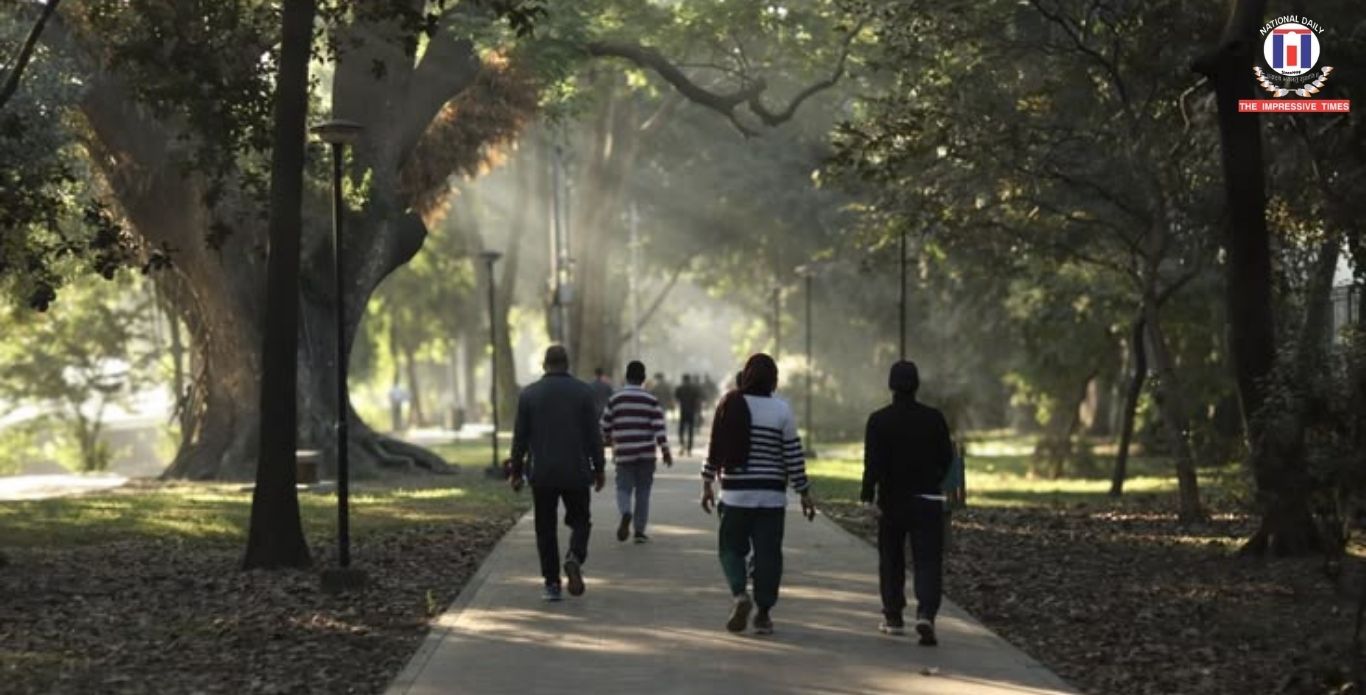
That could mean taking a walk, reading, spending time with family, watching a film or simply going to bed earlier.
For someone trying to establish a consistent sleep schedule, moving dinner forward can become one small part of a larger evening routine.
Is early dinner right for everyone?
Not necessarily.
Meal timing depends on a person’s work schedule, health, exercise routine, cultural habits and individual preferences.
Someone who works a night shift cannot realistically follow the same dinner schedule as someone working from home during the day.
There is also no universal “perfect” dinner time for everyone.
The broader lesson is that people are becoming more conscious of how their eating schedule fits into the rest of their lifestyle.
From “What are you eating?” to “When are you eating?”
For decades, conversations about food have largely focused on what people should eat.
The latest lifestyle discussion is adding another question: when?
In India’s cities, where dinner can range from an early family meal to a midnight food delivery, the answer is becoming increasingly personal.
Early dinner may never replace India’s late-night food culture — and the latest delivery numbers suggest it certainly has not.
But for a growing group of urban consumers, an earlier meal represents something else: a quieter evening, a more predictable routine and a deliberate attempt to make everyday life feel a little less rushed.
The new dining trend may therefore not be about eating early or eating late. It may simply be about choosing a meal time that works better for the life you actually live.





























No Comments: