Sustainable Fashion Gains Ground as Clothing Rental Moves Beyond a Niche Trend
Rising fashion costs, growing environmental awareness and changing consumer habits are encouraging more people to rent outfits instead of buying them.

 The Impressive Times
TIT Correspondent
info@impressivetimes.com
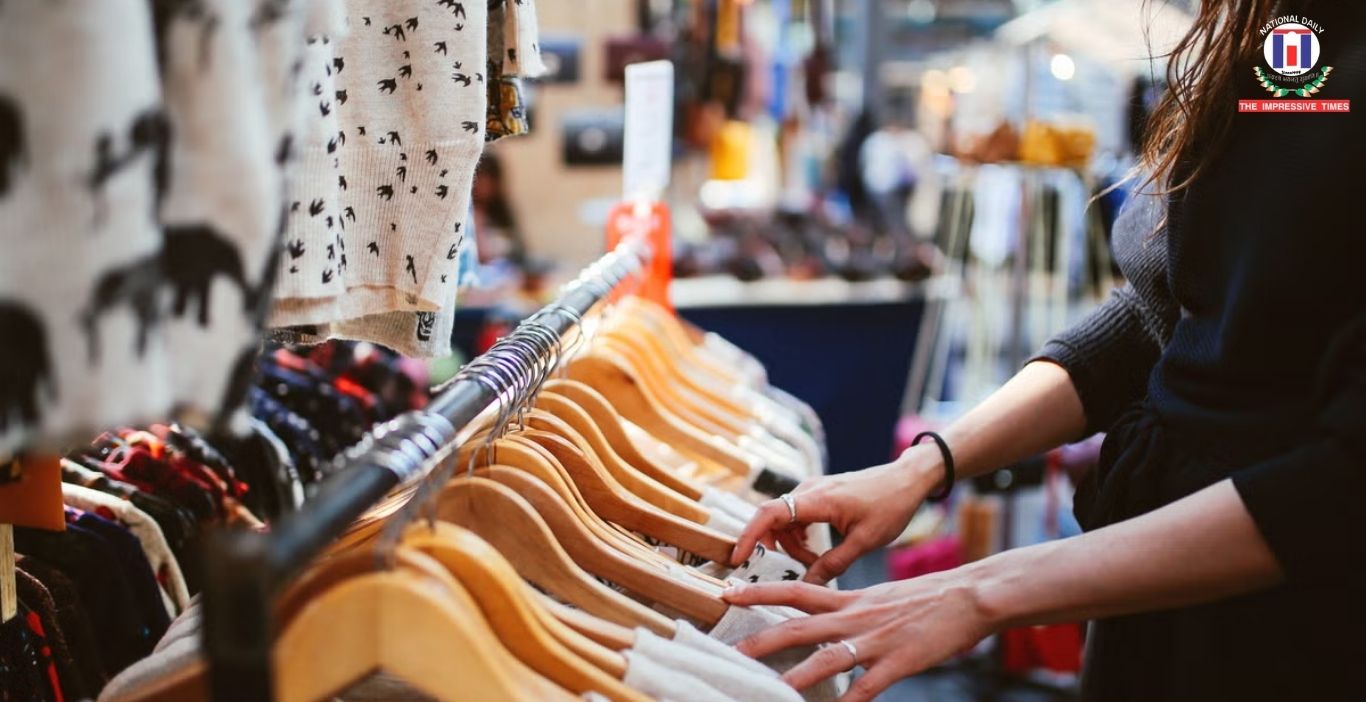
Sustainable fashion clothing rental is rapidly gaining popularity as more consumers choose to rent outfits instead of buying new ones. Rising environmental concerns, increasing clothing costs and changing shopping habits are encouraging people to embrace rental fashion for both special occasions and everyday wear.
The fashion industry is one of the world‘s largest consumers of natural resources, and concerns over textile waste have prompted many shoppers to reconsider frequent purchases. Renting garments allows consumers to wear new styles without adding permanently to their wardrobes, reducing the demand for fast fashion and encouraging longer use of existing clothing.
Industry observers say younger consumers, particularly Gen Z and millennials, are driving this change. Instead of purchasing outfits for one-time occasions, many now prefer renting premium brands for celebrations, vacations, corporate events and social gatherings. The growing popularity of social media has also contributed to the trend, as people seek fresh looks without making repeated expensive purchases.
Rental platforms are responding by expanding their collections, improving delivery services and offering subscription-based plans that allow customers to rotate outfits regularly. Some companies have also introduced professional cleaning, repairs and quality checks to ensure garments remain in good condition after multiple uses.
Experts note that clothing rental can help reduce unnecessary consumption, but its overall environmental impact depends on several factors. Frequent transportation, excessive packaging and energy-intensive cleaning processes can reduce some of the sustainability benefits if not managed responsibly. Businesses are therefore investing in eco-friendly packaging, efficient logistics and environmentally conscious laundering methods.
Luxury fashion brands are also beginning to explore rental partnerships as consumers increasingly prioritise affordability, convenience and responsible consumption. Analysts believe the model is gradually becoming part of the broader circular economy, where products are reused, repaired and shared instead of being discarded after limited use.
While buying new clothes remains the preferred choice for many shoppers, the growing acceptance of rental fashion suggests that ownership is no longer the only way to enjoy changing trends. As sustainability becomes a bigger priority, clothing rental is expected to play an increasingly important role in the future of the fashion industry.




































No Comments: