Why Young Professionals Are Choosing Matcha Over Coffee
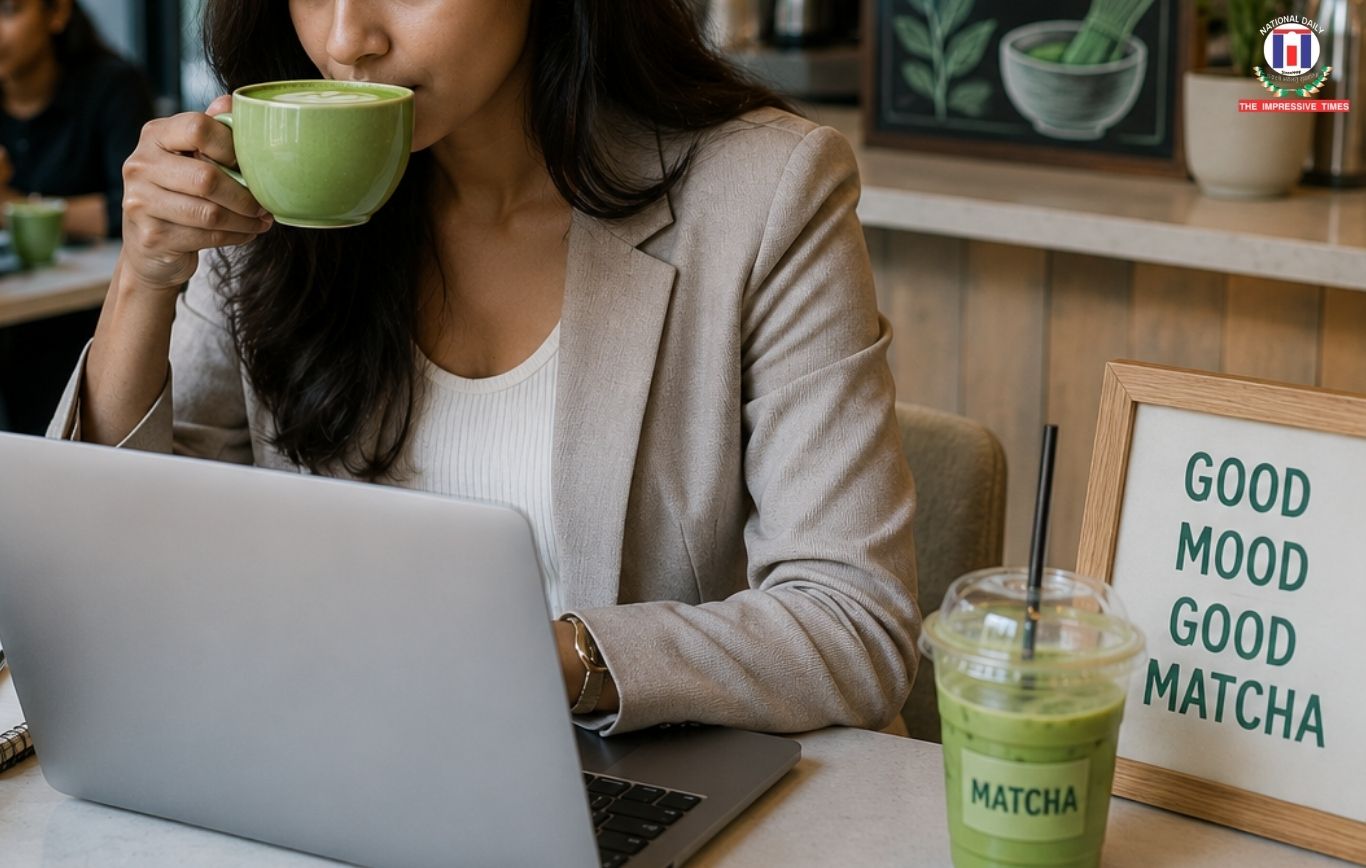
As young professionals embrace new beverage habits, matcha is evolving from a specialty drink into a lifestyle trend that is reshaping modern cafe culture.

 The Impressive Times
TIT Correspondent
info@impressivetimes.com
New Delhi, May 24, 2026: Matcha, the finely ground green tea powder traditionally associated with Japanese tea ceremonies, is rapidly gaining popularity among young professionals, emerging as a strong competitor to coffee in cafes, workplaces, and social media feeds. From matcha lattes and iced beverages to desserts and wellness drinks, the vibrant green ingredient is becoming a preferred choice for a generation seeking both health benefits and lifestyle appeal.
Over the past year, cafes across major cities have expanded their matcha-based menus to meet growing consumer demand. What was once considered a niche beverage has now become a mainstream offering, with specialty cafes introducing a variety of matcha drinks aimed at health-conscious customers.
Industry observers note that young professionals are increasingly experimenting with alternatives to traditional coffee, contributing to matcha’s rapid growth in the food and beverage sector.
One of the primary reasons behind matcha’s popularity is its perceived health benefits. Rich in antioxidants and naturally containing caffeine, matcha is often promoted as providing a more balanced and sustained energy boost compared to coffee.
Many consumers report that matcha offers alertness without the sudden spikes and crashes commonly associated with highly caffeinated beverages. As wellness and self-care become central lifestyle priorities, beverages linked to health benefits are attracting greater attention.
The visual appeal of matcha has played a significant role in its growing popularity. Its distinctive green color makes it highly shareable on social media platforms, where users frequently post aesthetically styled photos and videos of matcha drinks.
Lifestyle influencers, fitness enthusiasts, and content creators have further accelerated the trend by showcasing matcha as part of healthy morning routines, productivity-focused workdays, and wellness-oriented lifestyles.
For many young professionals, choosing matcha is about more than just taste. It reflects a broader shift toward intentional consumption and healthier daily habits.
Nutrition experts suggest that younger consumers are increasingly looking for beverages that align with their wellness goals while also fitting into busy work schedules. Matcha’s association with mindfulness and balance has helped position it as an attractive alternative to traditional coffee culture.
Recognizing changing preferences, cafes and beverage brands are introducing innovative matcha-based products, including flavored lattes, cold brews, smoothies, and seasonal specials. Premium matcha varieties and artisanal preparations are also becoming more accessible to urban consumers.
Market analysts believe the trend presents significant growth opportunities for businesses catering to health-conscious and experience-driven customers.
While coffee continues to dominate global beverage consumption, matcha’s expanding presence suggests that consumers are increasingly open to alternatives. Rather than completely replacing coffee, matcha is carving out its own space among those seeking variety, wellness benefits, and new lifestyle experiences.
Experts expect demand for matcha products to continue rising as awareness grows and more consumers explore plant-based and functional beverages.









































No Comments: