Oil Markets on Edge as Iran-Israel-US War Deepens Across Gulf Region
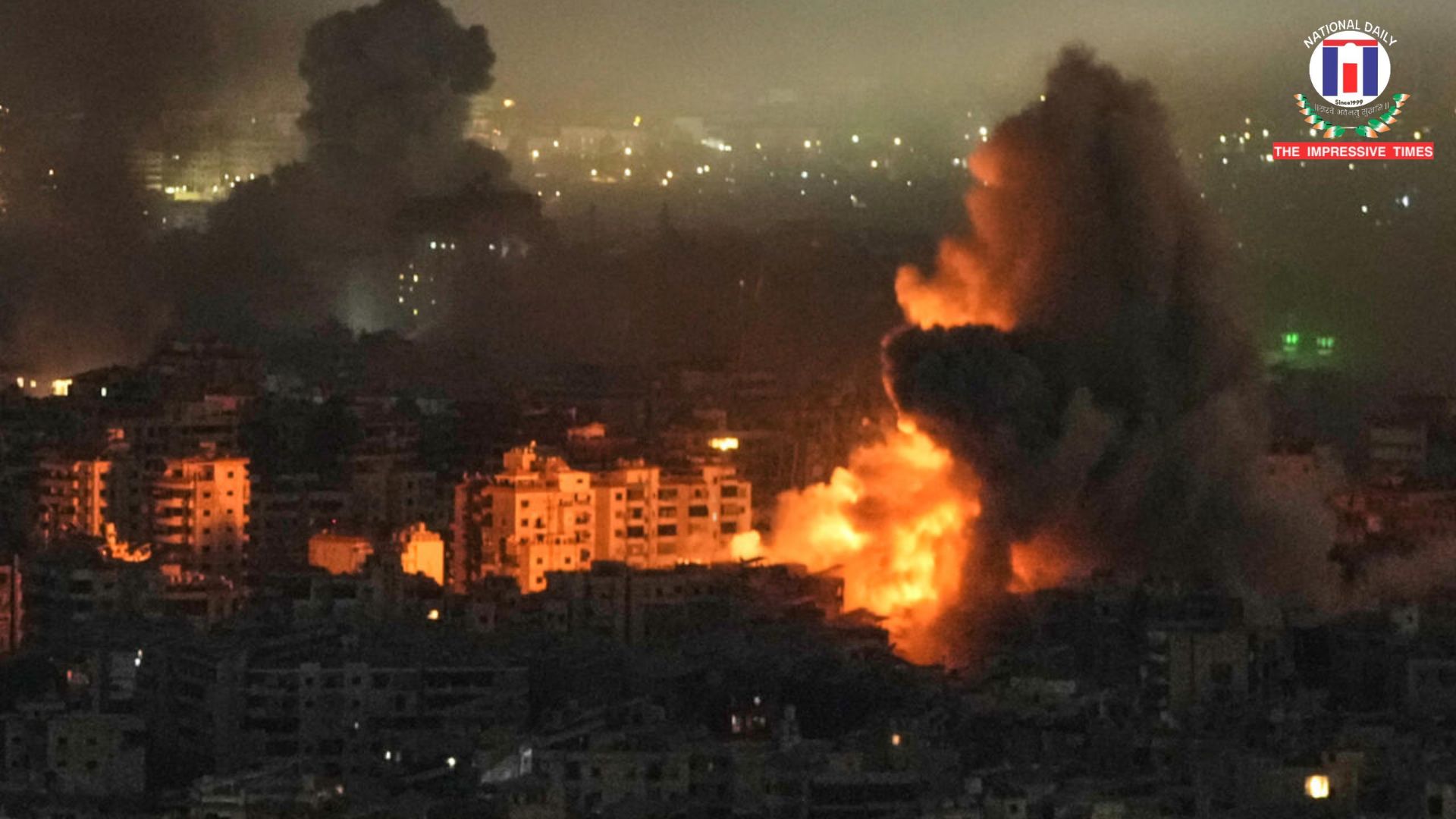
Tensions rise in the Middle East as clashes between Israel, Iran, and the United States escalate. Hezbollah claims missile strike near Tel Aviv amid attacks on military sites and threats to global oil routes.
Middle East: The ongoing conflict involving the Iran, Israel, and the United States continues to intensify, raising global concerns over regional stability and energy security.
The crisis began on February 28 when US and Israeli forces carried out coordinated airstrikes in Iran that reportedly killed Iran’s Supreme Leader Ali Khamenei, triggering retaliatory attacks from Tehran. Since then, Iran has launched multiple missile and drone strikes targeting Israeli positions and maritime routes near the Strait of Hormuz, a vital passage for global oil supply.
On Sunday, the Iran-backed group Hezbollah claimed it fired an advanced missile at Israel’s Palmachim Airbase, located south of Tel Aviv. The group also said it carried out several attacks on Israeli military sites near the Lebanese border.
Meanwhile, the Islamic Revolutionary Guard Corps claimed its missiles struck the US aircraft carrier USS Abraham Lincoln, though Washington denied the report and said the ship remains operational.
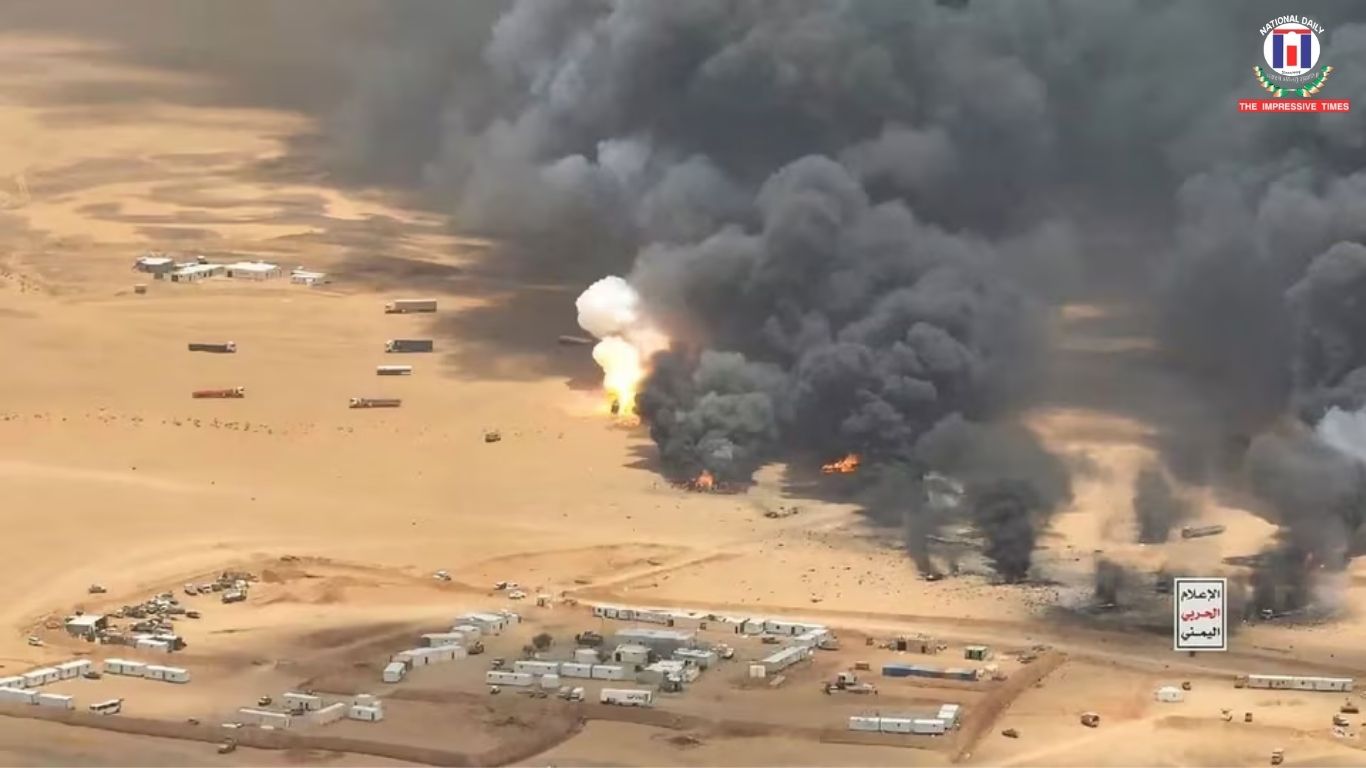
The conflict has also affected the wider Gulf region, with drone interceptions reported in Saudi Arabia and a suspected attack near oil facilities in the United Arab Emirates. Rising tensions have already disrupted oil shipments and pushed global energy prices higher.
Experts warn that if the conflict expands further, it could threaten global trade routes and significantly impact the world economy.













































No Comments: