“Our Reforms Will Play a Decisive Role in Reducing Pollution”: Delhi CM Rekha Gupta
CM Lays Foundation Stone for Tehkhand Automated Testing Station; Flags Off 50 New E-Buses as Delhi Doubles Its Vehicle Fitness Testing Capacity


 The Impressive Times
New Delhi: In a decisive push to combat Delhi’s worsening air pollution, Chief Minister Rekha Gupta on Friday laid the foundation stone for a fully automated, technology-driven second Automated Testing Station (ATS) at the DTC Tehkhand Depot in South Delhi and flagged off 50 modern electric buses.
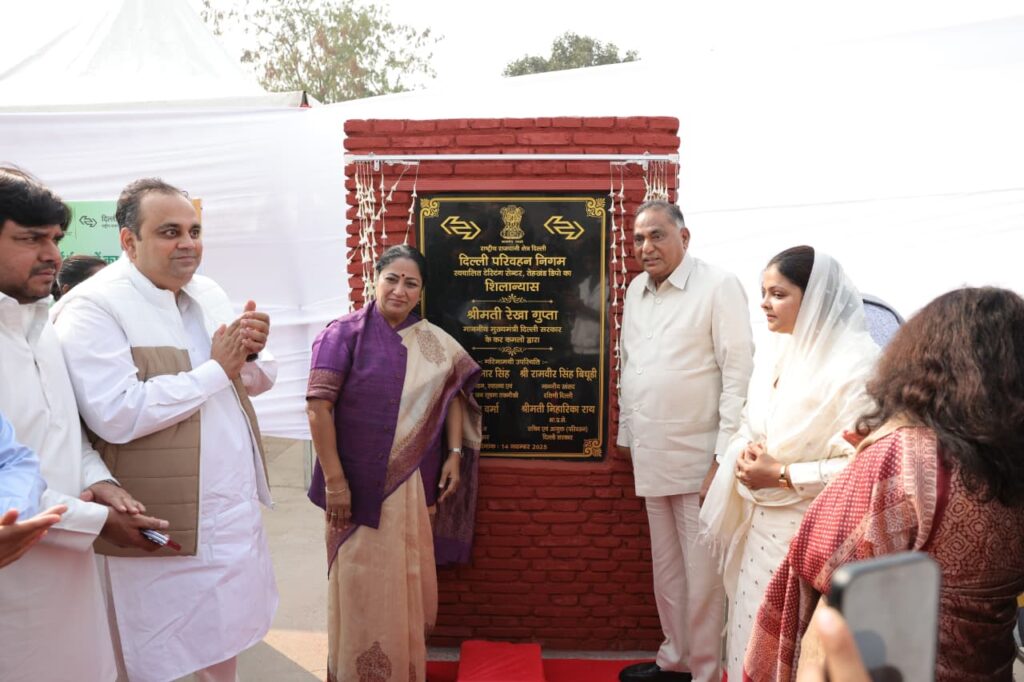
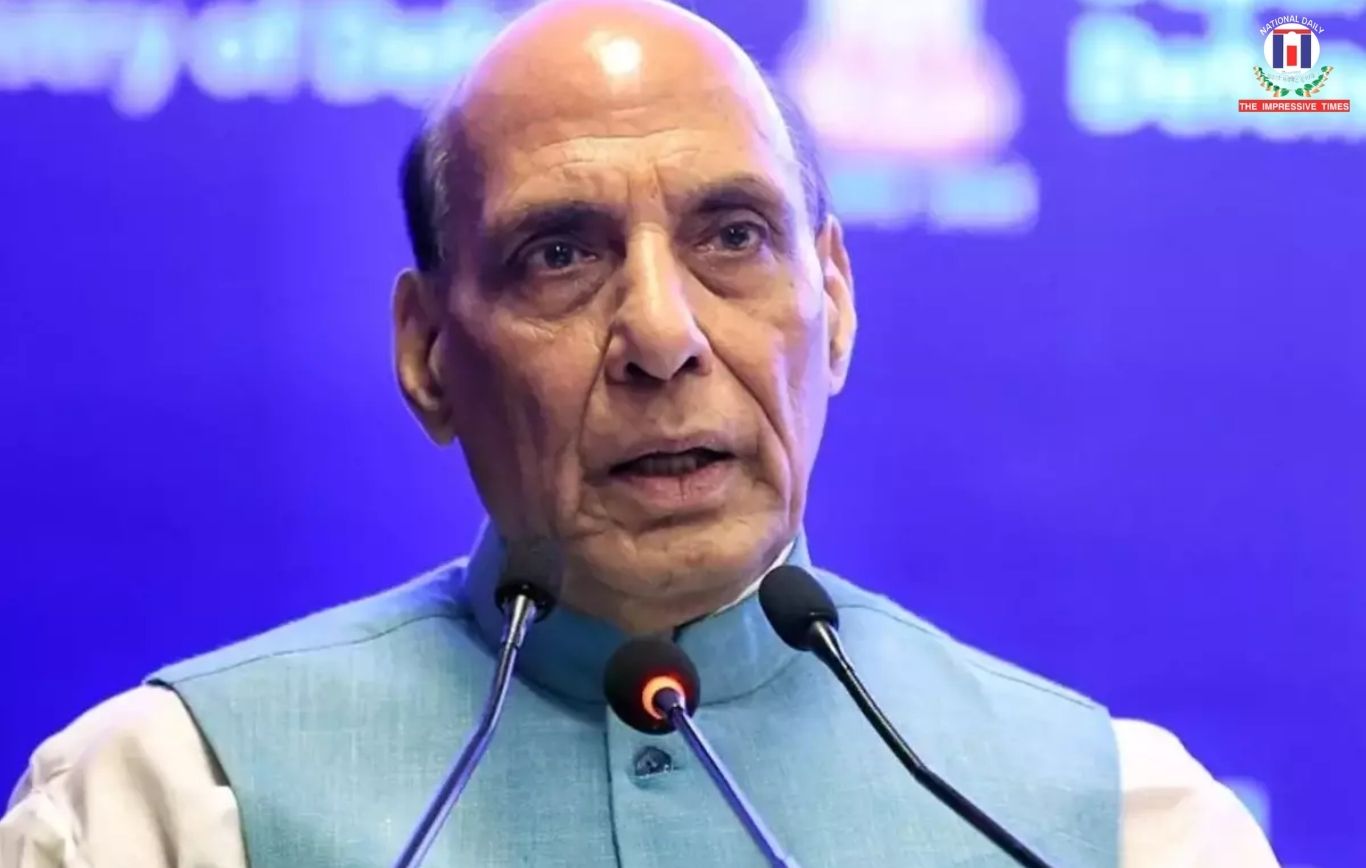
The Chief Minister said that her government’s sustained reforms over the past eight months have already begun transforming the capital’s transport system and will “play a decisive role in reducing pollution” by eliminating outdated testing practices and expanding clean public transport options. Addressing the gathering, CM Rekha Gupta said the Delhi Government has taken “historic steps” to modernise and digitise vehicle fitness testing, a sector that had been neglected for decades. She noted that vehicular emissions remain one of the largest contributors to the city’s pollution crisis and that commercial vehicles, in particular, require strict, technology-based scrutiny.
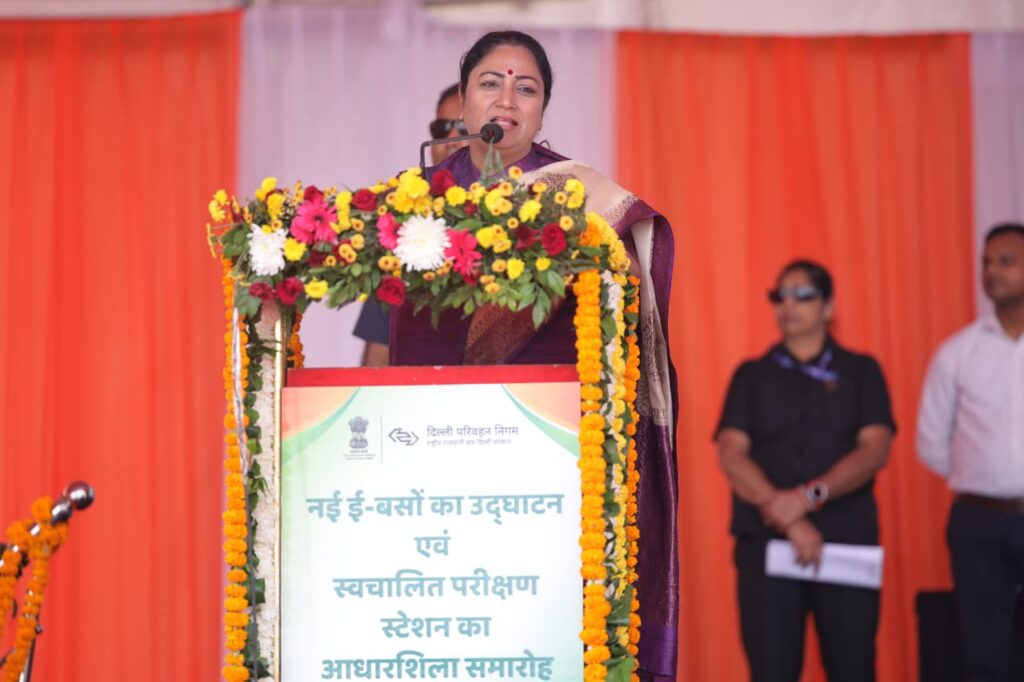
Highlighting her government’s broader anti-pollution agenda, she said Delhi has entered a phase of transparent, corruption-free, automated testing systems that will significantly reduce human interference, delays, and manipulation issues that had weakened the earlier system.
The newly announced ATS at Tehkhand is the second fully digital facility being constructed under the government’s overhaul of vehicle fitness testing. The Chief Minister recalled that the first ATS at Nand Nagri, whose foundation stone she laid in July 2025, is already nearing completion and has been designed to test around 72,000 vehicles annually. She said that the Tehkhand facility, also with an annual capacity of 72,000 vehicles including 20,000 two-wheelers, marks a major expansion in the city’s infrastructure and doubles the previous testing capacity. With Delhi’s existing fleet of over 1.53 crore registered vehicles, including nearly 6.5 lakh commercial vehicles requiring mandatory annual fitness certificates, she emphasised that new ATS facilities are no longer optional but essential. CM Gupta criticised the state of the system inherited by her administration, pointing out that for decades Delhi had only one operational automated testing centre at Jhuljhuli with a capacity of just 47,919 vehicles per year.
This forced lakhs of transporters to travel to NCR towns to get their vehicles certified, creating inconvenience, delays, and inefficiencies. She said the capital’s transport arrangements had been left in “deep disarray” by previous governments but assured that these shortcomings are now being systematically corrected through a transparent and modern testing framework. According to officials, the new Tehkhand ATS is being constructed at an estimated cost of Rs.10 crore under the Government of India’s SASCI scheme for capital investment. The International Centre for Automotive Technology (ICAT), a Government of India agency, has been appointed as the technical consultant for the project to ensure that the facility meets national standards. Civil construction is already underway and tenders for the procurement of advanced testing machinery have been prepared. The centre, housed in a 40m by 26m pre-engineered structure with dedicated panel rooms, office spaces, sanitation facilities, and support areas, will conduct fully digital tests such as emission analysis, roller brake examination, front and rear suspension evaluation, underbody inspection and headlight alignment. Officials estimate that the facility is expected to generate around Rs.3 crore annually for the Delhi Transport Corporation once operational.
The Chief Minister also announced that the upgrading of the older Burari and Jhundpura centres with modern digital equipment is progressing swiftly. Once these are fully automated, Delhi will have the capacity to conduct more than one lakh vehicle fitness tests annually, bringing the city on par with global standards for emission control and transparent vehicle testing.
She said these reforms are a “cornerstone” of her government’s larger strategy to curb pollution, which also includes accelerated electric bus deployment, expansion of metro connectivity, enforcement against polluting vehicles, upgraded depot infrastructure, and the expansion of the city’s EV charging ecosystem.
CM Gupta also flagged off 50 new electric buses including 30 twelve-metre buses and 20 nine-metre low-floor air-conditioned buses equipped with CCTV cameras, GPS systems, panic buttons and accessibility features for differently-abled passengers.
Stressing the government’s rapid progress, she said the previous administration had added only 2,000 electric buses in 11 years, whereas her government has inducted 1,350 electric buses in just eight months. She added that interstate bus services and university special buses, which had been discontinued earlier, have now been restored to improve accessibility and convenience for commuters.
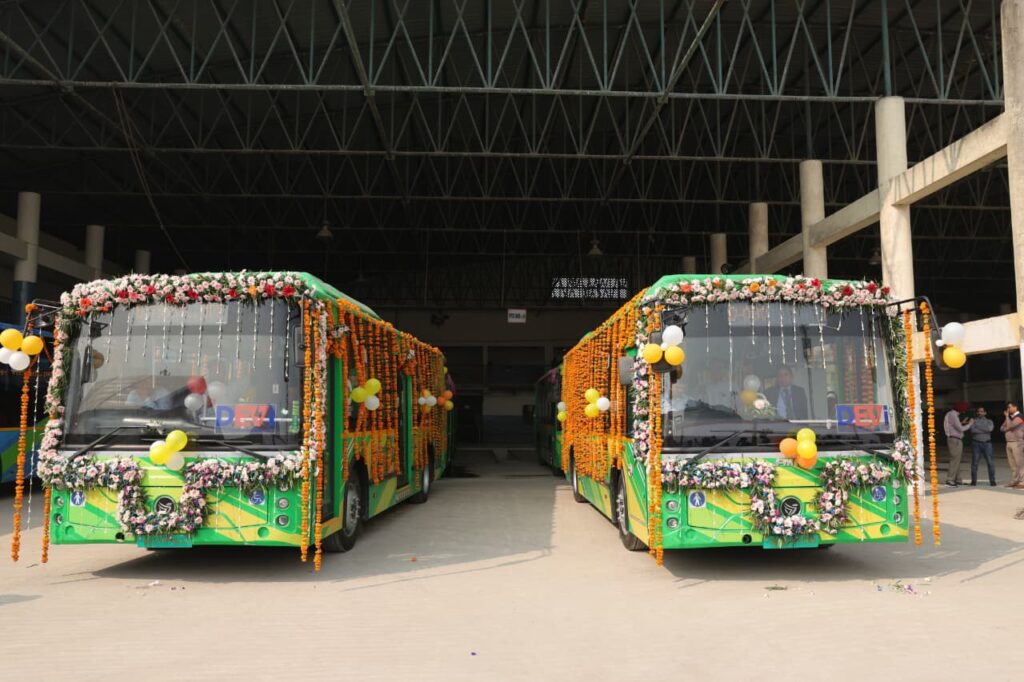
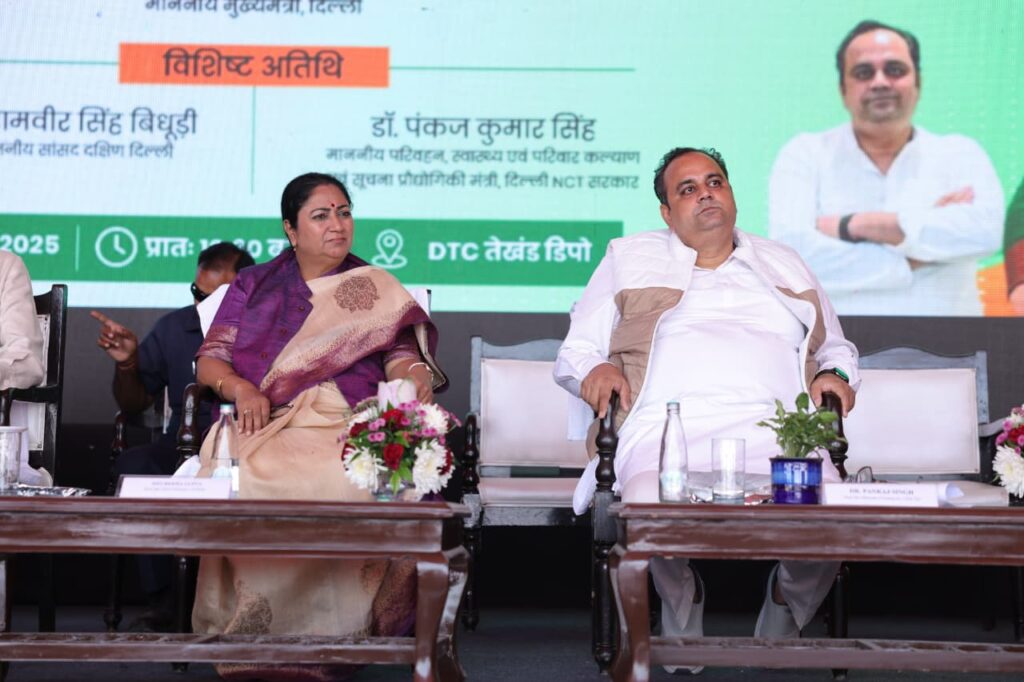
Transport Minister Dr Pankaj Kumar Singh said the new Tehkhand facility will deliver transparent and reliable fitness certification through zero human intervention and 100 percent digital efficiency.
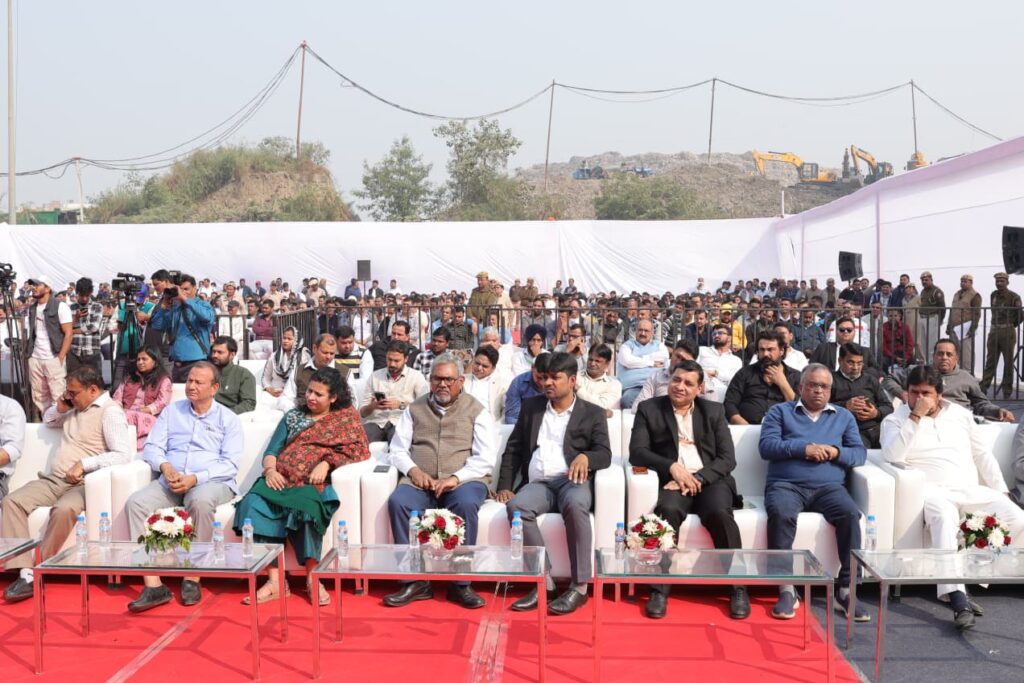
He said such facilities are crucial not only for pollution control but also for enhancing commuter safety. MP Ramvir Singh Bidhuri, Councillor Sugandha Bidhuri and senior officials also attended the event and praised the government’s aggressive approach to pollution reduction. Asserting that the fight against pollution requires continuous, long-term efforts, CM Rekha Gupta said her government remains fully committed to building a cleaner, safer and more modern Delhi. She said that despite the challenges, work will continue “without pause” to strengthen the capital’s transport network and environmental health, adding that every step from automated testing stations to new e-buses is a step toward a greener and more livable city.



















No Comments: