
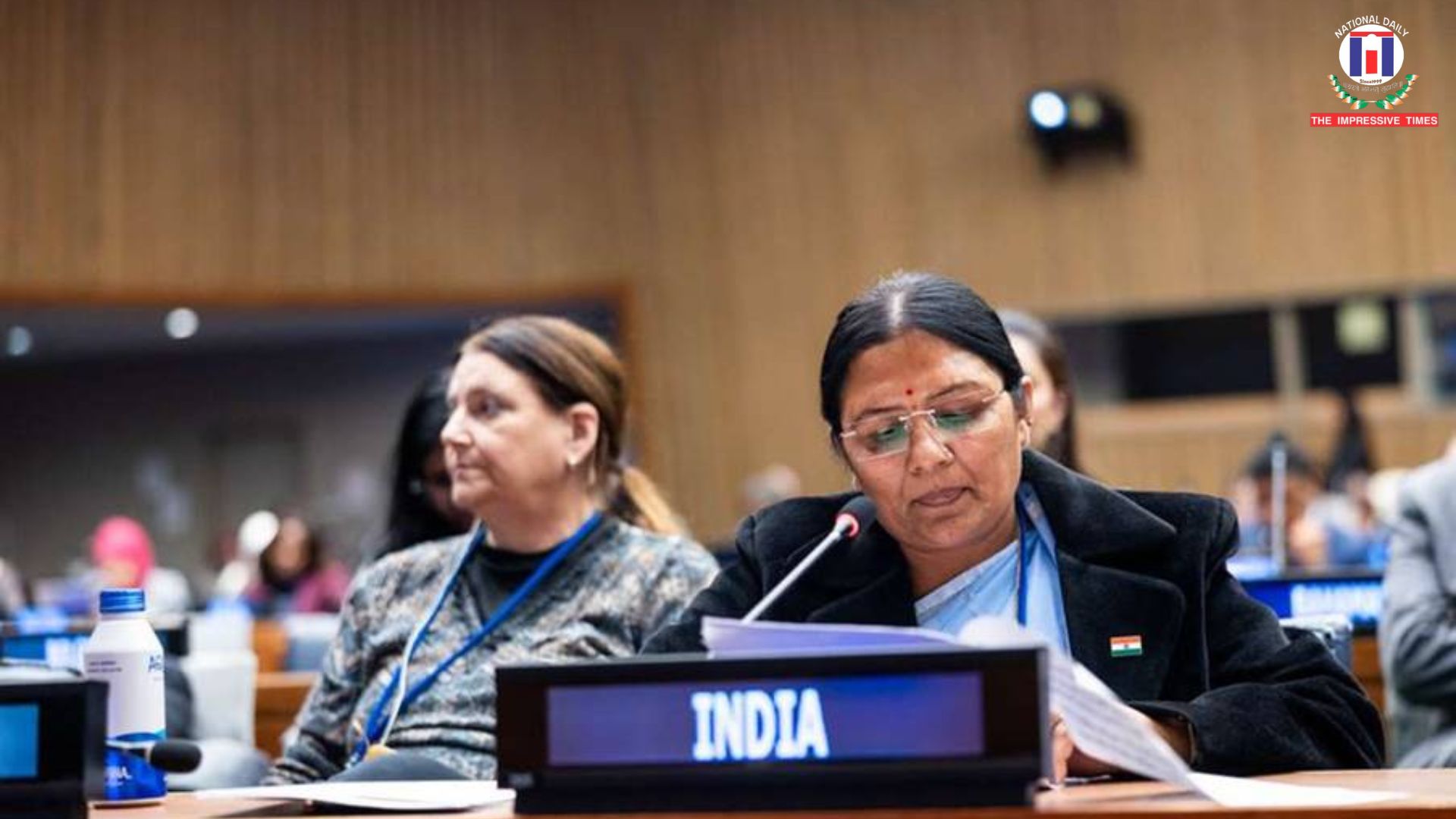

New York: India strongly articulated its vision of inclusive and rights-based social progress at the 64th Session of the United Nations Commission for Social Development (CSocD) held at UN Headquarters in New York. Leading the Indian delegation, Minister of State for Women and Child Development, Savitri Thakur, delivered the country’s national statement, underlining India’s long-term development roadmap anchored in equity, constitutional values, and social justice.
Addressing the session, the Minister said India’s approach to social development is firmly guided by the principle of “Sabka Saath, Sabka Vikas”, which integrates both government-wide and society-wide participation to ensure that development reaches every citizen without exclusion. She linked India’s social protection framework with the national vision of “Viksit Bharat 2047”, emphasising that progress must be inclusive, sustainable, and people-centric.
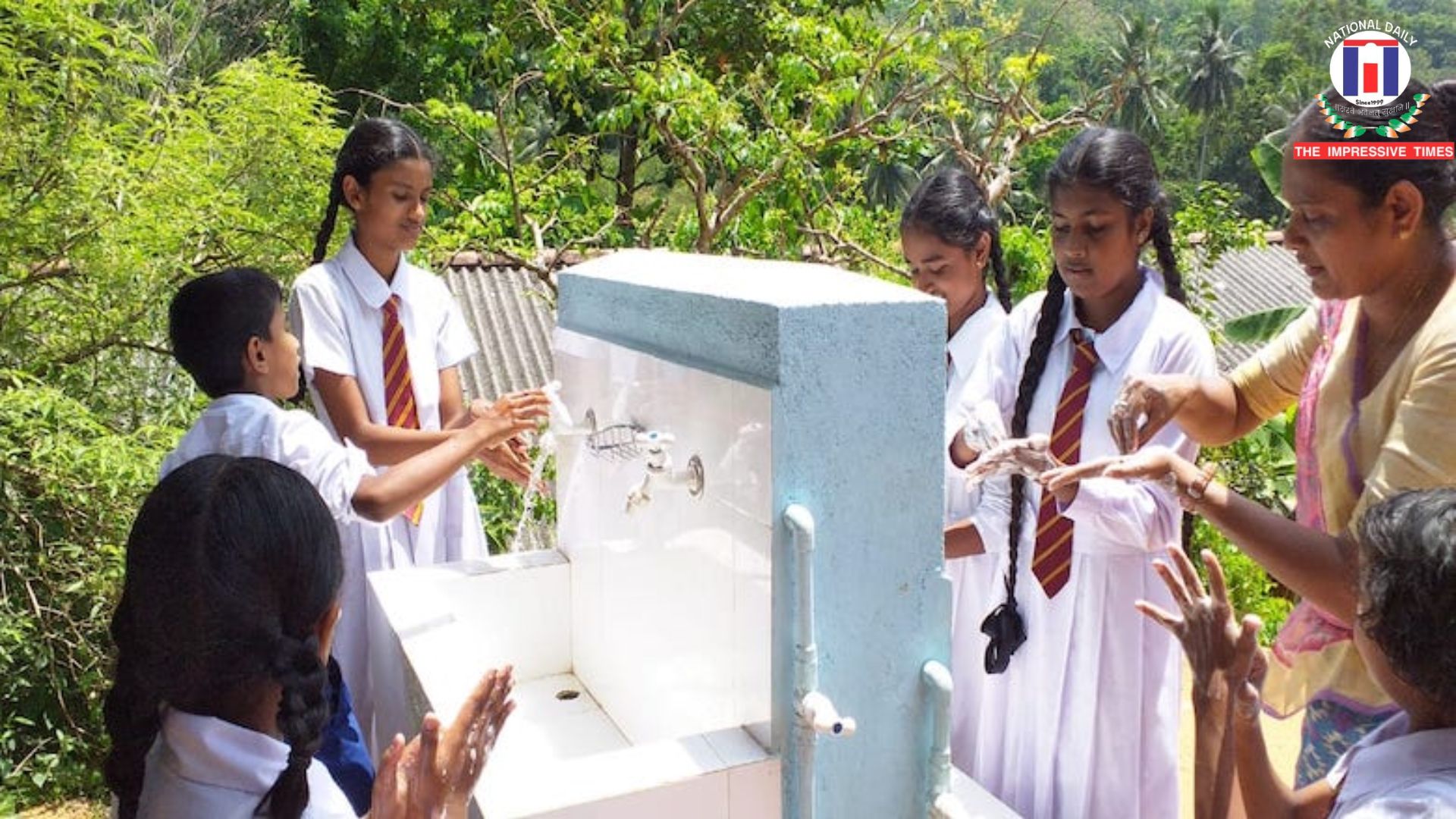
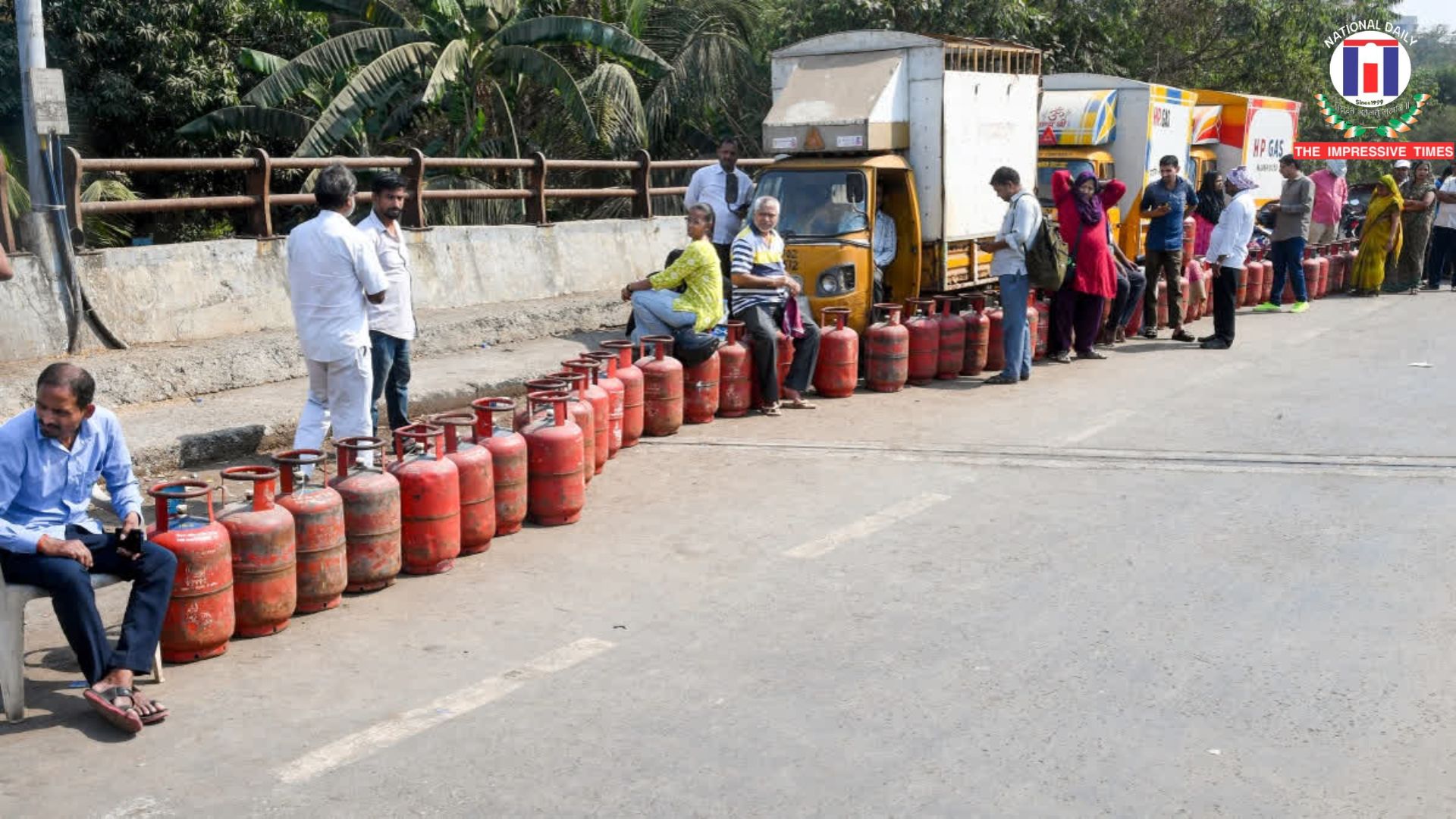
Highlighting key achievements, Thakur pointed to near-equal participation of girls and boys in education, supported by strengthened infrastructure and residential schooling facilities in remote and underserved regions. She also outlined the expansion of essential services such as piped drinking water, sanitation, and clean cooking fuel, noting their transformative impact on women and marginalised communities.
The Minister drew attention to India’s large-scale financial inclusion drive, which has enabled millions of citizens—particularly women—to access banking, credit, and entrepreneurship opportunities. She further detailed nationwide mechanisms established for the protection and welfare of women and children, including dedicated helplines and integrated support centres.
India’s extensive maternal and child health, nutrition, and social security programmes were also highlighted, with coverage extending to elderly citizens, persons with disabilities, unorganised workers, and transgender individuals. Emphasising innovation in governance, Smt. Thakur noted that digital public infrastructure and Direct Benefit Transfer systems have significantly improved transparency, efficiency, and last-mile delivery of welfare schemes.
Calling for stronger global cooperation, India reiterated its support for multilateral partnerships, capacity-building initiatives, and enhanced South-South collaboration to address shared social development challenges worldwide.
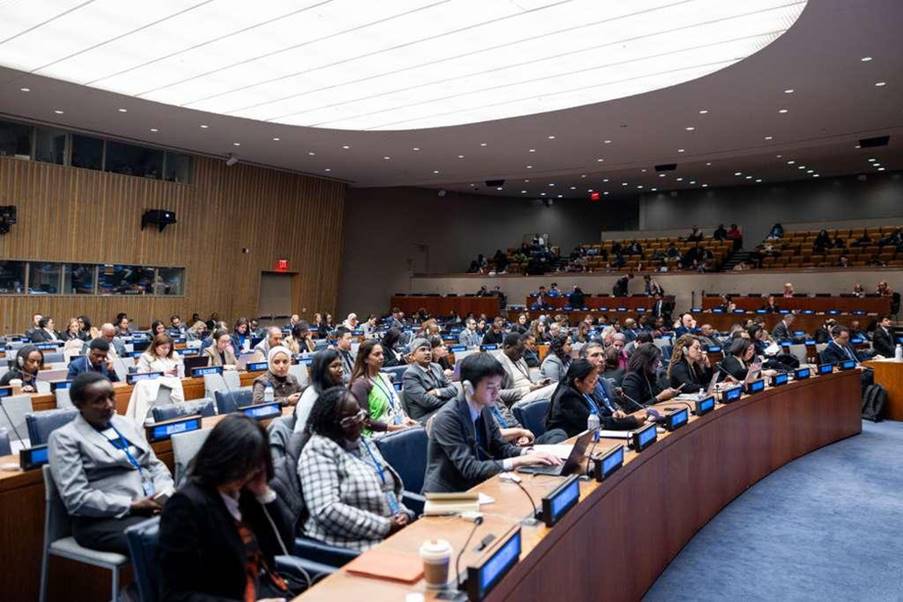
The session was chaired by Ambassador Khrystyna Hayovyshyn, Permanent Representative of Ukraine to the United Nations, and featured addresses by UN Deputy Secretary-General Ms. Amina J. Mohammed, President of the UN General Assembly H.E. Annalena Baerbock, ECOSOC President and Nepal’s Permanent Representative Ambassador Lokbahadur Thapa, and senior UN officials. Delegations from over 100 UN member states participated in the discussions, reflecting broad international engagement on advancing social development and justice.




















No Comments: