

Key Highlights
- Policy launched by LG Taranjit Singh Sandhu, CM Rekha Gupta and Sri Sri Ravi Shankar.
- One counsellor for every 500 students, along with helplines and mental health support services.
- District Well-Being Centres, school wellness committees and a six-tier crisis response system planned.
- Special focus on exam stress, anxiety, bullying, cyberbullying and student emotional well-being.
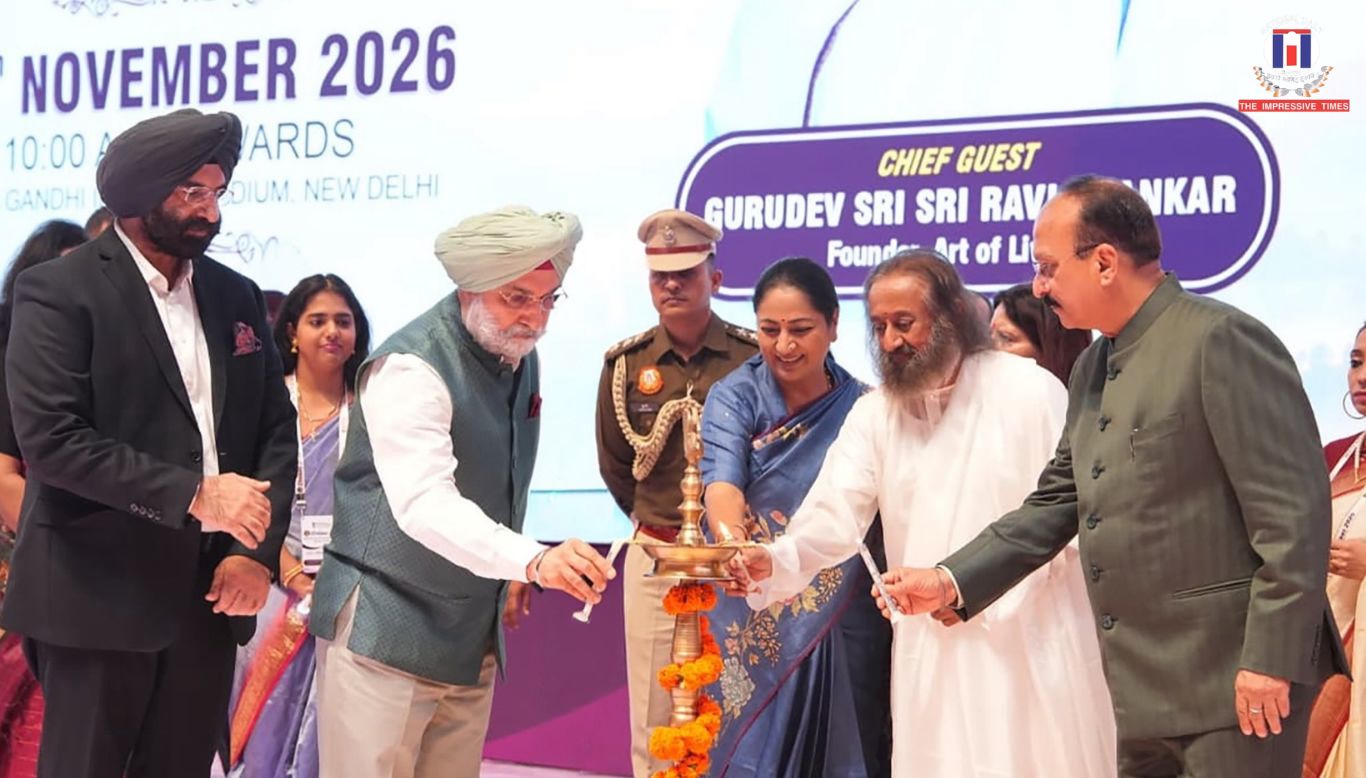
New Delhi- Delhi Lieutenant Governor Sardar Taranjit Singh Sandhu, Chief Minister Rekha Gupta and Art of Living founder Sri Sri Ravi Shankar on Thursday launched the ‘Ehsaas 2026’ Mental Health and Well-Being Policy for schools and higher educational institutions at a grand event held at the Indira Gandhi Indoor Stadium. The policy aims to raise awareness about mental health and encourage students, teachers and parents to speak openly about the subject, making mental and emotional well-being an integral part of education. Delhi Education Minister Ashish Sood, Environment Minister Sardar Manjinder Singh Sirsa along with thousands of people, were present on the occasion.

Mental Well-Being an Integral Part of Education: LG Sardar Taranjit Singh Sandhu
Delhi Lieutenant Governor Taranjit Singh Sandhu said that making mental health and emotional well-being an integral part of education is the need of the hour. At a time when young people are facing increasing stress, the Delhi Government’s initiative is timely and commendable. He said every child’s feelings, aspirations and needs matter, and no child should face discrimination on the basis of their background, abilities or circumstances. Children with disabilities and those from disadvantaged communities must be given equal opportunities, acceptance and support.

He said responsibility for mental health rests not only with students but also with teachers, parents and school management. It is important to understand children’s emotions, listen to them with sensitivity and encourage them to seek help whenever needed. Referring to the spirit of ‘Vasudhaiva Kutumbakam’, he said compassion, mutual respect and a sense of belonging help children develop confidence and mental well-being.
The Lieutenant Governor praised the Delhi Government and the Education Department, saying the success of the initiative would depend on effective implementation, professional mental health support and the creation of a sensitive and supportive environment in schools. He expressed confidence that the initiative would help every child understand that their feelings matter, that they are valued, and that seeking help is not a weakness but a sign of strength.
Millions of Students to Receive Mental and Emotional Support: CM Rekha Gupta
Chief Minister Rekha Gupta said the Delhi Government has introduced the ‘Ehsaas’ Mental Health and Well-Being Policy with the mental health and overall welfare of students in mind. The policy will be implemented across schools and higher educational institutions in Delhi. Its objective is to provide students with continuous support and reassurance through different stages of their lives and changing mental and emotional needs.

The Chief Minister said ‘Ehsaas’ would give millions of students studying in Delhi’s schools and colleges an opportunity to move forward with greater mental and emotional resilience. The Delhi Government wants every child to progress in life with happiness, positivity and confidence, and to know that the government, teachers and parents will stand by them through every challenge.

She appreciated the Education Department for taking forward this important initiative and thanked all officials, teachers and colleagues for their contribution. She said the department had played an important role in efforts to give a new direction to Delhi’s education system and promote the all-round development of students.

Helpline and Training to Strengthen Mental Health Support System: Education Minister Ashish Sood
Delhi Education Minister Ashish Sood said the ‘Ehsaas 2026’ policy is an important initiative to understand children’s emotional needs, listen to them and provide appropriate support. He thanked Gurudev Sri Sri Ravi Shankar, the Art of Living, UNESCO, IHBAS and expert institutions for their contribution to developing the policy.
Under the policy, teachers, parents, principals, EVGCs, officials, drivers, ayahs and other support staff will be trained to identify changes in children’s behaviour at an early stage and respond with sensitivity and appropriate support. Encouraging students to learn from failure, express themselves freely and seek help when needed, he said the policy provides for one counsellor for every 500 students, along with helplines and mental and emotional support services. Under the guidance of Prime Minister Narendra Modi and the leadership of Chief Minister Rekha Gupta, the government is committed to implementing the policy effectively through expert support, training and regular assessments.

Sensitivity and Mutual Support are Essential for Mental Well-Being: Sri Sri Ravi Shankar
Spiritual leader Sri Sri Ravi Shankar said India’s spiritual traditions have long served as the foundation of mental health and emotional resilience. Congratulating the Delhi Government on the ‘Ehsaas’ policy, he said the initiative would foster an important dialogue on mental health among students and society. Emphasising connection, a sense of belonging and sensitivity, he urged people not to ignore a student or fellow human being who appears sad or distressed. Instead, they should reach out with the spirit of “What can I do for you?” and strengthen mutual support and human connection.

‘Ehsaas’ Policy to Create a Safe, Sensitive and Supportive Environment
Under the Delhi Government’s ‘Ehsaas’ policy, educational institutions will be developed beyond spaces focused solely on textbook learning, examinations and marks into safe, sensitive and supportive environments where students can express their feelings, learn to deal with challenges and move forward with confidence.
Based on the concept of holistic education under the National Education Policy 2020, the policy views mental health not merely as a response to crises but as a shared responsibility of the entire educational system. It defines the roles of students, teachers, faculty members, parents, school management and institutional leadership.
A common framework has been developed for schools and higher educational institutions under the Directorate of Education and the Directorate of Higher Education. It covers government, government-aided and recognised private schools, as well as higher educational institutions falling under the jurisdiction of the Delhi Government.

Mental Health Policy Built on Four Key Pillars
The ‘Ehsaas’ policy is based on four key pillars.
1. Whole-Institution Approach: Mental health will become part of the institution’s overall culture, with the participation of students, teachers, faculty, institutional heads, hostel staff and parents.
2. Proactive and Preventive Care: Focuses on identifying early signs of mental health concerns, promoting social-emotional and life skills, and building mental resilience.
3. System-Level Accountability and Governance: Ensures clearly defined responsibilities within institutions, staff training, capacity building and accountability of institutional leadership.
4. Ethical Safety and Rights-Based Support: Protects students’ dignity, privacy and confidentiality, ensures age-appropriate consent for minors and respects the autonomy of adult students.
One Counsellor for Every 500 Students, School-Level Well-Being Committees to Be Set Up
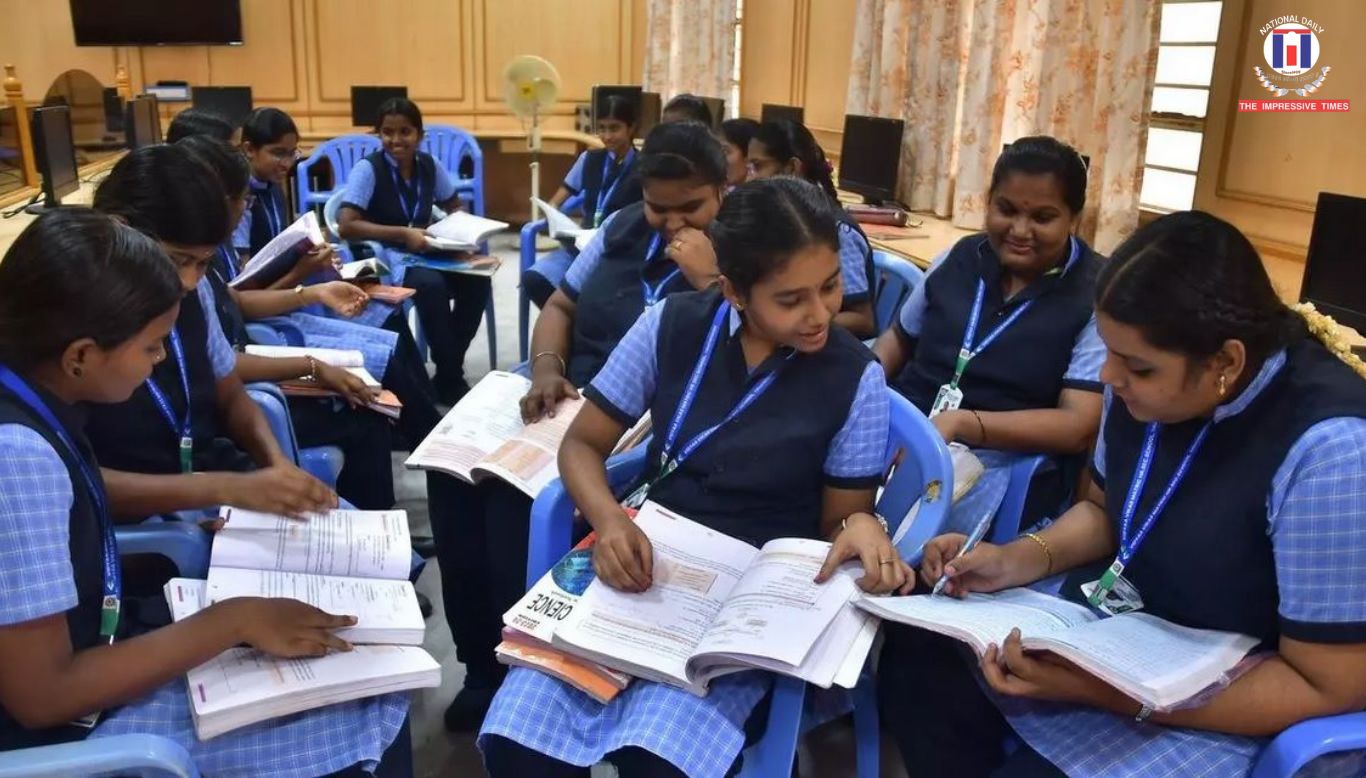
The ‘Ehsaas’ policy provides for the appointment of counsellors in every school and for ensuring a counsellor-student ratio of 1:500 to strengthen trained counselling services. Larger schools may also appoint additional counsellors for different academic levels. Counsellors will help identify students’ emotional and psychosocial concerns, provide initial support and counselling, and facilitate expert assistance whenever required. They will be kept separate from administrative and disciplinary duties.
School Well-Being Committees and School Wellness Teams will coordinate mental health activities, while teachers and staff will be trained to recognise early signs of stress and changes in behaviour. Delhi Government schools currently have 540 Educational and Vocational Guidance Counsellors (348 regular and 192 guest counsellors) providing psychological, emotional, personal, academic and career guidance. In addition, more than 500 teacher-counsellors are contributing to student guidance and awareness activities.
Key Numbers Under the Policy
- 1:500 counsellor-student ratio.
- 540 Educational and Vocational Guidance Counsellors in Delhi Government schools.
- 348 regular and 192 guest counsellors.
- 500+ teacher-counsellors supporting student guidance and awareness.
District Well-Being Centres to Provide Expert Support
Under the ‘Ehsaas’ policy, students will have access to specialised mental health services through District Well-Being Centres established at the district level. These centres will provide psychological assessments, therapeutic interventions and psychiatric consultations. Schools will be responsible for early identification, initial psychosocial support and referrals, while clinical assessments and treatment will be handled by trained specialists, ensuring that students who need help receive appropriate care in time.
Special Focus on Exam Stress, Anxiety, Bullying and Cyberbullying
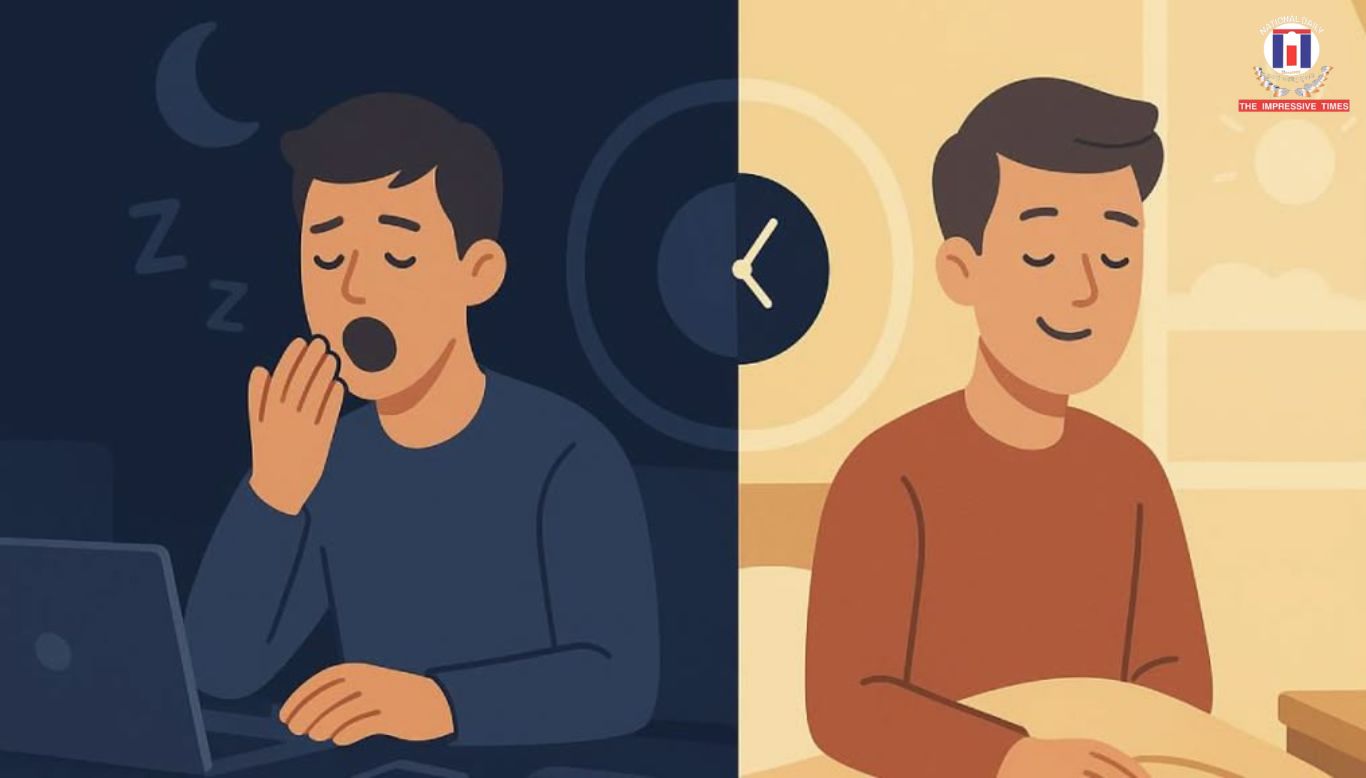
The ‘Ehsaas’ policy will give special attention to examination pressure, academic stress, anxiety, depression, interpersonal relationships and challenges related to digital behaviour. Students will be given opportunities to develop stress-management and social-emotional skills, while teachers and parents will be sensitised to recognise early signs of mental health concerns. Students dealing with the pressure of board and entrance examinations will also receive guidance and support. The policy also emphasises confidential mechanisms for reporting bullying, identity-based discrimination and cyberbullying, timely action on complaints, and protection from harassment for those filing complaints.
Six-Tier Escalation System for Immediate Support in Serious Situations
The ‘Ehsaas’ policy introduces a six-tier escalation mechanism to ensure student safety and address serious mental health crises. It includes the class teacher, school counsellor/first responder, school head/wellness team, District Well-Being Centre, hospital/emergency mental health services and relevant statutory agencies. Clear protocols have been laid down for immediate action, safety, expert support and continuous follow-up in serious cases, including risks of self-harm or suicide, to ensure that no student is left alone during a crisis.
Six-Tier Support Mechanism
- Class teacher
- School counsellor/first responder
- School head/wellness team
- District Well-Being Centre
- Hospital/emergency mental health services
- Relevant statutory agencies
School Wellness Services Index and Digital Monitoring Portal to Ensure Accountability
Under the ‘Ehsaas’ policy, a digital monitoring portal will be used to continuously track school counselling services, Well-Being Committees, referral systems, crisis-management preparedness and inclusive activities through data-based monitoring. Under the School Wellness Services Index (SWSI), every school will conduct a self-assessment of its arrangements each quarter and submit a report through the portal. Reviews at district and state levels will help identify gaps and take corrective measures. Monitoring will use aggregated data instead of students’ personally identifiable information, while ensuring data privacy and role-based access.
Teachers and Parents to Play an Important Role
The ‘Ehsaas’ policy views students’ mental and emotional development as a shared responsibility of families, schools and society, and emphasises better coordination among teachers, parents and school management. Teachers will be equipped to understand children’s emotional needs and provide early support, while parents will be sensitised to children’s behaviour, emotional changes and mental health. The Delhi Government’s initiative is an important step towards building an education system that gives equal importance to mental resilience, confidence, sensitivity and emotional balance alongside academic learning.

























No Comments: