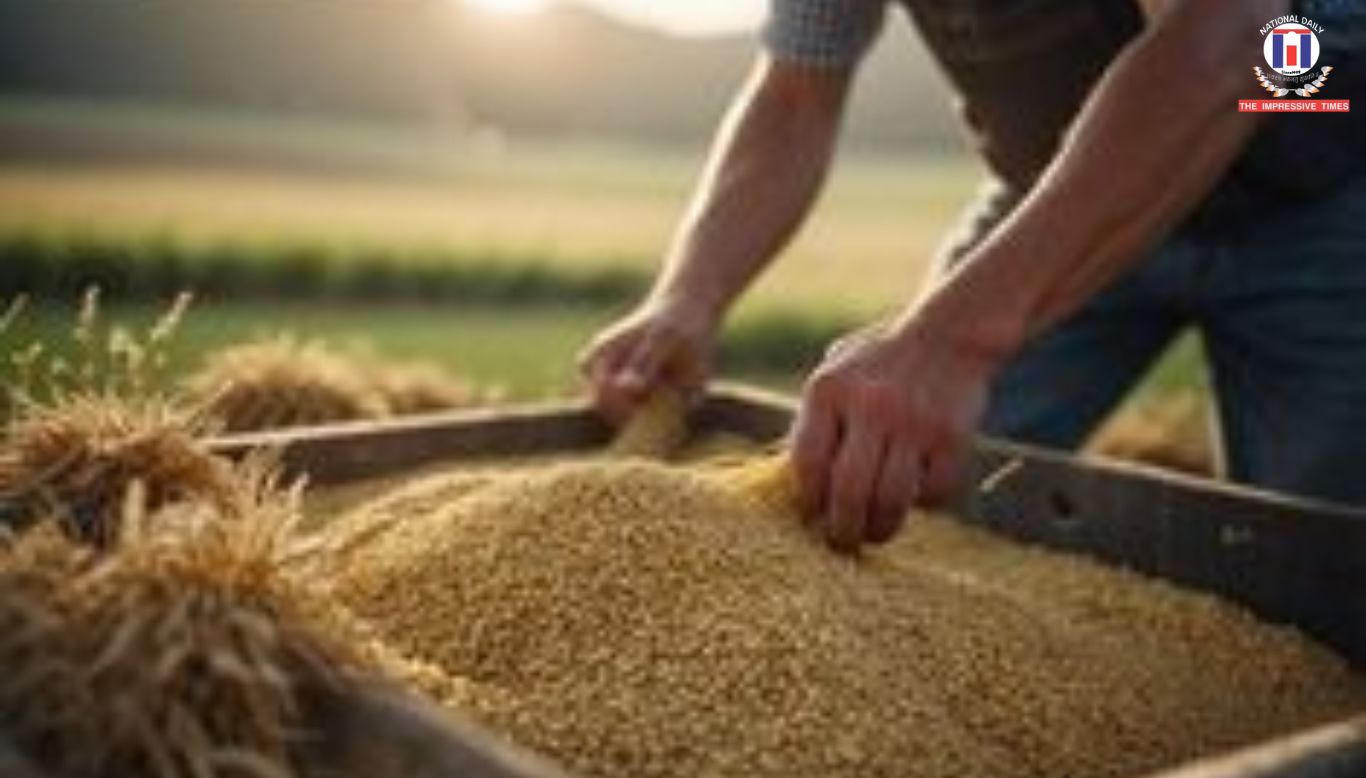
New Delhi- Traditional Indian grains are finding a renewed place in modern kitchens as more families explore millets as part of their everyday meals. Once considered a staple in rural households, millets are gradually gaining attention among urban consumers who are becoming more conscious of their food choices and dietary habits.
Millets such as ragi, jowar, bajra, foxtail millet and little millet are being rediscovered for their nutritional value and versatility. These grains have been part of India’s traditional food culture for generations, but changing lifestyles and the growing popularity of refined wheat and rice had reduced their presence in many households.
The renewed interest in millets reflects a broader shift towards traditional ingredients, home-cooked meals and locally sourced foods. Consumers are increasingly exploring alternatives that offer dietary variety while connecting them with familiar regional food traditions.
Why Are Millets Returning to Everyday Diets?
One of the major reasons behind the growing interest in millets is their nutritional profile. Many varieties contain dietary fibre, plant-based protein and essential minerals such as iron and magnesium. Whole millets can also contribute to a balanced diet when consumed in appropriate portions.
Their fibre content makes them an interesting option for people looking to improve dietary variety and support digestive health. Some millet varieties also have a relatively lower glycaemic impact than refined grains, although this depends on the variety, processing method and preparation.
Nutrition experts generally recommend choosing minimally processed grains and combining them with vegetables, pulses, dairy products or other protein sources to create balanced meals.
From Traditional Recipes to Modern Food Experiments
Millets are no longer limited to traditional preparations such as bajra roti, ragi porridge and jowar bhakri. Modern kitchens are experimenting with these grains in several new ways.
Ragi is being used in pancakes, dosa, cookies and breakfast preparations, while jowar flour is finding its way into rotis, wraps and savoury snacks. Bajra is commonly used in winter meals, particularly in northern and western India.
Foxtail millet and little millet are also being explored as alternatives to rice in dishes such as khichdi, pulao and vegetable-based meals.
This combination of traditional recipes and contemporary cooking techniques is making millets more accessible to younger consumers and families looking to diversify their regular menus.
A Sustainable Choice for Indian Agriculture
Beyond household nutrition, millets also hold importance from an agricultural perspective. Several millet varieties can grow under relatively dry conditions and require less water than water-intensive crops such as paddy, depending on the variety and farming practices.
Their ability to adapt to different climatic conditions makes them valuable for promoting agricultural diversity, particularly in regions facing water-related challenges.
India has also played an important role in promoting millets internationally, with 2023 observed as the International Year of Millets following a United Nations declaration.
How Families Can Include Millets in Daily Meals
For households interested in exploring these grains, making the transition does not require completely replacing wheat or rice. Small changes can help introduce millets into everyday cooking.
Families can begin by preparing ragi porridge for breakfast, trying bajra or jowar rotis with seasonal vegetables, or replacing rice occasionally with millet-based khichdi. Combining millets with pulses and vegetables can further improve the nutritional balance of meals.
However, people with specific dietary requirements should choose suitable varieties and preparations according to their nutritional needs. Individuals with coeliac disease should also ensure that millet products are not contaminated with gluten-containing grains during processing.
As traditional food habits meet changing dietary preferences, millets are gradually moving beyond their image as forgotten grains. Their growing presence in contemporary Indian kitchens reflects a renewed appreciation for local ingredients, regional recipes and more diverse eating habits.



































No Comments: