
 The Impressive Times
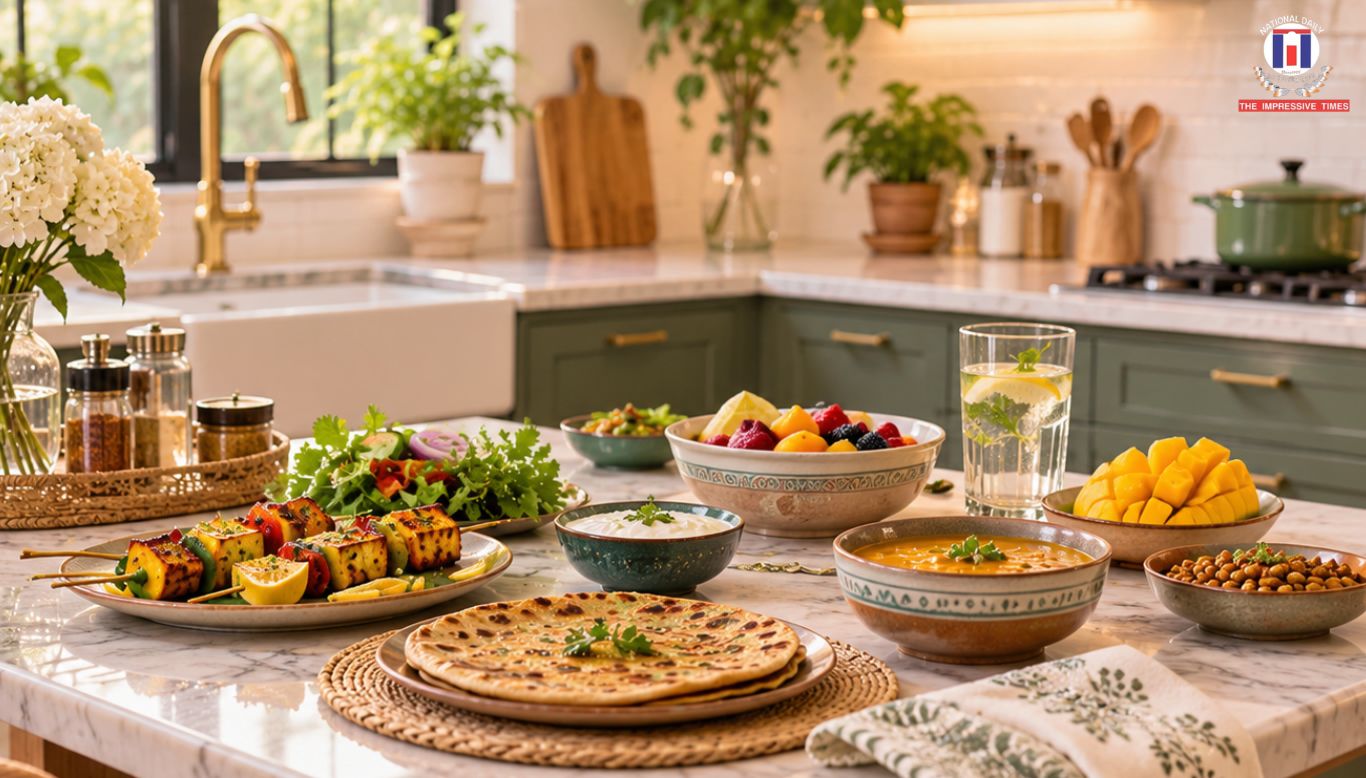
Breakfast is often considered one of the most important meals of the day, and choosing the right foods can make a significant difference to overall health and energy levels. With growing awareness about fitness, balanced nutrition and healthy eating habits, high-protein breakfasts are becoming increasingly popular among people across India.
Protein plays an important role in muscle repair, maintaining body tissues, supporting metabolism and keeping people feeling full for longer. While many people associate protein-rich diets with expensive supplements or non-vegetarian food, several everyday Indian ingredients can provide a good amount of protein.
From besan chilla and moong dal cheela to sprouts and paneer-based dishes, here are seven healthy and easy-to-prepare high-protein Indian breakfast ideas.
Besan chilla is a popular Indian breakfast option that is both nutritious and easy to prepare. Made using gram flour, it provides plant-based protein along with fibre and essential nutrients.
Adding vegetables such as onions, tomatoes, spinach and capsicum can improve its nutritional value. It can be served with mint chutney or plain curd for a balanced breakfast.
Moong dal chilla is another excellent choice for people looking to include more protein in their morning meals. Prepared using soaked and ground green gram, it is a nutritious alternative to regular pancakes and fried breakfast foods.
Adding paneer stuffing can further increase its protein content. It can also be served with curd or homemade green chutney.
Paneer bhurji is a delicious and protein-rich breakfast option that can be prepared with minimal ingredients. Crumbled paneer cooked with onions, tomatoes, turmeric and other spices makes a filling meal.
Pairing it with a whole-wheat roti provides carbohydrates and fibre, making it a balanced option for busy mornings.
Sprouts chaat is a refreshing breakfast choice that combines nutrition with flavour. Moong sprouts contain plant-based protein, fibre and several essential nutrients.
Mix steamed sprouts with chopped tomatoes, onions, cucumber, lemon juice and a little chaat masala to prepare a quick meal. Those who prefer softer sprouts can lightly steam them before serving.
Oats are widely consumed as a breakfast food because they provide fibre and support digestive health. However, adding protein-rich ingredients can make them more balanced.
Prepare oats with vegetables, peanuts and seeds for a nutritious savoury breakfast. Adding a side of curd can further improve the protein content of the meal.
Soya chunks are among the richest plant-based protein sources commonly available in Indian kitchens. They are an affordable ingredient that can easily be included in everyday meals.
A light soya chunk pulao prepared with rice, vegetables and mild spices can be a filling breakfast option. For a lighter meal, soya chunks can also be added to vegetable poha or upma.
For people who prefer a quick breakfast without extensive cooking, curd or Greek yogurt with nuts and seeds is a convenient option.
Greek yogurt generally contains more protein than regular curd, although the exact amount depends on the product. Adding almonds, pumpkin seeds, chia seeds and seasonal fruits provides additional nutrients, fibre and healthy fats.
Including protein in breakfast can support several important bodily functions.
Protein requirements vary according to age, body weight, physical activity and individual health conditions. For healthy adults, the commonly used minimum reference intake is approximately 0.8 grams of protein per kilogram of body weight per day.
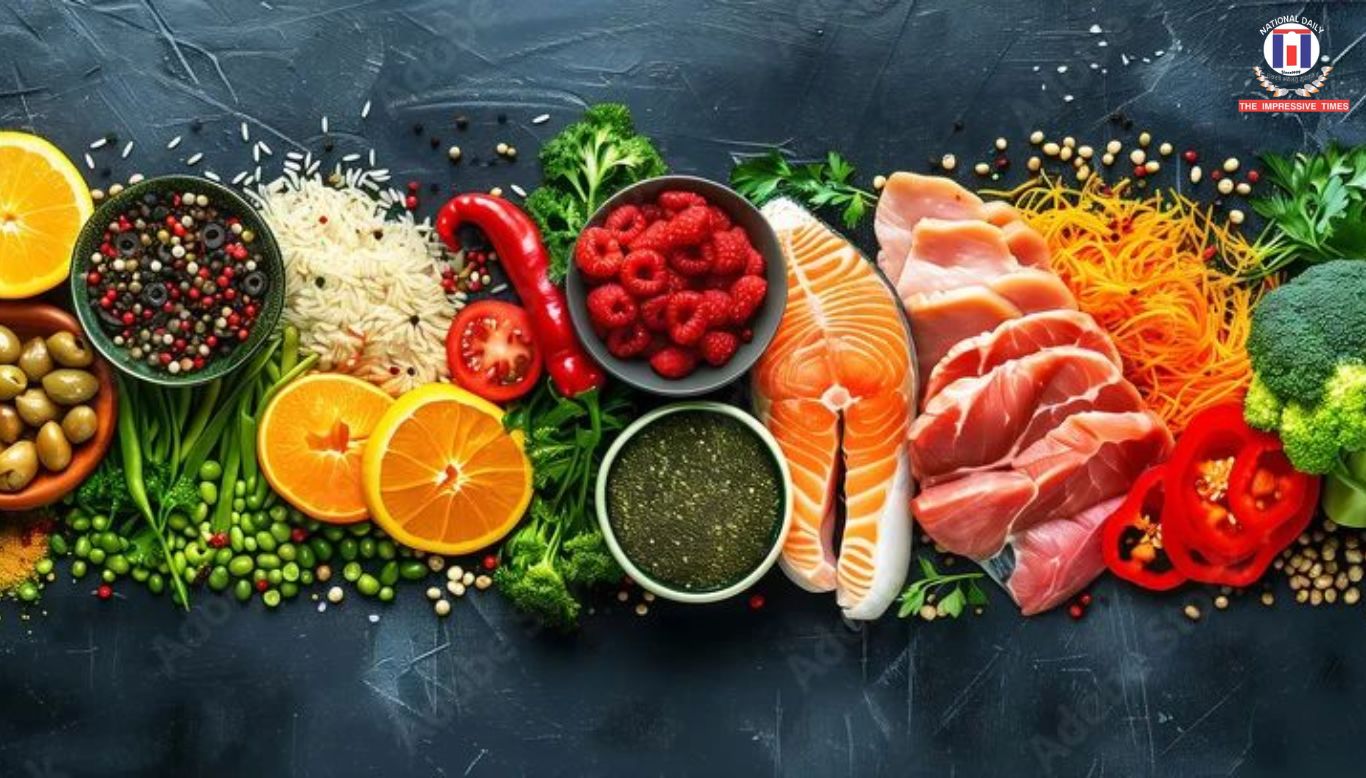
Instead of relying on a single meal, it is helpful to distribute protein intake across breakfast, lunch and dinner. Combining dals, legumes, dairy products, nuts and seeds can help people meet their daily requirements through regular home-cooked food.
Eating a protein-rich breakfast does not have to be expensive or complicated. Everyday Indian foods such as besan, moong dal, paneer, sprouts, soya chunks and curd can provide nutritious options for people looking to improve their eating habits.
By choosing balanced meals and including a variety of protein sources, individuals can make breakfast more nutritious while enjoying familiar Indian flavours. Small changes in everyday food choices can contribute to healthier long-term eating habits.








































No Comments: