Local employment & skill map essential for every Assembly & Lok Sabha constituency : Devnani
Devnani remarked that we will script a new history through the vigor of our youth, the empowerment of women, the dignity of labor, collective resolve, self-reliance, and practical knowledge
New Delhi : Rajasthan Legislative Assembly Speaker Vasudev Devnani stated that preparing a local employment and skill map for every Assembly and Lok Sabha constituency is essential to achieve the goal of ‘Viksit Bharat @2047’ (Developed India @2047). He noted that every region of the country possesses unique characteristics regarding tourism, agro-processing, engineering, renewable energy, and digital systems. By promoting local industries, shifting the mindset of the youth, and creating an environment that integrates academic education with practical vocational skills, we can realize the vision of a developed India.
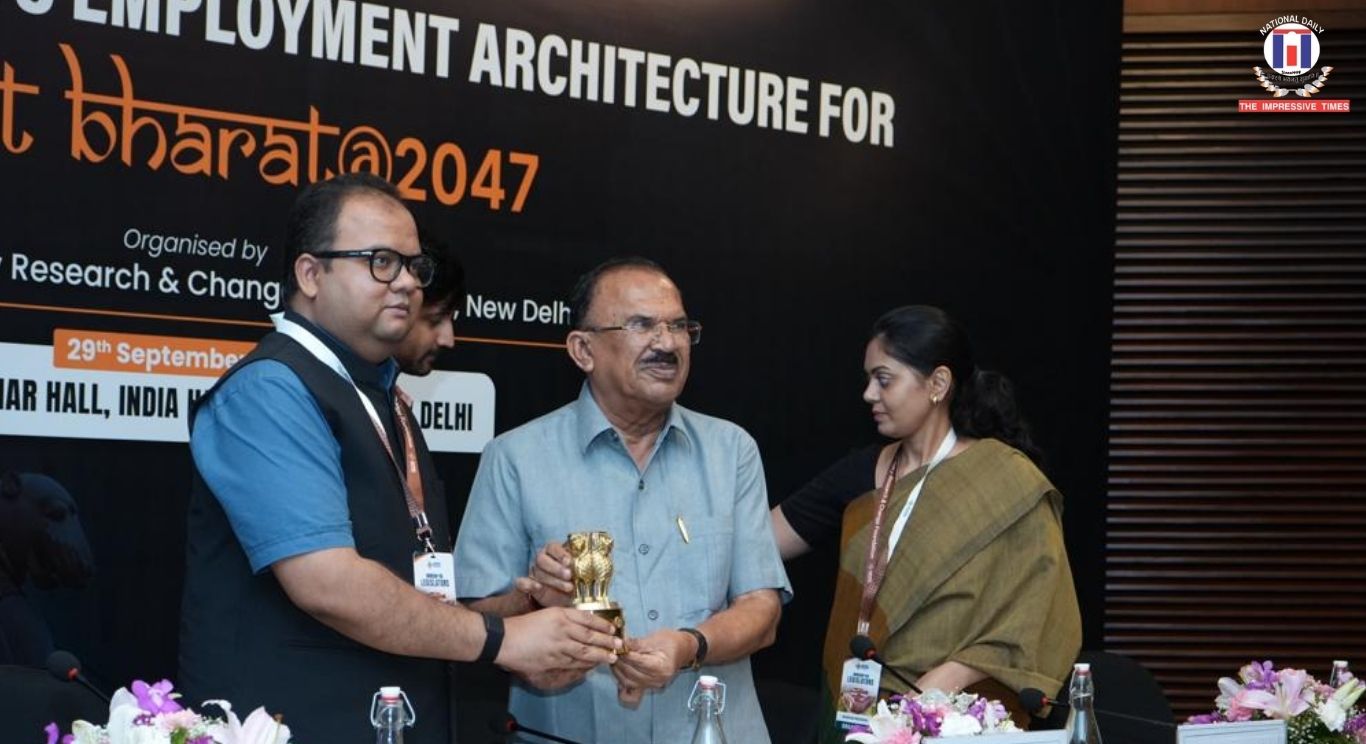
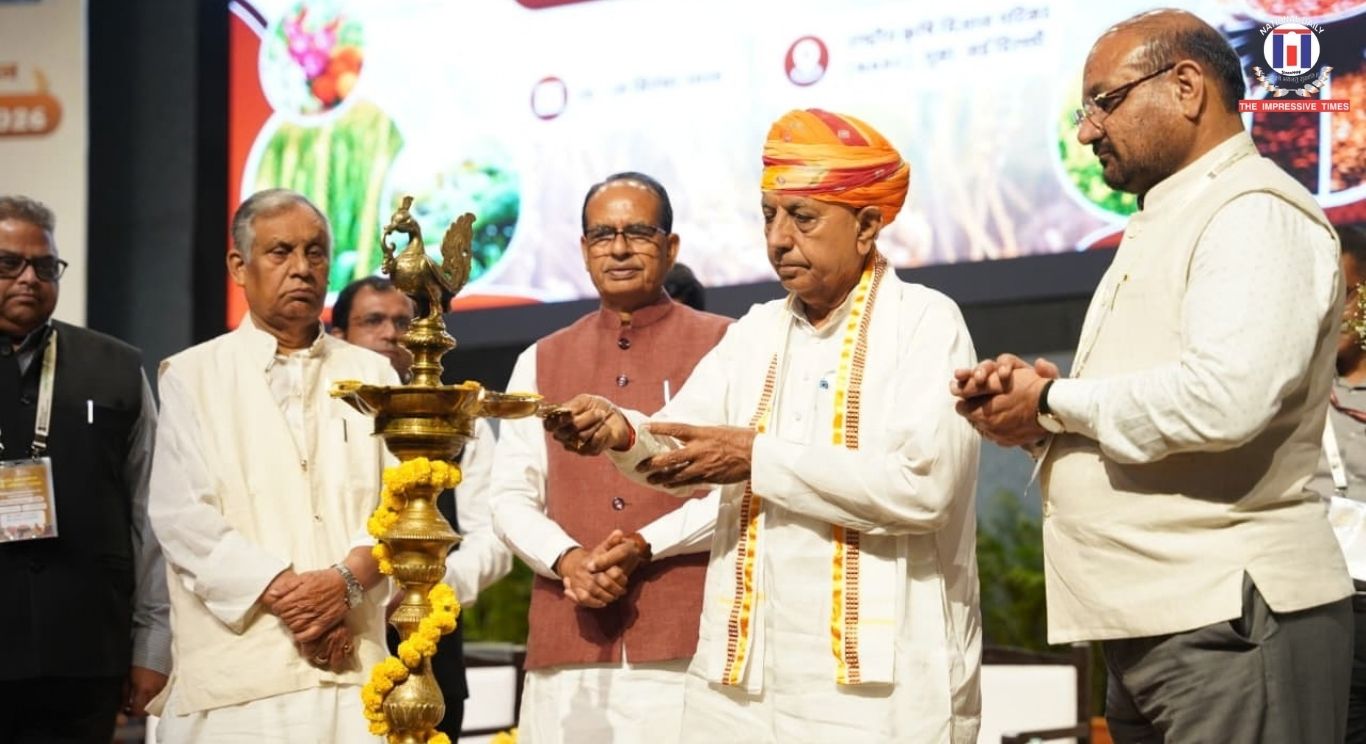
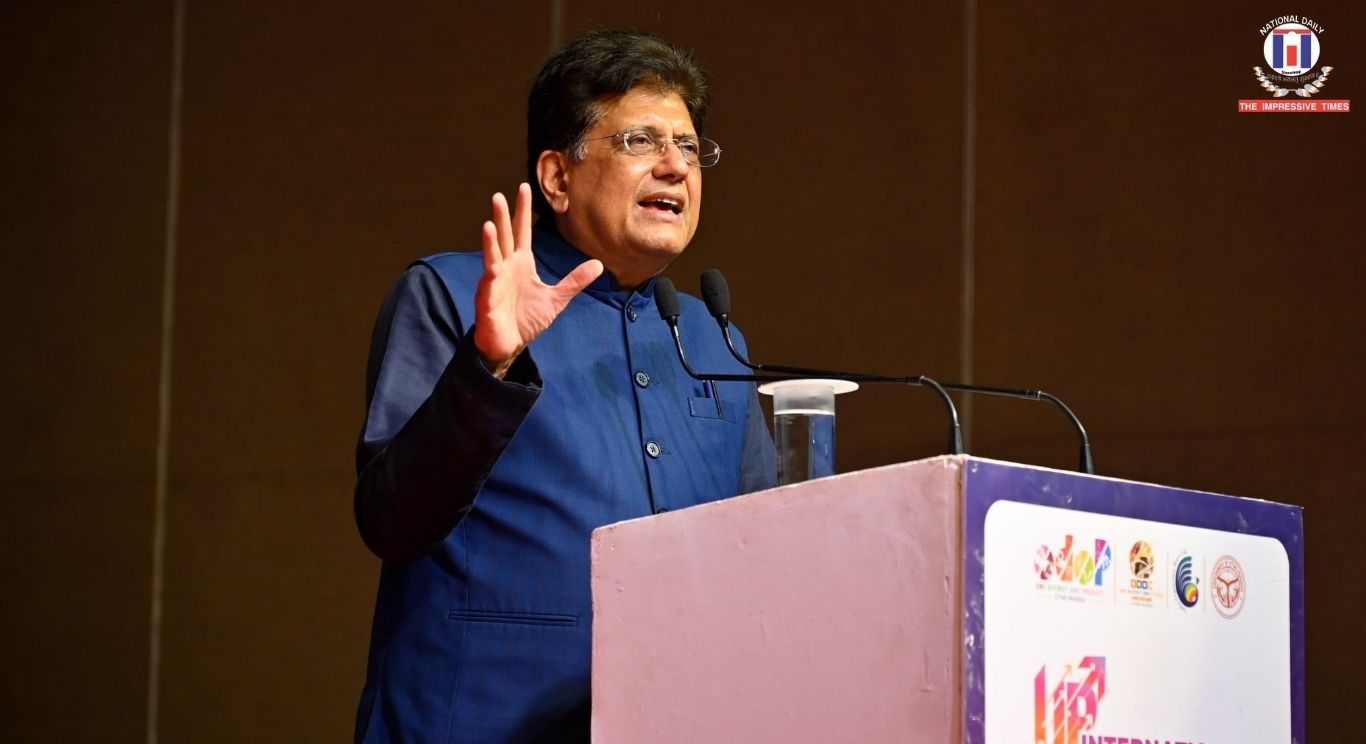
The Speaker was addressing a workshop on “Strengthening India’s Employment Framework for Viksit Bharat @2047″—attended by Members of Parliament (MPs), Members of Legislative Assembly (MLAs), and subject matter experts from the industry and education sectors—at the Gulmohar Hall of the India Habitat Centre in New Delhi on Tuesday. At the event, Mr. Tarun Chugh, Chairman of the NFPRC Foundation and Rajya Sabha MP, welcomed Speaker Devnani.
Devnani remarked that we will script a new history through the vigor of our youth, the empowerment of women, the dignity of labor, collective resolve, self-reliance, and practical knowledge. He observed that the nature of employment in the coming years will differ significantly from today’s landscape. Technologies and sectors such as AI, automation, robotics, semiconductors, green energy, biotechnology, cybersecurity, and digital services will transform the very nature of our economy. To adapt to this, we must remain constantly prepared for reskilling and lifelong learning.
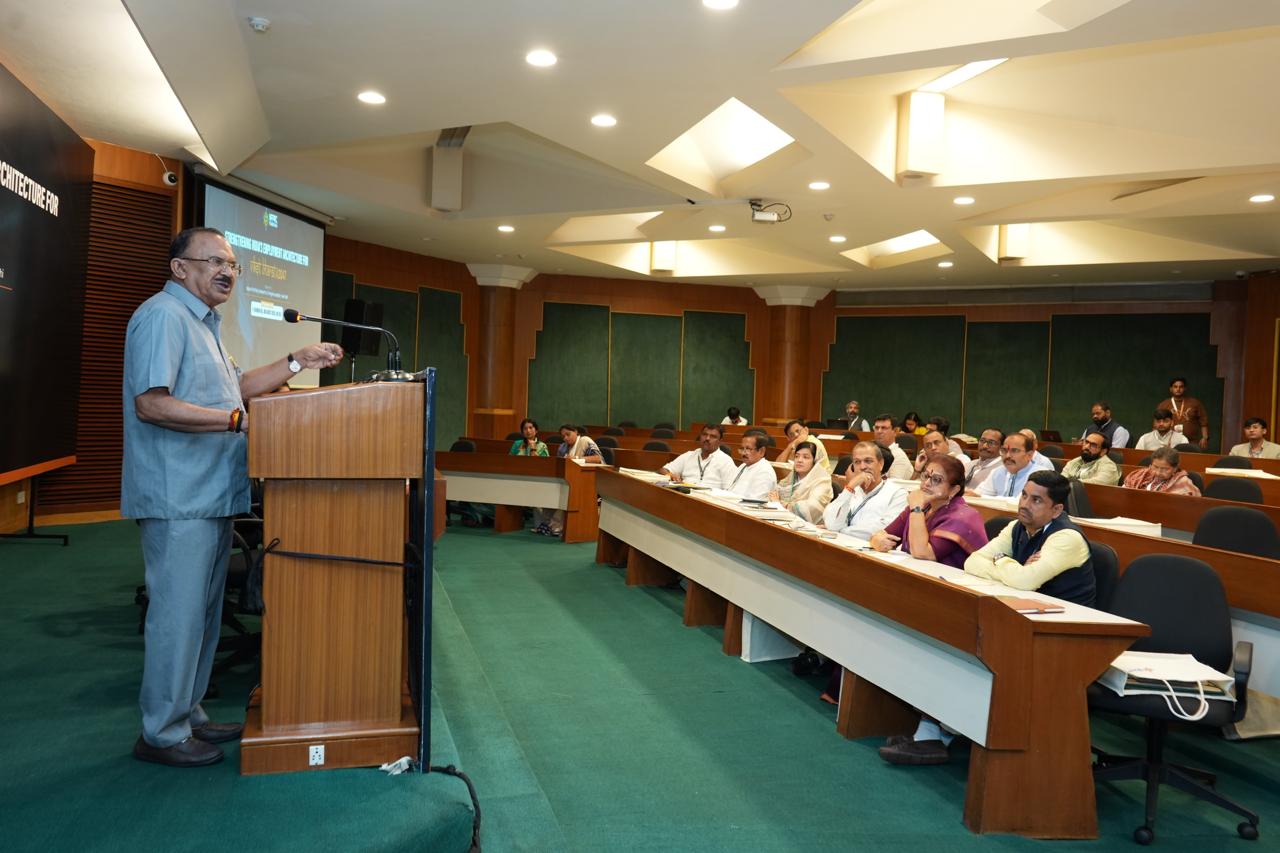
Devnani emphasized that when a young person transforms their education into skills, skills into work, and work into value creation, they advance not only their personal lives but also the national economy. Therefore, it is crucial to align education and skill development with the current and future requirements of the industry. Effective efforts must be made to transform the youth from mere job seekers into job creators. India is the youngest nation in the world, with 65 percent of its population comprising youth under the age of 35. Shri Devnani held the view that strengthening youth power and the employment ecosystem is essential to realizing the goal of ‘Viksit Bharat @2047’ (Developed India @2047).
The Speaker stated that to enhance women’s participation in the workforce, it is crucial to promote safe and conducive work environments, skill training, entrepreneurial opportunities, and necessary workplace amenities. Employment policies should aim to ensure equal access to opportunities for every section of society and every region of the country. He remarked that ‘Viksit Bharat @2047’ is not merely a goal for economic growth but a resolve to build an India where every young person has the opportunity to progress in accordance with their talent and potential. Achieving this requires better coordination among the central and state governments, the industrial sector, educational institutions, and organizations involved in skill development. Members of Parliament, Members of Legislative Assemblies, and subject matter experts from various fields across the country attended the workshop. Legislative Assembly Speaker Vasudev Devnani stated that preparing a local employment and skill map for every Assembly and Lok Sabha constituency is essential to achieve the goal of ‘Viksit Bharat @2047’ (Developed India @2047). He noted that every region of the country possesses unique characteristics regarding tourism, agro-processing, engineering, renewable energy, and digital systems. By promoting local industries, shifting the mindset of the youth, and creating an environment that integrates academic education with practical vocational skills, we can realize the vision of a developed India.
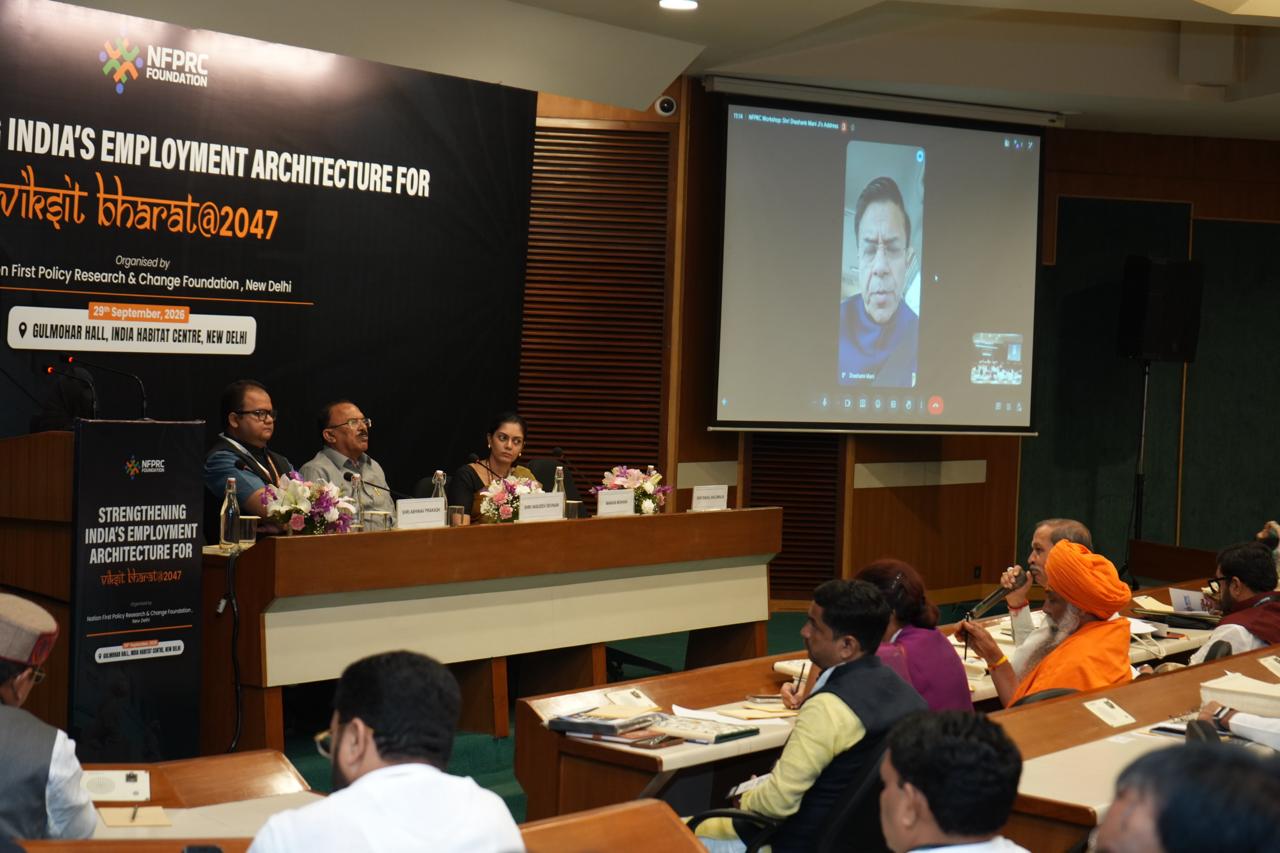
The Speaker was addressing a workshop on “Strengthening India’s Employment Framework for Viksit Bharat @2047″—attended by Members of Parliament (MPs), Members of Legislative Assembly (MLAs), and subject matter experts from the industry and education sectors—at the Gulmohar Hall of the India Habitat Centre in New Delhi on Tuesday. At the event, Tarun Chugh, Chairman of the NFPRC Foundation and Rajya Sabha MP, welcomed Speaker Devnani.
Devnani remarked that we will script a new history through the vigor of our youth, the empowerment of women, the dignity of labor, collective resolve, self-reliance, and practical knowledge. He observed that the nature of employment in the coming years will differ significantly from today’s landscape. Technologies and sectors such as AI, automation, robotics, semiconductors, green energy, biotechnology, cybersecurity, and digital services will transform the very nature of our economy. To adapt to this, we must remain constantly prepared for reskilling and lifelong learning.
Devnani emphasized that when a young person transforms their education into skills, skills into work, and work into value creation, they advance not only their personal lives but also the national economy. Therefore, it is crucial to align education and skill development with the current and future requirements of the industry. Effective efforts must be made to transform the youth from mere job seekers into job creators. India is the youngest nation in the world, with 65 percent of its population comprising youth under the age of 35. Shri Devnani held the view that strengthening youth power and the employment ecosystem is essential to realizing the goal of ‘Viksit Bharat @2047’ (Developed India @2047).
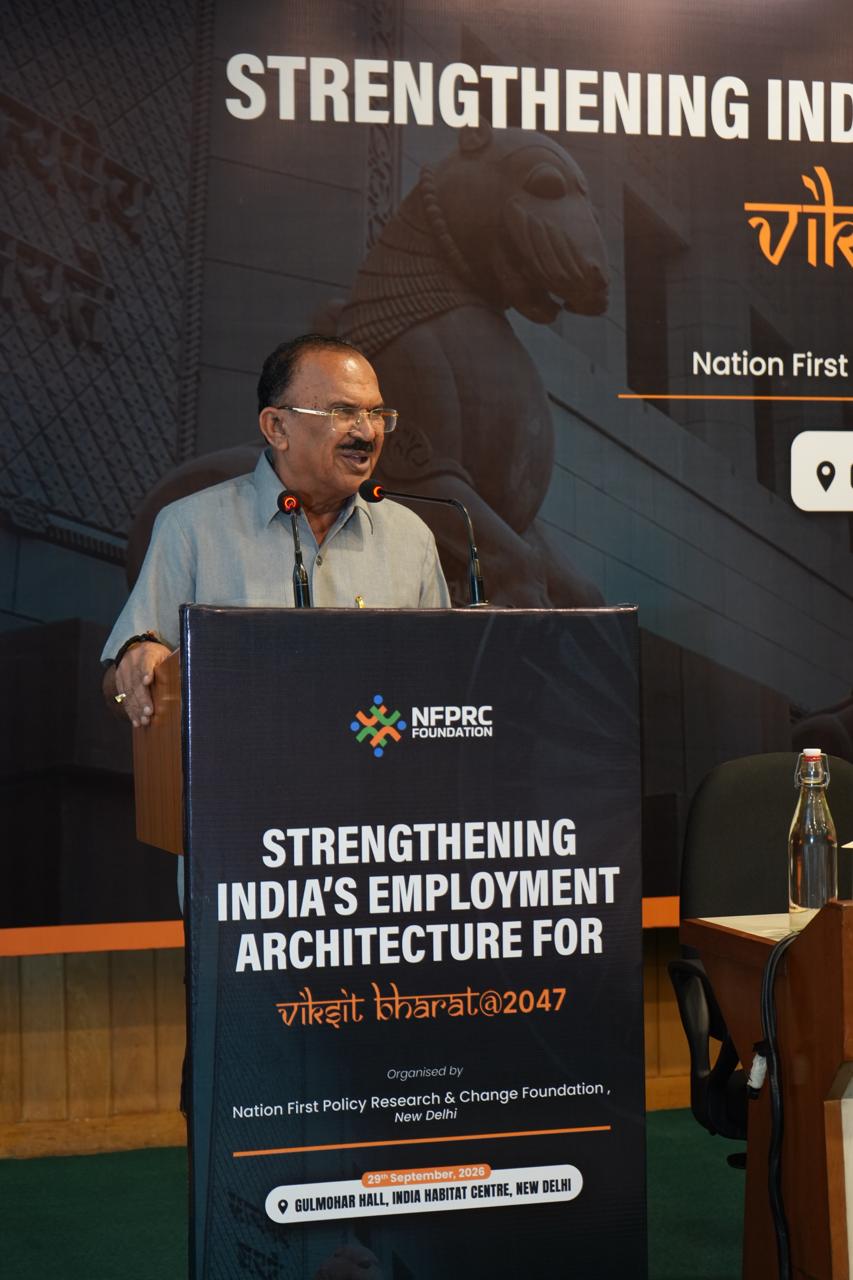
Speaker stated that to enhance women’s participation in the workforce, it is crucial to promote safe and conducive work environments, skill training, entrepreneurial opportunities, and necessary workplace amenities. Employment policies should aim to ensure equal access to opportunities for every section of society and every region of the country. He remarked that ‘Viksit Bharat @2047’ is not merely a goal for economic growth but a resolve to build an India where every young person has the opportunity to progress in accordance with their talent and potential. Achieving this requires better coordination among the central and state governments, the industrial sector, educational institutions, and organizations involved in skill development. Members of Parliament, Members of Legislative Assemblies, and subject matter experts from various fields across the country attended the workshop.























No Comments: