New Delhi: Jewellery has been an important part of Indian culture for thousands of years, but the profession of jewellery designing has evolved considerably with changing consumer preferences and the growth of the organised gems and jewellery industry. What was once largely a family-based craft passed down through generations has increasingly become a professional career option for people with creative and technical skills.
Today, jewellery is not viewed only as an investment or traditional ornament. Changing fashion trends have made it an important style statement, with consumers looking for designs suited to different occasions, personalities and lifestyles. This shift has created greater demand for trained jewellery designers.
What Does a Jewellery Designer Do?
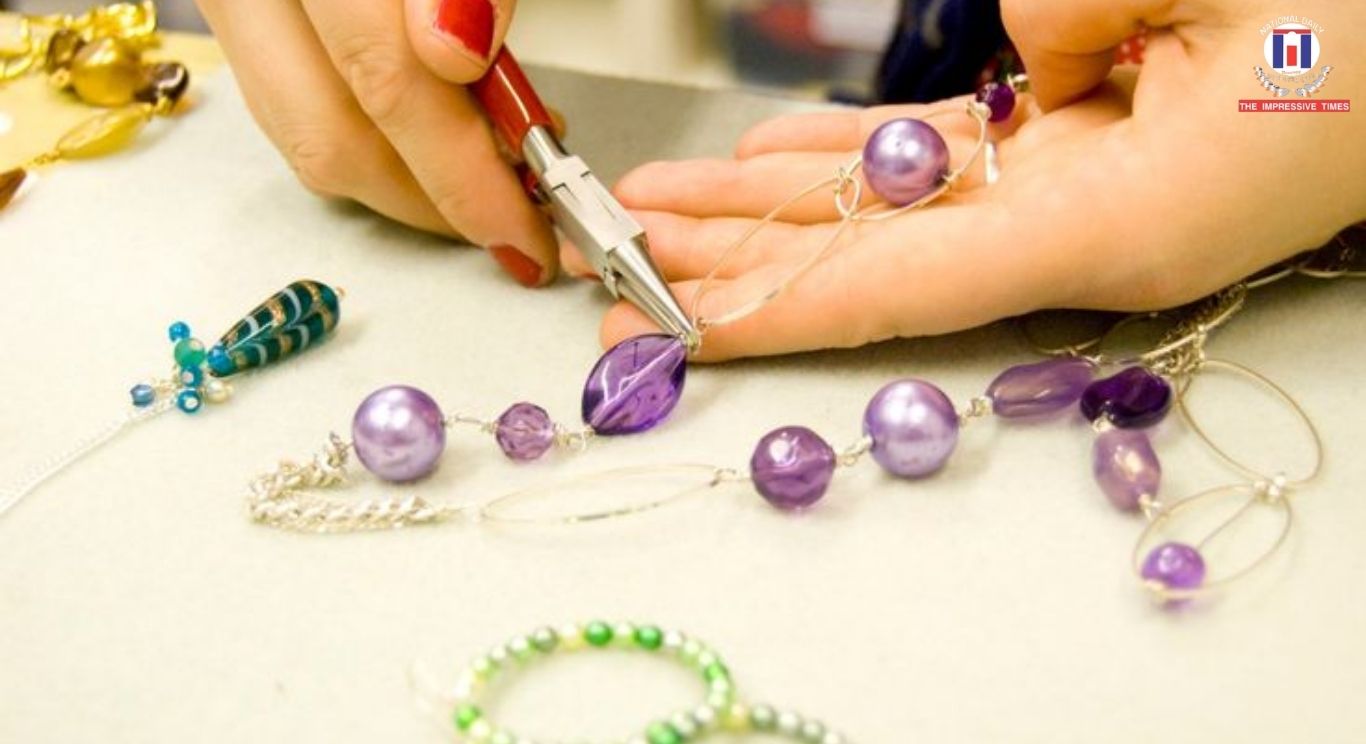
Jewellery designing combines artistic imagination with technical knowledge. Designers conceptualise and develop jewellery pieces before they are manufactured using precious metals, gemstones and other materials.
Training in this field can cover areas such as stone cutting, engraving, polishing, gemstone and precious-metal testing, stone setting, enamelling, metal colouring, anodising and electroplating.
Many programmes also introduce students to computer-aided design tools used for creating jewellery and accessories. Alongside creative skills, students learn about precious metals, alloys, gemstones, jewellery costing and the technical calculations involved in producing jewellery.
Courses and Eligibility
Several institutes in India offer jewellery-design programmes ranging from short-term courses to degree, diploma and postgraduate programmes.
Short-term programmes may be available to students who have completed Class 10 or Class 12, depending on the course. Diploma programmes generally have different eligibility requirements, while aspiring designers can also pursue a Bachelor of Design (B.Des) from recognised design institutions.
A formal design education can help students develop both aesthetic and technical abilities. After completing a bachelor’s degree, students can also consider internships with established jewellery houses or pursue higher studies in design.
Skills Needed to Build a Career
A successful jewellery designer needs more than an interest in ornaments. Creativity, visualisation, awareness of fashion trends and an understanding of design are important qualities.
Technical knowledge is equally valuable. Students need to understand gemstones, metals, manufacturing techniques and the practical aspects of converting an idea into a finished product.
A strong portfolio can also play an important role when applying for opportunities. Internships and experience working with established designers or jewellery studios can provide additional exposure to the industry.
Career Opportunities in Jewellery Designing
The growth of the gems and jewellery sector has created opportunities across manufacturing, retail, design and exports. Qualified professionals can work with jewellery brands, manufacturing units, showrooms, design studios, goldsmiths and auction houses.
Some of the major roles include:
- Jewellery Designer or Artist: Creates and develops new jewellery concepts and prepares design representations.
- Goldsmith: Specialises in producing traditional and standard jewellery designs.
- Fashion Jeweller: Creates jewellery for the fashion industry and changing style trends.
- Manufacturer: Operates or manages jewellery production units and may develop branded collections.
- Repair Professional: Specialises in repairing and restoring jewellery and related accessories.
- Lapidary: Works with precious and semi-precious stones, including their cutting and setting.
Experienced designers can also work independently as freelancers or establish their own jewellery designing, retail or trading businesses.
Where Can Jewellery Designers Work?
Career opportunities are available with established jewellery brands, jewellery manufacturing and designing units, retail showrooms, independent jewellery businesses and art or antique auction houses.
The source also identifies well-known brands such as Tanishq, Swarovski, Nakshatra and Gili among potential employers in the wider jewellery sector.
For professionals looking towards international opportunities, jewellery export houses and overseas design firms can provide career avenues, particularly for designers with experience and a strong portfolio.
Salary and Earning Potential
Income in jewellery designing varies according to education, experience, creativity, specialisation and the organisation where a professional works.
According to the source material, entry-level designers may earn around ₹8,000 per month, while experienced professionals can earn ₹18,000–₹20,000 or more. Highly established designers may earn over ₹1 lakh per month.
Freelancers have a different earning structure, with income depending largely on the quality of their work, client network, creativity and ability to market their designs.
Industry Growth and Career Scope
India has a long-standing association with jewellery manufacturing and consumption, and the country’s gems and jewellery industry provides employment to a large workforce. The growing popularity of branded jewellery and changing consumer preferences have also contributed to demand for contemporary designs.
The industry serves both the domestic and international markets, making jewellery designing relevant not only as a creative profession but also as part of India’s wider export-oriented gems and jewellery sector.
Pros and Challenges
Jewellery designing can be an attractive career for people with a strong creative instinct and interest in fashion. The sector offers opportunities for employment as well as entrepreneurship.
However, entering the industry can require considerable networking because many opportunities are not widely advertised. Starting an independent jewellery business can also involve significant investment.
Building a strong portfolio, attending trade fairs and exhibitions, developing industry contacts and gaining practical experience through internships can improve a candidate’s chances of finding work.
Is Jewellery Designing the Right Career for You?
Jewellery designing can be a suitable option for people who combine creativity with an interest in technical craftsmanship. A good understanding of design, awareness of emerging trends and the ability to visualise and develop original concepts can provide a strong foundation.
With formal training, practical experience and a well-developed portfolio, aspiring designers can explore opportunities ranging from jewellery houses and manufacturing units to international firms and independent businesses.
For those looking to turn artistic creativity into a professional skill, jewellery designing offers a career path that combines fashion, craftsmanship, technology and entrepreneurship.





























No Comments: