Regularisation of unauthorised colonies gives lakhs of families dignity and security: CM Rekha Gupta
Delhi Cabinet passes resolution thanking PM Narendra Modi and the Union Govt

 The Impressive Times
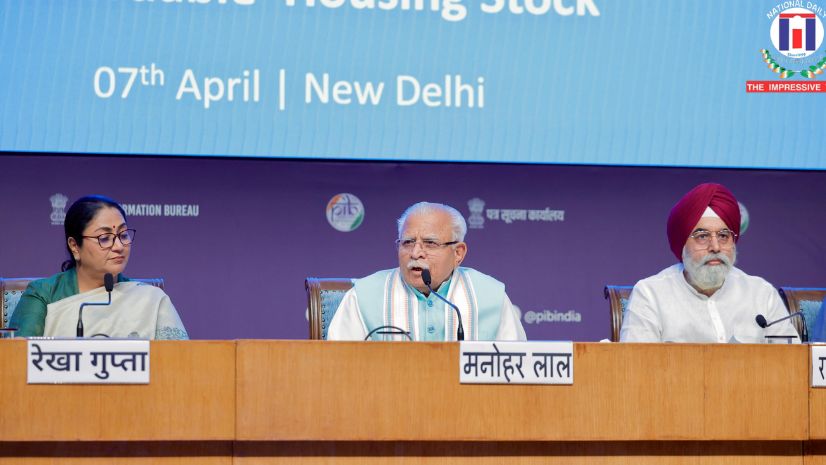
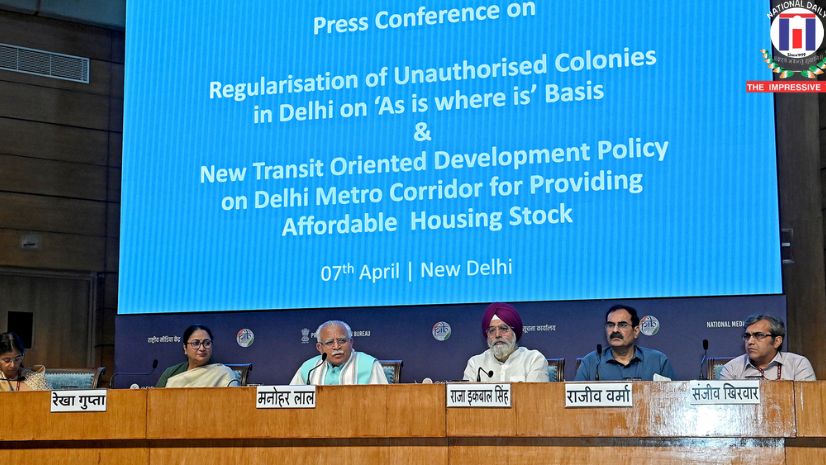
New Delhi, 7 April 2026 : The Delhi Cabinet, chaired by Chief Minister Rekha Gupta, on Tuesday thanked the Centre for its historic decision to regularise 1,511 unauthorised colonies in the capital. At a meeting held at the Delhi Secretariat, the Cabinet unanimously passed a resolution expressing gratitude to Prime Minister Narendra Modi and the Union leadership, including Urban Development Minister Manohar Lal. Calling it a transformative step, the Chief Minister said the decision would bring hope, dignity and long-awaited security to lakhs of families who have lived for years in uncertainty. Ministers present at the meeting spoke with emotion, describing the move as no less than a celebration for residents of these colonies, who have long faced neglect and instability. With legal recognition now in place, concerns over homes and the future are expected to ease significantly.

Gupta said the decision goes beyond legal validation, offering residents a pathway to self-respect, stability and development. She underlined that both the Centre and the Delhi government will now work together to take concrete steps towards the comprehensive and planned development of these colonies, ensuring better infrastructure and improved living standards. She added that the Delhi government has been sensitive to the concerns of residents in these areas. A lack of basic amenities has long caused hardship, and to address this, ₹800 crore has been earmarked in the 2026-27 budget to strengthen infrastructure. The Centre’s decision, she said, has now paved the way for faster development and a tangible improvement in the quality of life of residents.

Under the plan, 1,511 of Delhi’s 1,731 unauthorised colonies will be regularised on an ‘As-is, Where-is’ basis. No approval of layout plans will be required, and all plots and buildings will be treated as residential. Around 4.5 million people are expected to benefit. The entire regularisation process will now be handled by the Delhi government’s Revenue Department instead of the Delhi Development Authority. A clear timeline has been laid down for the process from application to the issuance of conveyance deeds. This includes seven days for GIS survey reports, 15 days for deficiency resolution memos, and a mandatory 45-day deadline for issuing conveyance deeds. The PM-UDAY register will be regularly maintained, and regularisation certificates will be issued by the MCD. Applications under the scheme will open from April 24, 2026, through the Swagam portal.
Highlighting the broader context, the Chief Minister said that Delhi’s population has nearly doubled over the past two decades—from around 1.5 crore to nearly 3 crore. The city today has thousands of unauthorised colonies, around 675 slum clusters and more than 350 villages, many of which have seen unplanned and unregulated growth over the years. She said previous governments failed to adequately address the issue, making relocation impractical. Today’s decision, she stressed, marks the first significant step towards structured and planned urban development. She added that her government is continuously working with the Centre to deliver systematic and well-planned development for Delhi.

Gupta also emphasised that unauthorised colonies are an integral part of Delhi’s urban fabric, and any vision for the capital’s development would remain incomplete without them. The government aims to integrate these colonies into the mainstream of urban development. However, challenges remain—narrow lanes, houses with limited access points, and high population density make emergency response, especially during fires, extremely difficult. Keeping this in mind, the government is also working to further strengthen fire services infrastructure to ensure residents’ safety. She said the government is approaching the issue not only from a development perspective, but also from the standpoint of safety and urban planning. Regularisation will not only grant ownership rights to residents but also enable them to access loans against their properties, opening up new avenues for redevelopment and economic empowerment.
According to the Chief Minister, this initiative marks the beginning of a broader process aimed at transforming Delhi into a better planned and modern city. It is a concrete step towards ensuring balanced and inclusive development. The move is expected to bring tangible and positive changes to the lives of lakhs of residents, providing them with improved infrastructure and a better living environment.

























No Comments: