

 The Impressive Times
New Delhi : The Government of India announced that the National Policy on Biofuels continues to play a pivotal role in promoting biodiesel production, strengthening rural livelihoods, and creating new income opportunities for farmers.
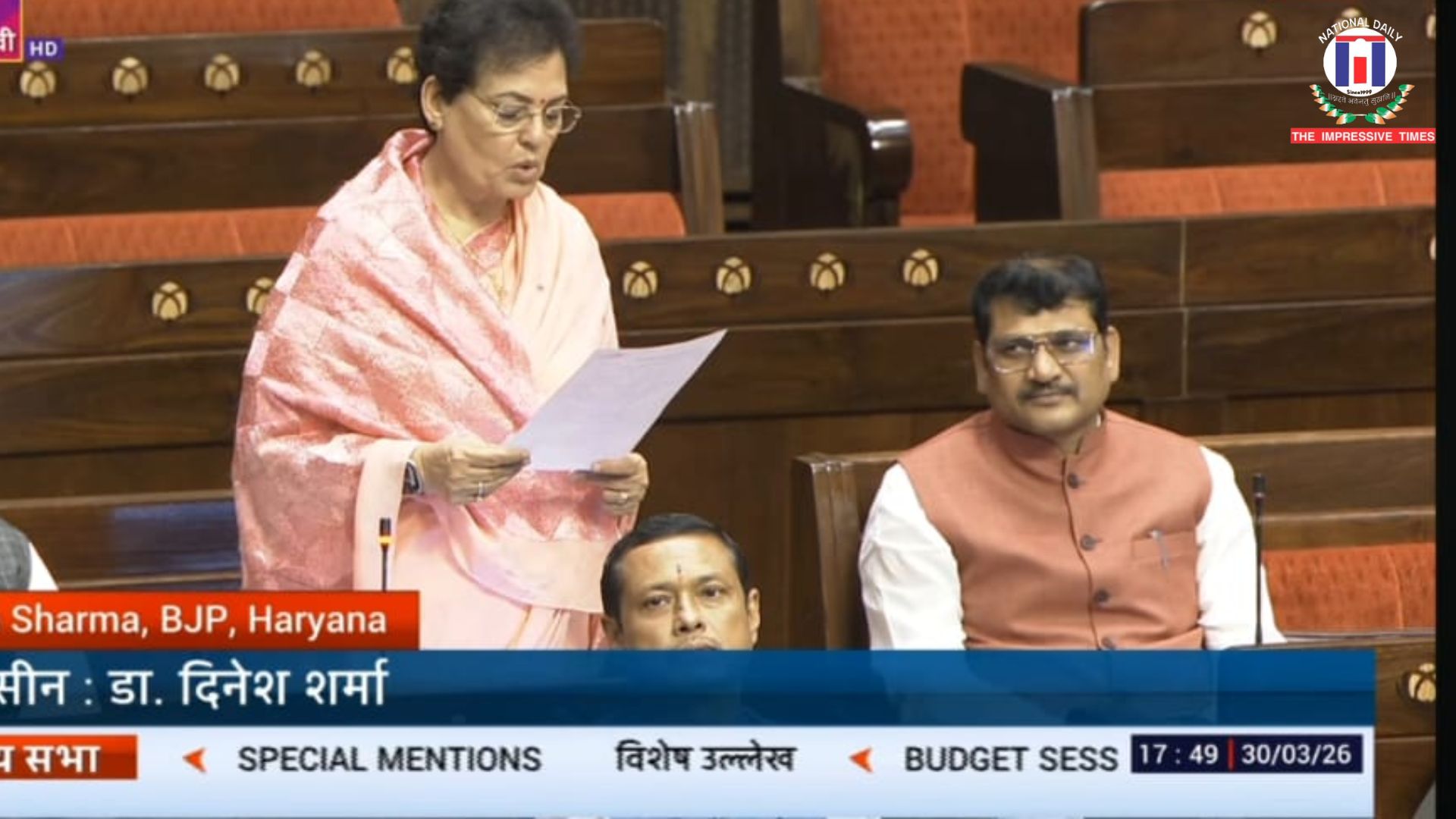
In a written reply to the Lok Sabha, Minister of State for Petroleum and Natural Gas Shri Suresh Gopi highlighted that a series of policy interventions have accelerated the adoption of biodiesel across the country.
To expand domestic biodiesel output and encourage its use, the government has implemented several initiatives, including:
Indicative biodiesel blending targets under the National Policy on Biofuels.
Permission for direct sale of biodiesel for blending with high-speed diesel for transportation.
Issuing the 2019 Guidelines for biodiesel sale for blending purposes.
Reducing GST on biodiesel procurement for blending from 12% to 5%, making it more affordable for oil marketing companies.
The Biodiesel Blending Programme has opened new avenues for farmers by promoting cultivation and supply of Tree-Borne Oils (TBOs) such as:
Karanja
Neem
Mahua
Pongamia
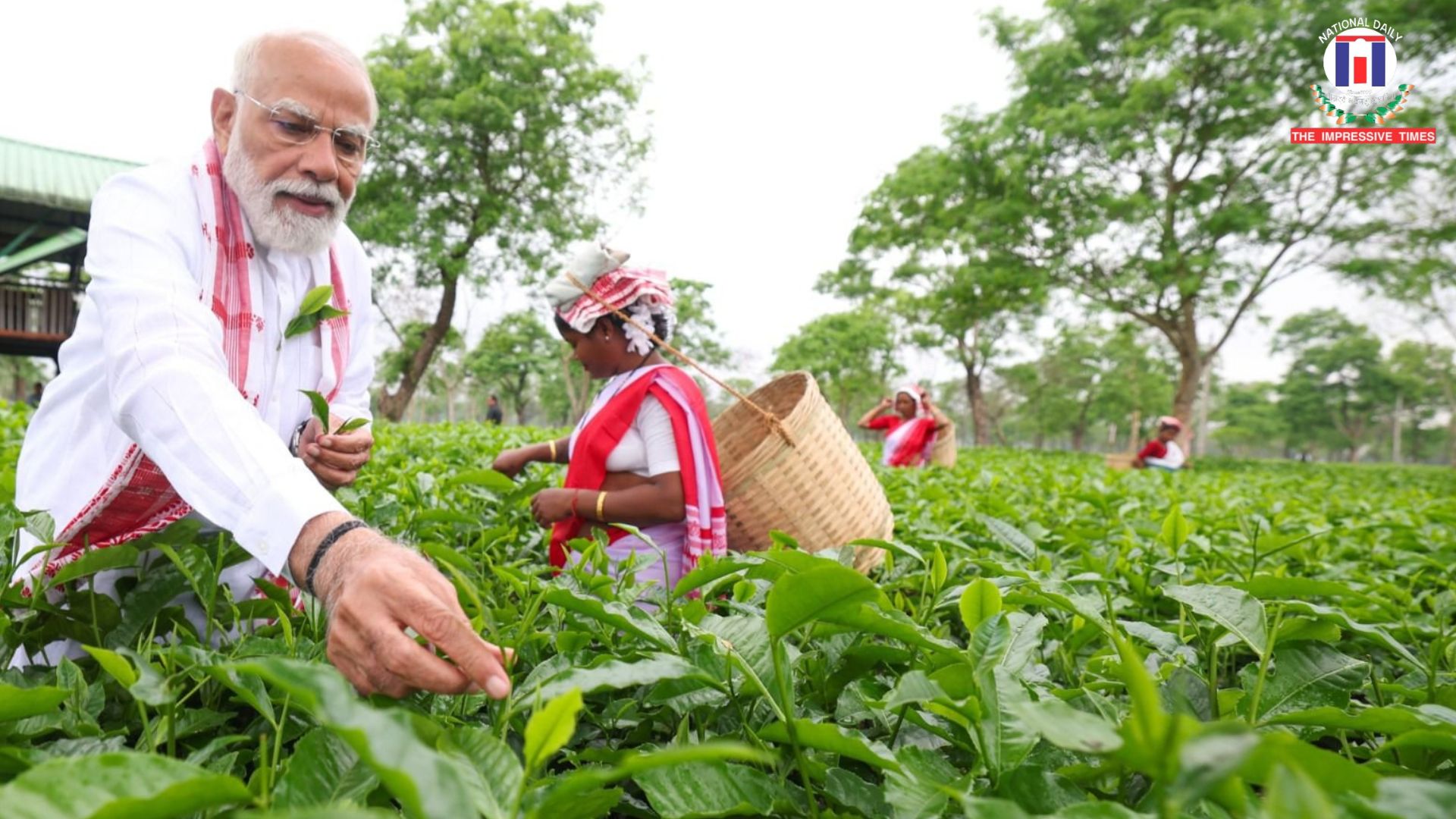
These crops thrive on underutilized or wasteland areas, require minimal inputs, and grow well in drought-prone regions. This approach enhances income sources for farmers and reduces dependence on traditional single-crop systems.
The policy framework supports:
Plantation operations,
Seed collection, and
Oil extraction activities,
all of which generate employment and stimulate rural economic growth. The biodiesel value chain also enables effective utilization of waste and low-value agricultural products, adding further value to the rural economy.
By promoting biodiesel, the government aims to reduce:
Dependence on imported fossil fuels,
Environmental degradation from traditional fuels, and
Wastage of agricultural by-products.
The policy also supports farmer diversification and sustainable rural livelihoods, contributing to India’s long-term energy and environmental goals.
































No Comments: