India Advances Deep Sea Mission as Matsya 6000 Nears Next Testing Phase
Government outlines progress in submersible trials and seabed mining technology in Parliament

 The Impressive Times
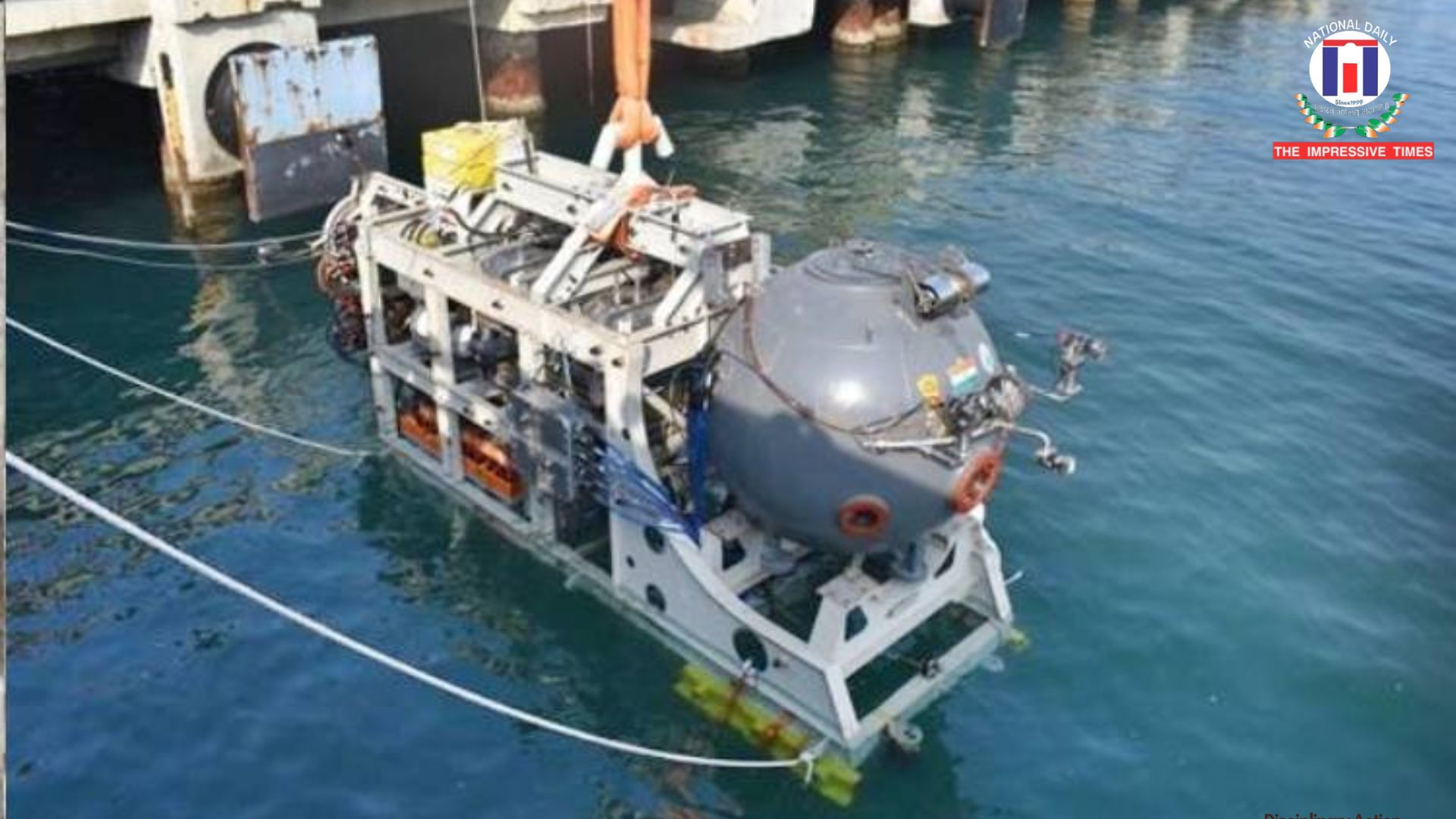
New Delhi, March 19, 2026: The Ministry of Earth Sciences informed Parliament about significant progress in India’s deep-sea exploration programme, including the development and testing of the manned submersible Matsya 6000.
According to the ministry, the submersible has successfully completed harbour trials earlier in 2025, demonstrating key capabilities such as buoyancy control, stability, navigation, power systems, communication, and onboard safety support for human occupants.
However, the next phase involving a 500-metre shallow-water dive has been delayed due to the unavailability of a critical component—specialised syntactic foam. This material, being developed in collaboration with a European firm, faced manufacturing issues and is now expected to reach India by the end of May. The dive will be scheduled after integration and testing, likely later this year.
The ministry also highlighted advancements in seabed mining technology developed by the National Institute of Ocean Technology. A mining system capable of collecting and processing polymetallic nodules was earlier tested at a depth of over 5,000 metres in the Central Indian Ocean.
Officials clarified that no such deep-sea trials were conducted in 2025, and large-scale commercial mining activities remain on hold pending the finalisation of global regulations.
The international framework for seabed mining is currently being shaped by the International Seabed Authority, which is yet to establish a formal exploitation code governing commercial extraction.
In parallel, the government is encouraging private sector participation in ocean-based economic activities under its Blue Economy vision, using mechanisms such as tenders and partnerships to boost innovation and investment.
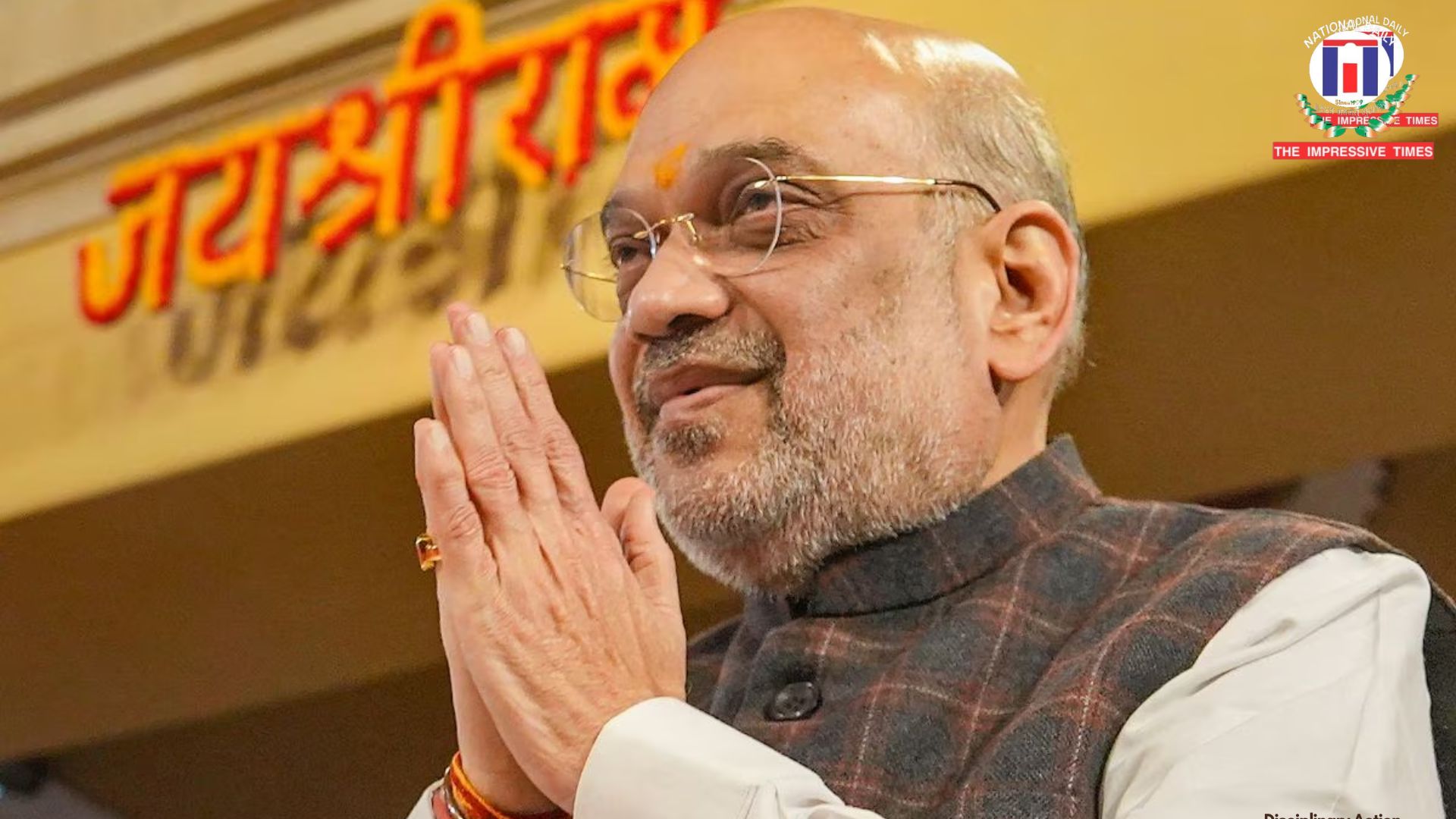
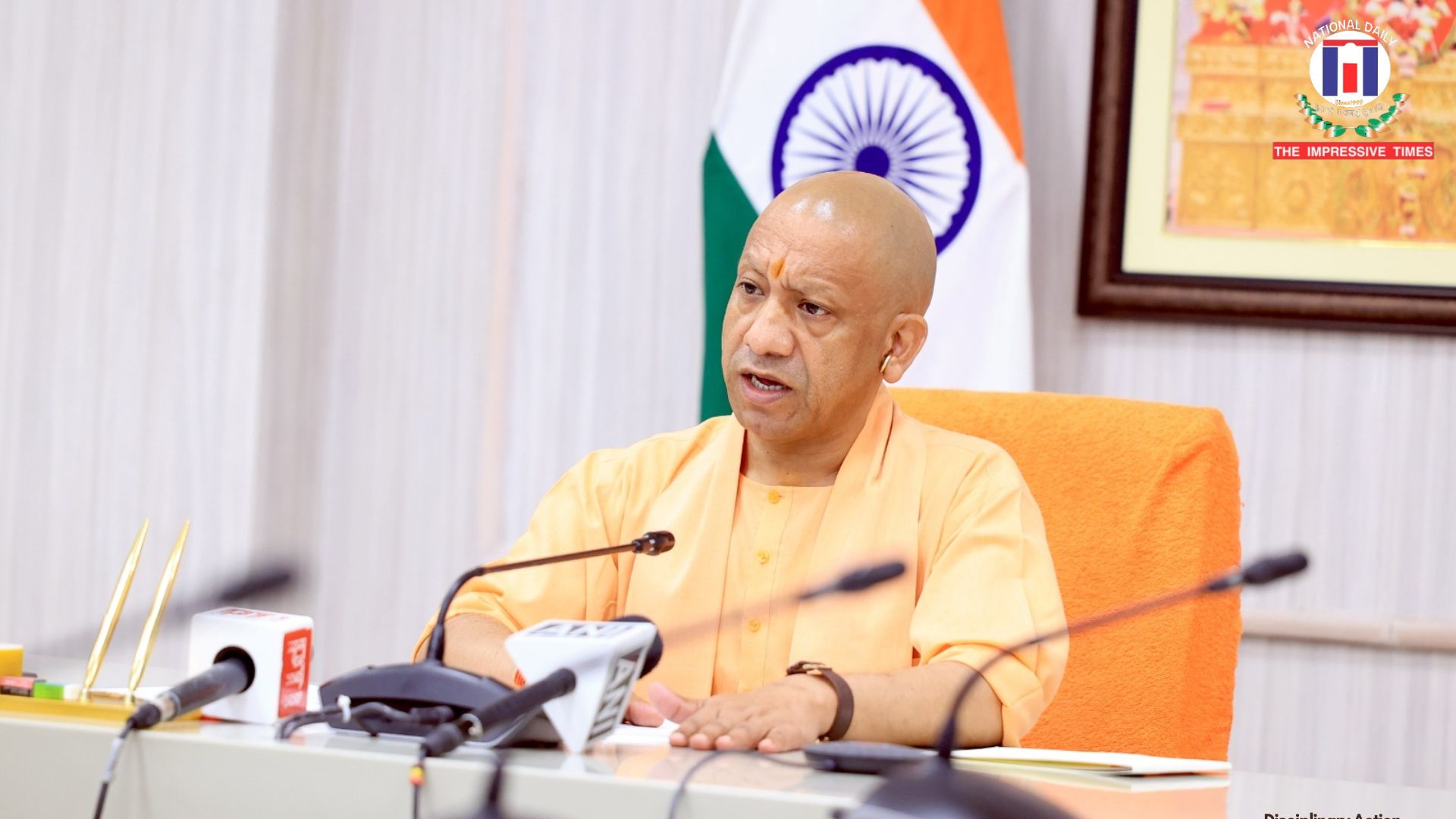
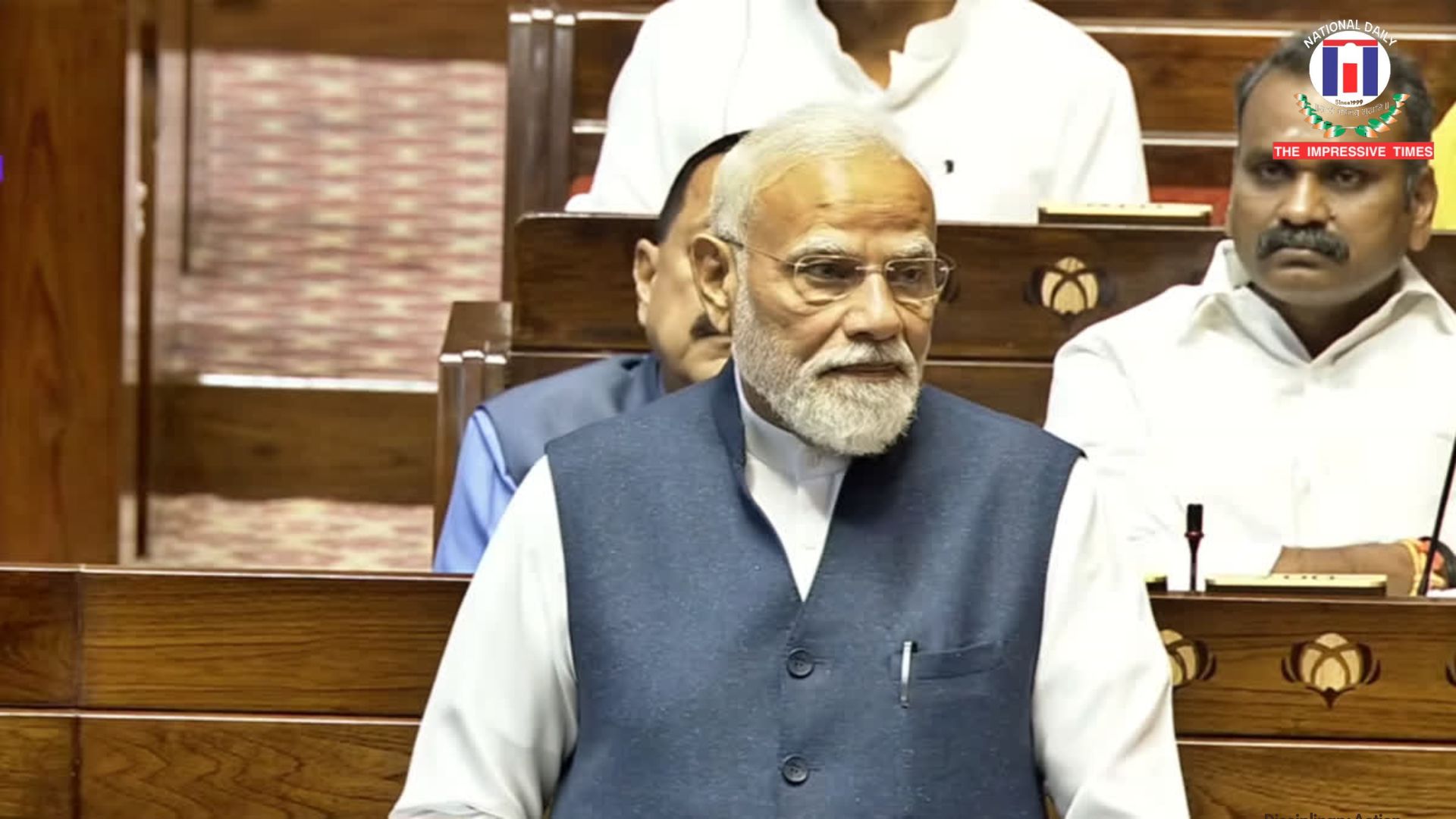
The update was presented in the Rajya Sabha by Union Minister of State (Independent Charge) Jitendra Singh, outlining India’s ongoing efforts to strengthen its capabilities in deep-sea exploration and resource utilisation.



































No Comments: