New GST Rates Set to Boost Heavy Industries and Automobile Sector
New GST rates reduce taxes on automobiles, tractors, buses & components, boosting demand, MSMEs, jobs, and Make in India in the heavy industries sector.


 The Impressive Times
New Delhi, September 8, 2025 – The Ministry of Heavy Industries has announced revised GST rates across various segments of the automobile and heavy industries, expected to create a significant positive impact on production, sales, and employment. These changes aim to stimulate demand, encourage new investments, support MSMEs, and enhance financial inclusion.
Automobiles: GST rates have been reduced across multiple vehicle categories to make them more affordable and accessible:
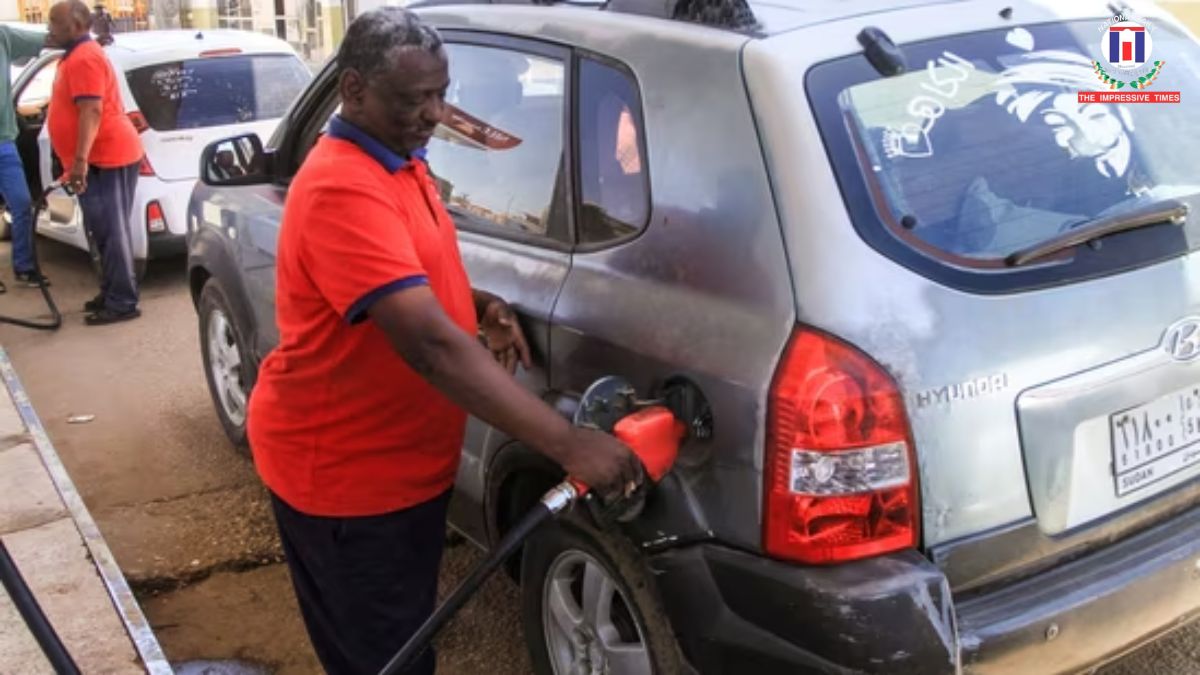
Two-wheelers (up to 350cc): GST reduced from 28% to 18%, lowering costs for youth, rural, and semi-urban consumers. This move is expected to benefit farmers, gig workers, small traders, and daily wage earners, while also boosting savings through lower EMIs.
Small cars (<1200cc petrol, <1500cc diesel): GST lowered from 28% to 18%, encouraging first-time buyers and expanding household mobility, especially in smaller towns and cities.
Large cars: Flattened at 40% with the removal of additional cess, simplifying taxation and making luxury cars more affordable while enabling full input tax credit utilization.
Tractors (<1800cc): GST reduced from 12% to 5%; road tractors (>1800cc) from 28% to 18%; tractor parts at 5%. This will enhance mechanization in agriculture, improving productivity and reinforcing India’s position as a global tractor manufacturing hub.
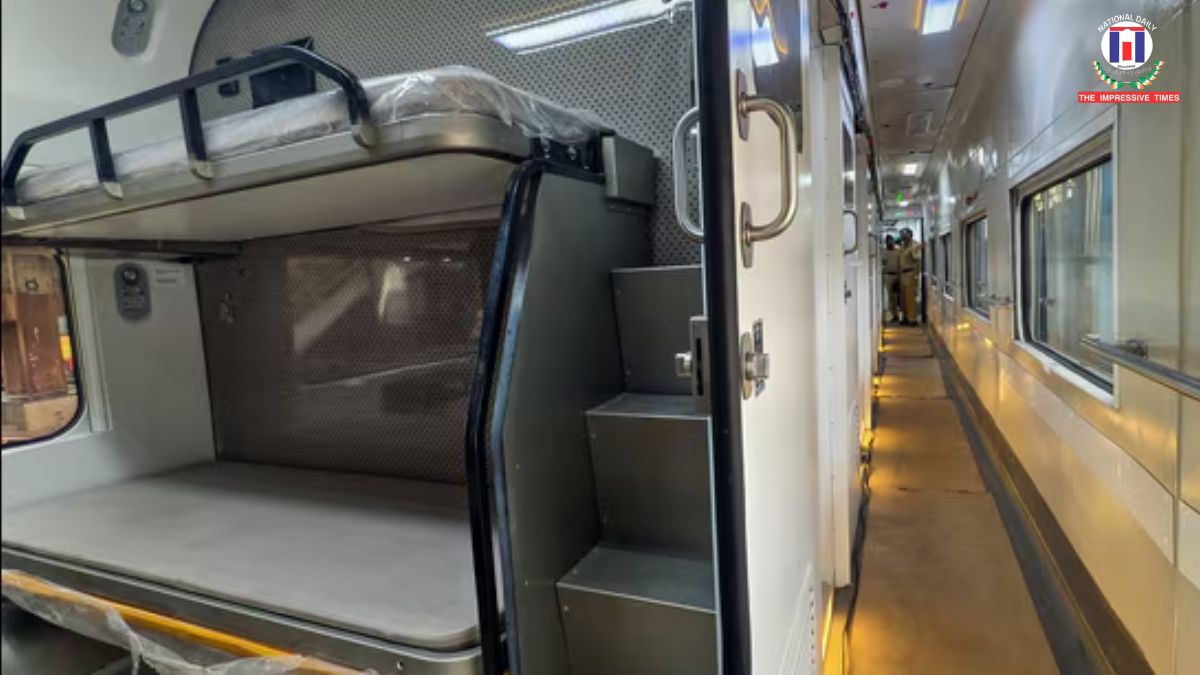
Buses (10+ seats): GST cut from 28% to 18%, lowering upfront costs for fleet operators, schools, tour operators, and state transport undertakings, while enabling affordable fares for passengers.
Commercial goods vehicles (trucks, delivery vans): GST reduced from 28% to 18%, lowering freight costs, supporting MSME truck owners, and enhancing competitiveness in agri, FMCG, steel, cement, and e-commerce supply chains. Third-party insurance for goods vehicles is also covered, aligning with PM Gati Shakti and National Logistics Policy goals.
Auto Components & Transport Services: Most components for cars and bikes will now attract 18% GST. Transport services for goods and passengers have been rationalized to 5% or 18%, ensuring proper input tax credit and avoiding cascading effects.
Economic and Employment Impact: Lower GST is expected to boost vehicle sales, increasing demand for tyres, batteries, steel, plastics, and electronics, generating a multiplier effect for ancillary MSMEs. Direct and indirect employment in manufacturing, sales, logistics, dealerships, and informal sectors such as mechanics and drivers will also benefit. Credit-driven purchases will support retail loan growth and financial inclusion, particularly in semi-urban areas.
The policy revisions encourage Make in India, cleaner mobility through fuel-efficient vehicle replacement, and provide long-term investment certainty for the automobile and heavy industries ecosystem.






































No Comments: