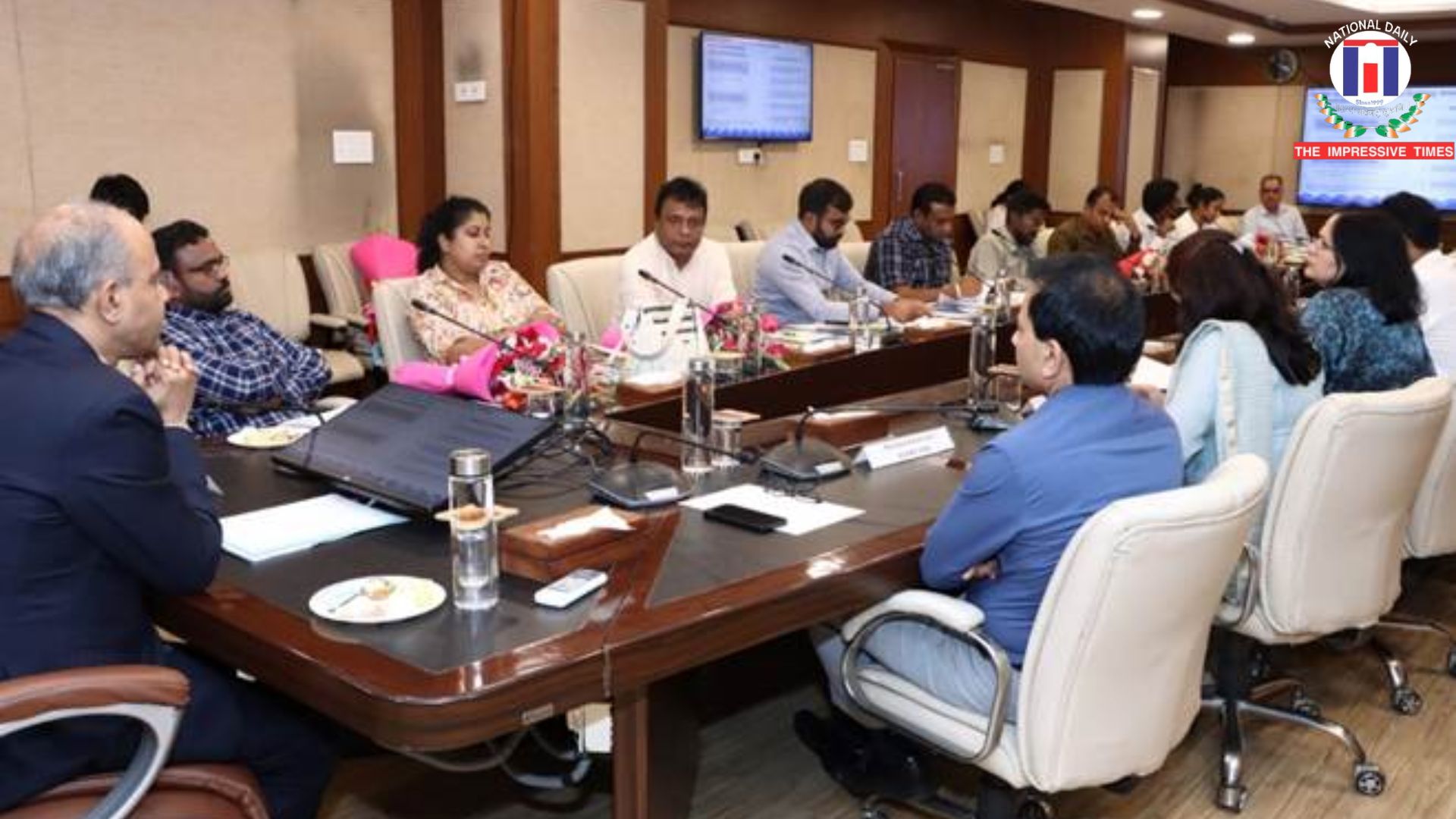
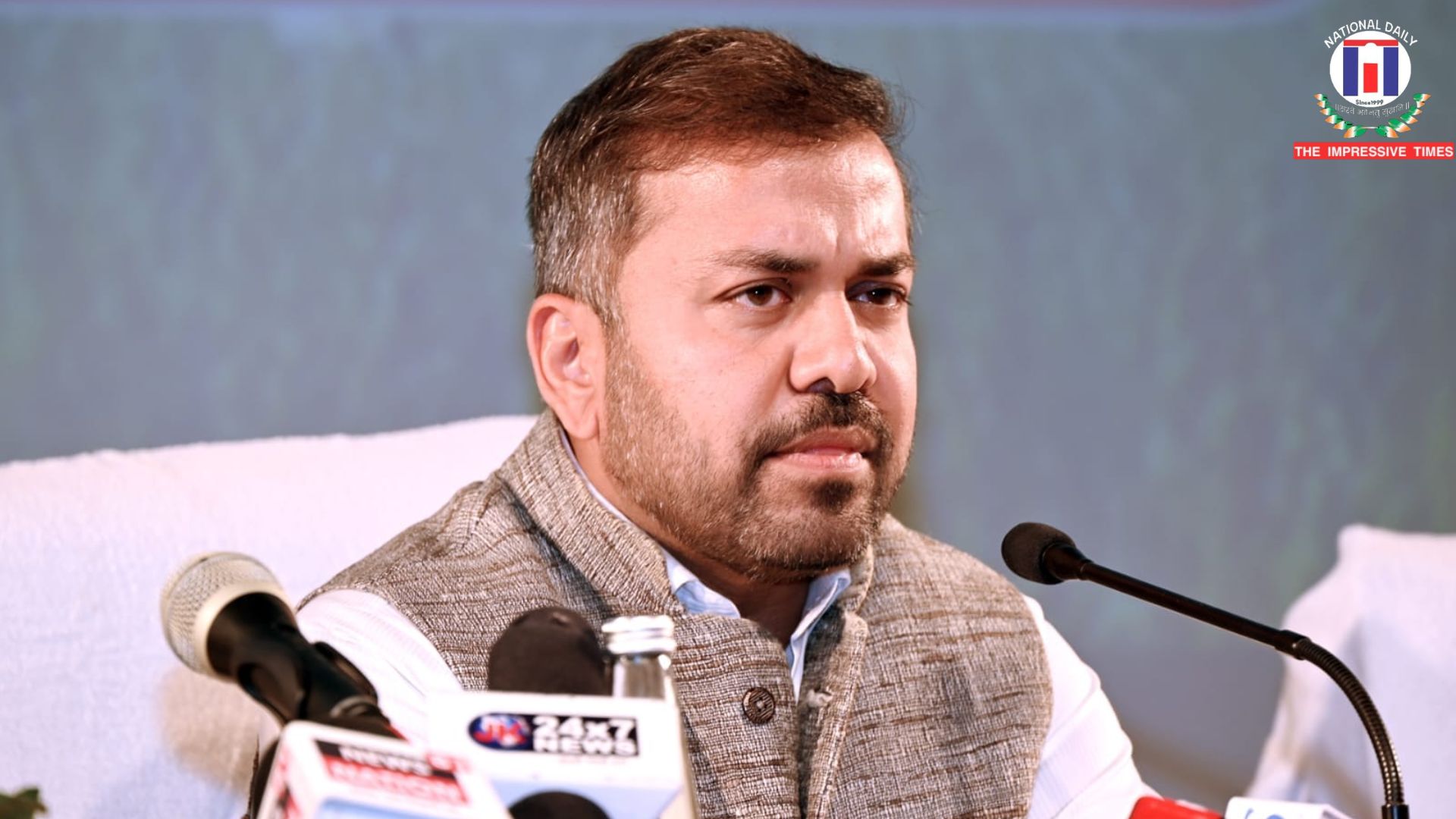
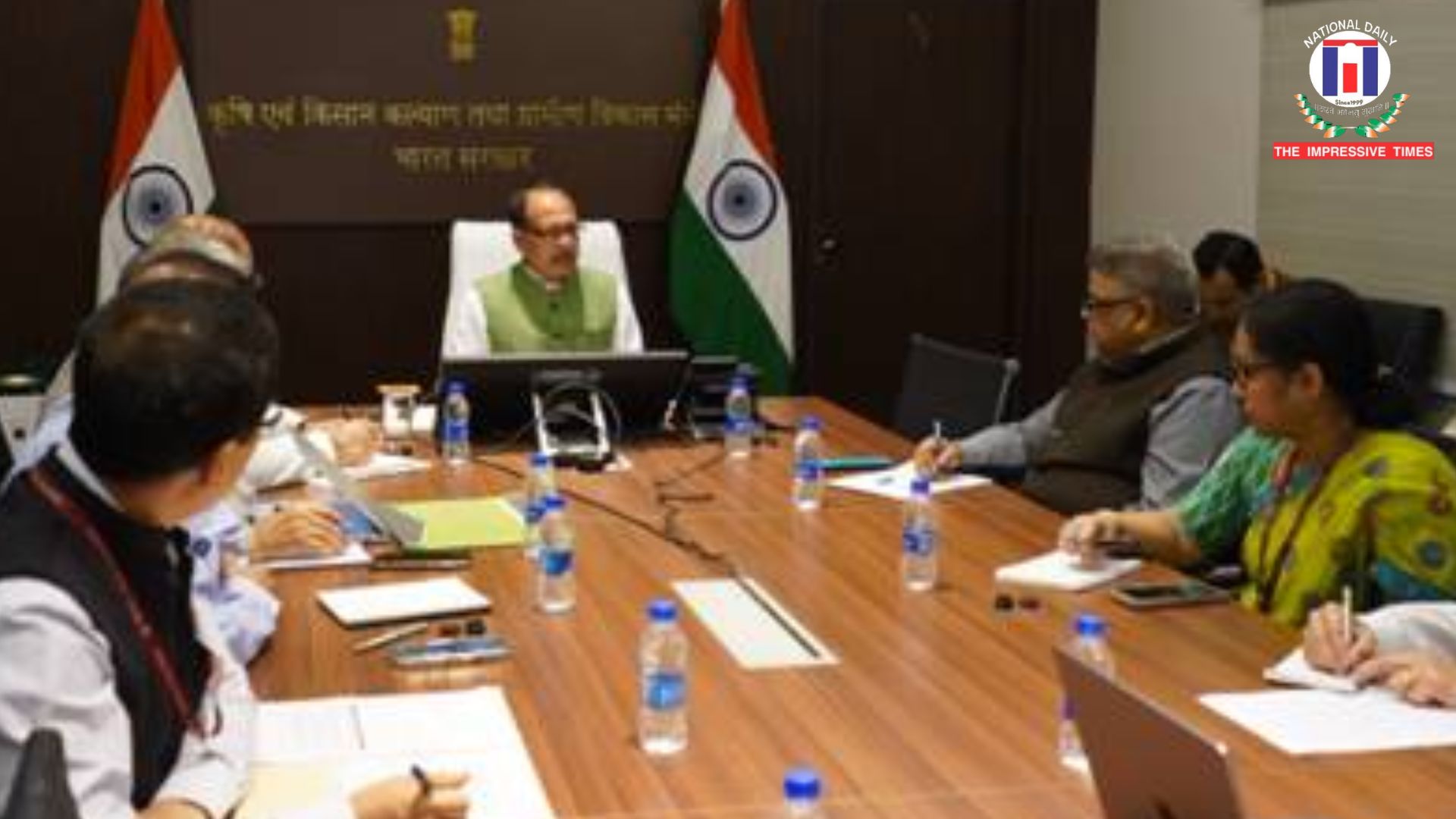
New Delhi : A high-level parliamentary delegation from Sri Lanka visited the Department of Drinking Water and Sanitation (DDWS) under the Ministry of Jal Shakti as part of a week-long study tour to understand India’s flagship rural water and sanitation initiatives.
The delegation, led by S. M. Marikkar, was briefed on the progress and implementation strategies of the Jal Jeevan Mission and Swachh Bharat Mission-Grameen.
During the session, DDWS Secretary Ashok K. K. Meena подчеркнул the importance of decentralised governance, noting that large national programmes in India are implemented with active participation of Gram Panchayats to ensure last-mile service delivery. He highlighted four key pillars of India’s approach—community ownership, inter-departmental convergence, technology-driven transparency, and sustainability.
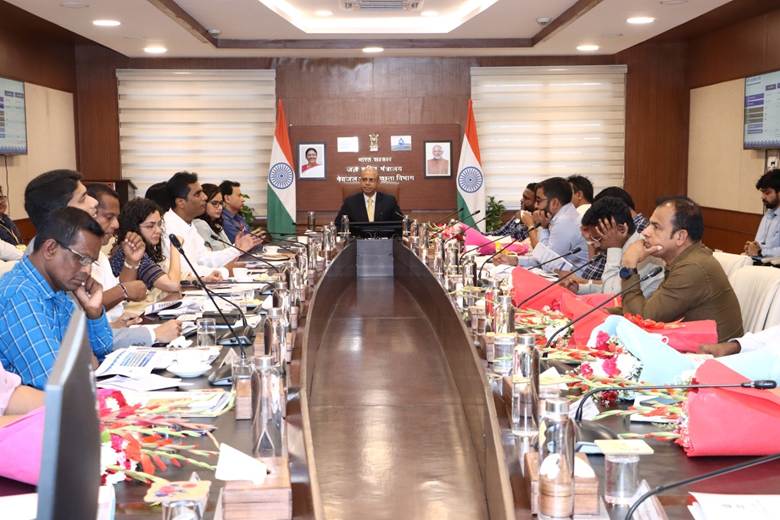
Officials shared that since its launch in 2019, the Jal Jeevan Mission has significantly expanded rural tap water coverage from 17 per cent to over 82 per cent, providing functional household tap connections to more than 15 crore homes. The upcoming JJM 2.0 phase will focus on long-term sustainability, operational efficiency, and continued community participation.
On sanitation, the Swachh Bharat Mission–Grameen was presented as a major success story, having achieved 100 per cent open defecation free (ODF) status by 2019 through a mass people’s movement. The programme is now in its second phase, focusing on sustaining ODF gains and advancing waste management to create ODF Plus villages.
The Sri Lankan delegation engaged in detailed discussions, sharing challenges related to water contamination, particularly due to heavy metals, and the high cost of water treatment. They sought India’s support in developing cost-effective and sustainable solutions for water purification and management.
The visit concluded with both sides expressing optimism about strengthening cooperation in the water and sanitation sectors through knowledge exchange and collaborative innovation, reinforcing the shared commitment to improving public health and rural infrastructure.



















No Comments: