Patna: Bihar is set to take a major step towards technology-driven healthcare, with the state government focusing on the integration of Artificial Intelligence (AI) across its healthcare delivery system. The initiative aims to make medical services more accessible, efficient and transparent, particularly for people living in rural and underserved areas.
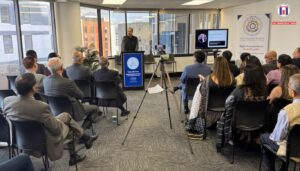
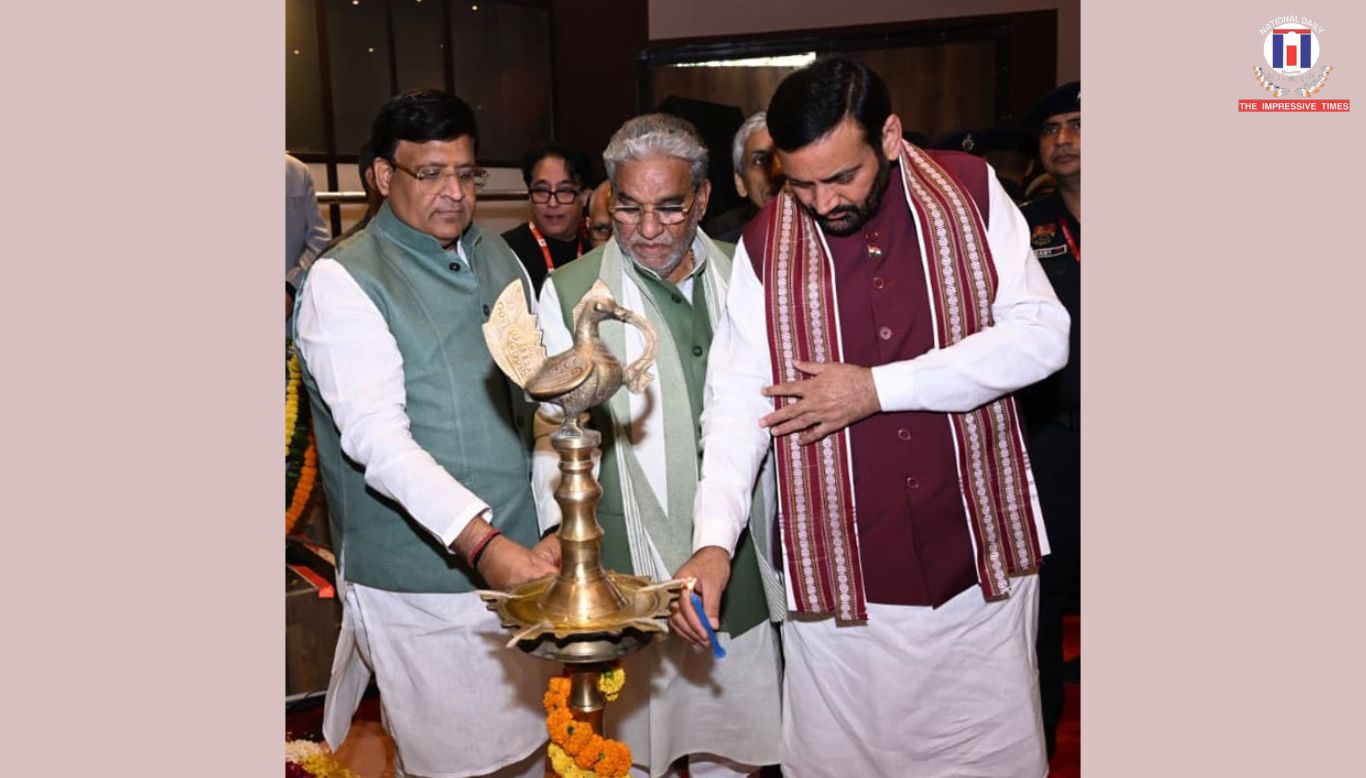
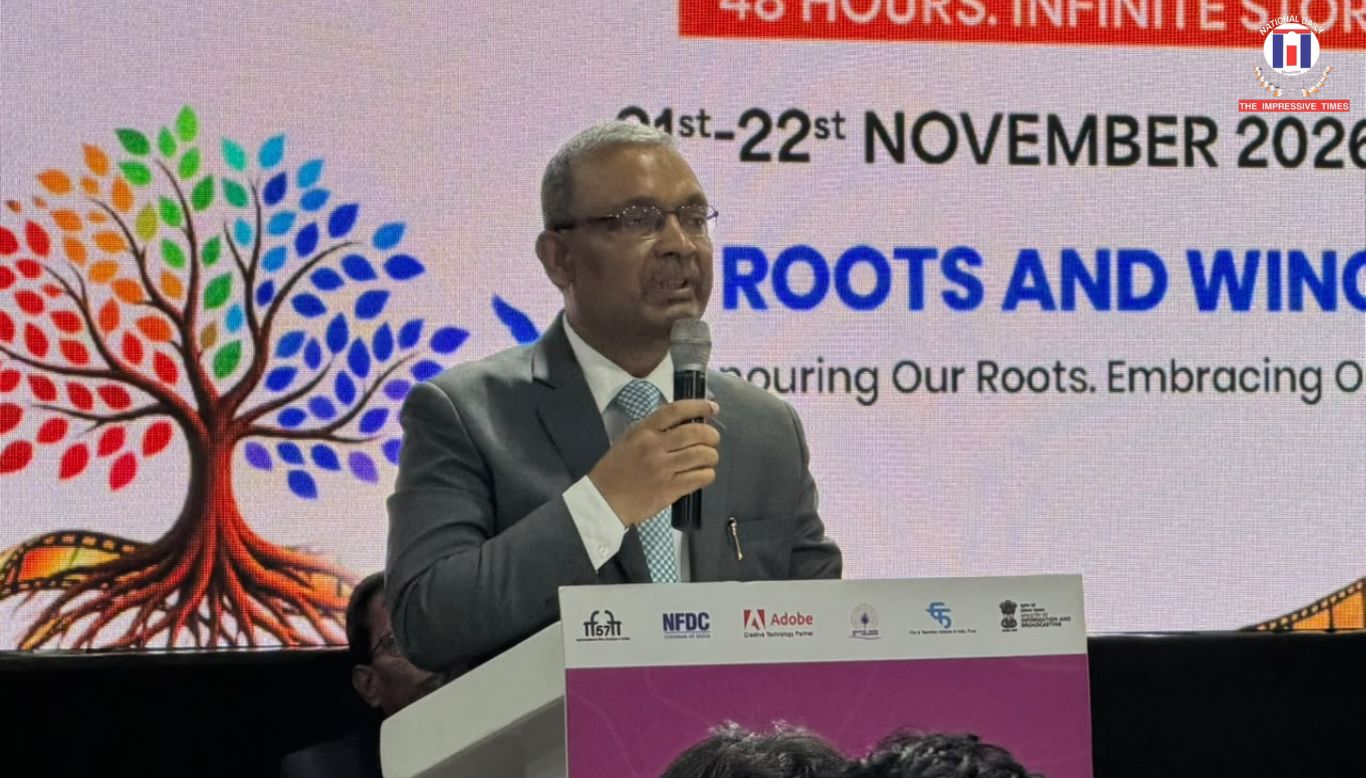
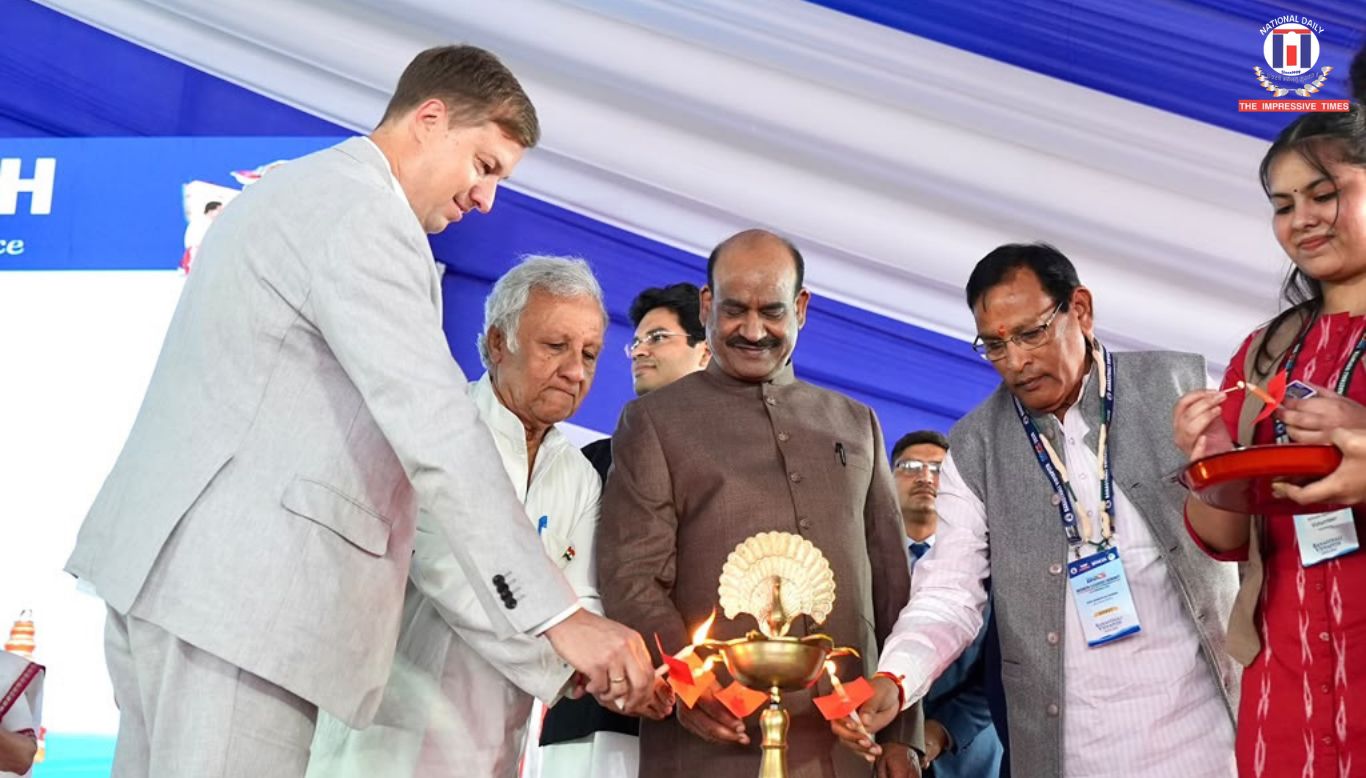
The roadmap was outlined by Bihar Health Minister Nishant at a one-day workshop titled ‘AI for a Healthier Bihar: From Innovation to Impact’, organised by the Bihar Health Department in collaboration with the Gates Foundation at Hotel Taj City Centre in Patna. During the workshop, the minister shared his vision for integrating AI into various aspects of healthcare, including medicine supply management, diagnostic services, doctors’ availability, telemedicine, hospital bed management and emergency ambulance services. Emphasising that building hospitals alone cannot be the ultimate goal, Nishant said the government is committed to connecting healthcare infrastructure with modern technology so that even economically weaker patients in remote rural areas can access quality medical care. He stressed that AI should ultimately deliver tangible benefits to ordinary citizens.
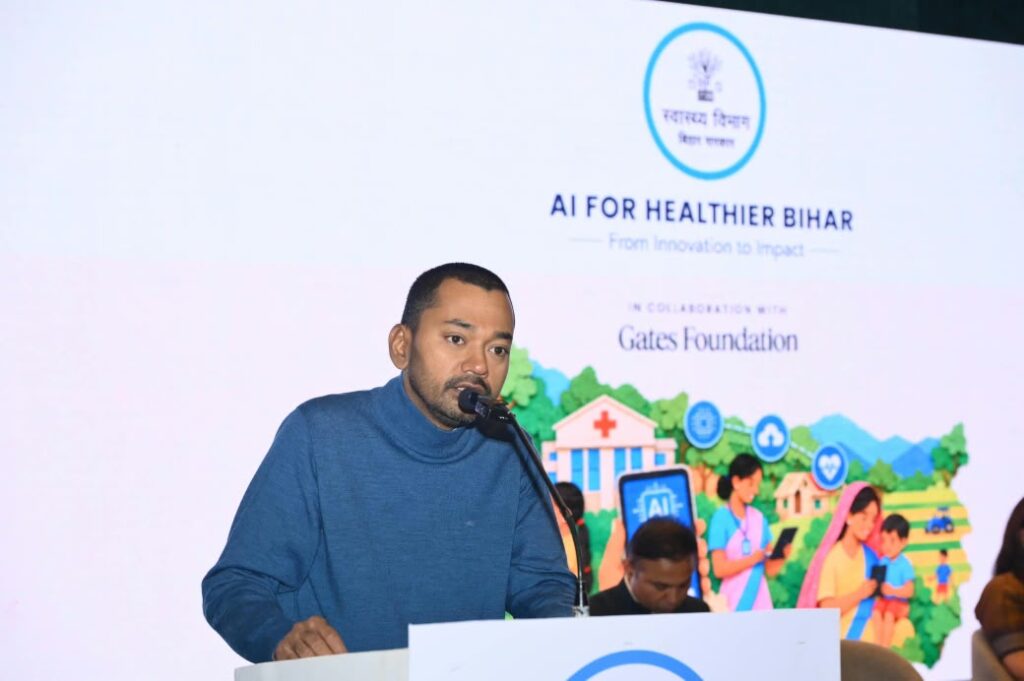
AI to Strengthen Healthcare Delivery in Rural Areas
The Health Minister said AI could play a significant role in improving the quality of healthcare, addressing the shortage of doctors, expanding access to specialists in rural areas and strengthening the monitoring of government health institutions. The government’s objective, he said, is to ensure that people living in rural Bihar receive healthcare facilities comparable to those available in urban centres. This would require timely diagnostic services, early detection of diseases, accurate diagnosis and prompt treatment. He also emphasised the need to use AI for forecasting medicine requirements, monitoring supplies and maintaining stock availability. Technologies such as barcodes, QR codes, batch numbers and clinical data could help track the authenticity of medicines, monitor the supply chain and identify suspicious supplies or irregularities.
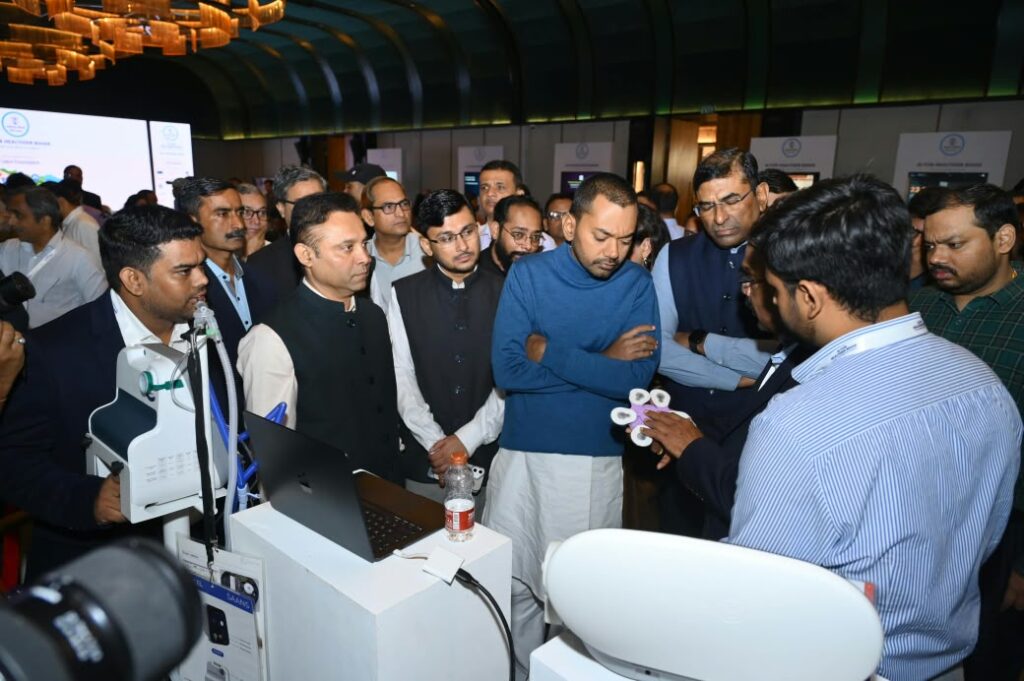
AI to Assist in X-Ray, CT Scan and MRI Analysis
Highlighting the potential of AI in diagnostic services, Nishant said that advanced medical imaging facilities, including CT scans, MRI and ultrasound, as well as X-ray examinations, should be integrated with AI-based technologies. Nishant explained that if an X-ray is conducted at a rural health facility, AI could help identify preliminary signs of possible diseases. This could support the early detection of conditions such as tuberculosis and cancer, enabling patients to undergo further investigations and begin treatment without unnecessary delays. The minister also called for an audit of diagnostic equipment available at medical college hospitals and district hospitals to assess their availability, utilisation and operational status. AI-assisted analysis, he said, could make the interpretation of diagnostic reports more effective.
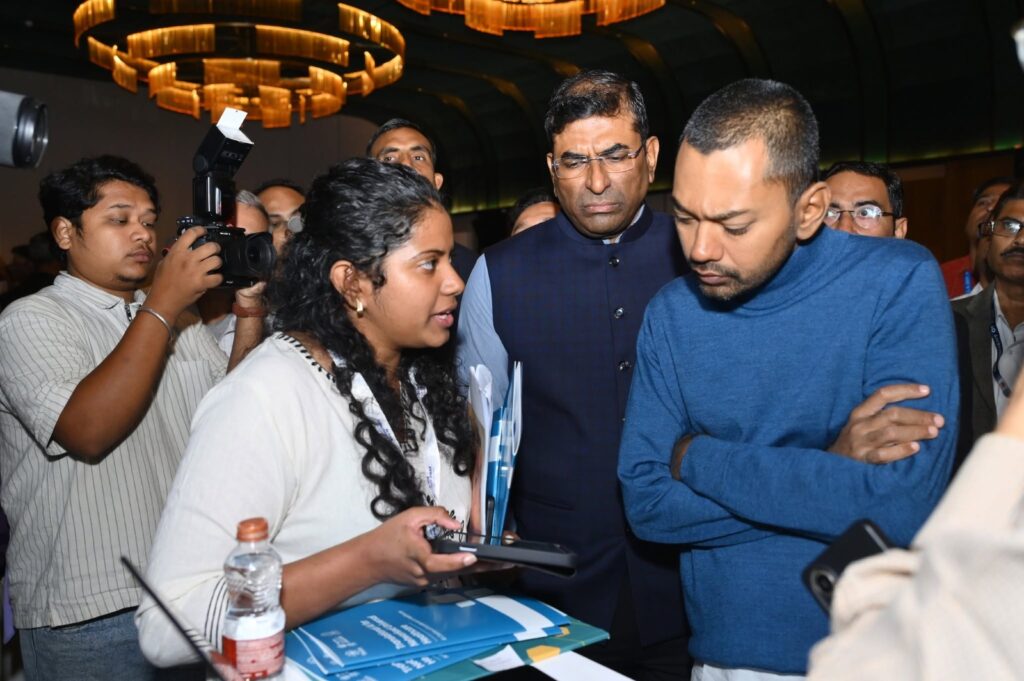
Telemedicine to Connect Rural Patients with Specialist Doctors
Addressing the shortage of specialist doctors in rural Bihar, the minister said AI-enabled telemedicine could significantly improve access to expert medical consultations. For economically weaker families, travelling to major cities for specialist treatment often involves considerable financial and logistical difficulties. By integrating AI with telemedicine services, patients could receive consultations from specialist doctors at nearby health centres, reducing unnecessary travel and expenses while improving access to timely medical advice.
Real-Time Online Information on Hospital Bed Availability
The Health Minister also stressed the need to digitise hospital bed management so that patients and their families can access real-time information about available beds in general wards, Intensive Care Units (ICUs), High Dependency Units (HDUs) and other critical care facilities. He said he had recently discussed the matter with the Director of IGIMS and suggested developing a technological system that could provide real-time information about occupied and vacant beds. The information should be displayed within hospitals as well as made available online, allowing people to check bed availability through their mobile phones.
Explaining the importance of such a system, Nishant cited the example of a critically ill patient referred from a district hospital to PMCH in Patna. If the patient reaches the hospital only to discover that no bed or relevant specialist is available, valuable time is lost and the family faces additional difficulties. A digital system providing advance information about bed availability, ICU facilities and specialist doctors could help referring hospitals identify the most suitable destination before transferring a patient. This would save crucial time and improve the chances of timely treatment for critically ill patients.
Bihar to Introduce Smart Ambulances, Pilot Project with 2–4 Vehicles
In a significant announcement, Nishant shared plans to introduce AI-enabled smart ambulances in Bihar. These vehicles are expected to be equipped with digital ECG machines, pulse, blood pressure and oxygen monitoring systems, along with GPS-based live tracking and digital connectivity with hospitals. The proposed system would also include AI-assisted assessment of a patient’s condition and video consultations with specialist doctors. Digital medical reports generated inside the ambulance could be transmitted to the receiving hospital in advance, enabling doctors to prepare for treatment before the patient arrives.
The minister said discussions had already taken place with the Director of IGIMS and technical experts regarding the initiative. In the initial phase, the department is planning to launch a pilot project with two to four smart ambulances to assess the feasibility and effectiveness of the system. The objective is to ensure that ambulances reach patients as quickly as possible during road accidents and other medical emergencies, while providing essential medical assistance during transportation.
| Smart Ambulance Features |
Proposed Facilities |
| Medical Monitoring |
Digital ECG, pulse, blood pressure and oxygen monitoring |
| Live Tracking |
GPS-based ambulance tracking |
| Medical Consultation |
Video consultations with specialist doctors |
| Digital Connectivity |
Advance transmission of medical reports to hospitals |
| Initial Pilot |
Two to four smart ambulances |
AI to Identify Hospitals with Available Trauma Beds and Specialists
The minister further stressed the need to connect smart ambulances with trauma centres and super-speciality hospitals. He explained that following an accident, ambulances are dispatched through emergency helplines such as 102, 104, 112 and 1033. Paramedical staff then assess the patient’s vital parameters, including blood pressure, oxygen saturation and pulse. If these details are integrated into an AI-based system, it could help generate an initial assessment of the patient’s condition and potential medical risks. The system could then identify nearby hospitals with available trauma beds, ICU facilities, CT scan and MRI services, as well as the required specialist and super-speciality doctors. Based on this information, the ambulance team could identify the most appropriate hospital for the patient and share advance medical information with its emergency department.
The minister said the aim is to develop a system in which hospitals can complete essential preparations for treatment even before a patient arrives. He reiterated that the use of AI should not remain limited to technological innovation but must translate into better healthcare outcomes for the people of Bihar. Calling for collective commitment, Nishant urged stakeholders to work towards making Bihar’s healthcare system more modern, accessible, transparent and people-centric through the effective use of Artificial Intelligence.
Health Department Officials and Experts Attend Workshop
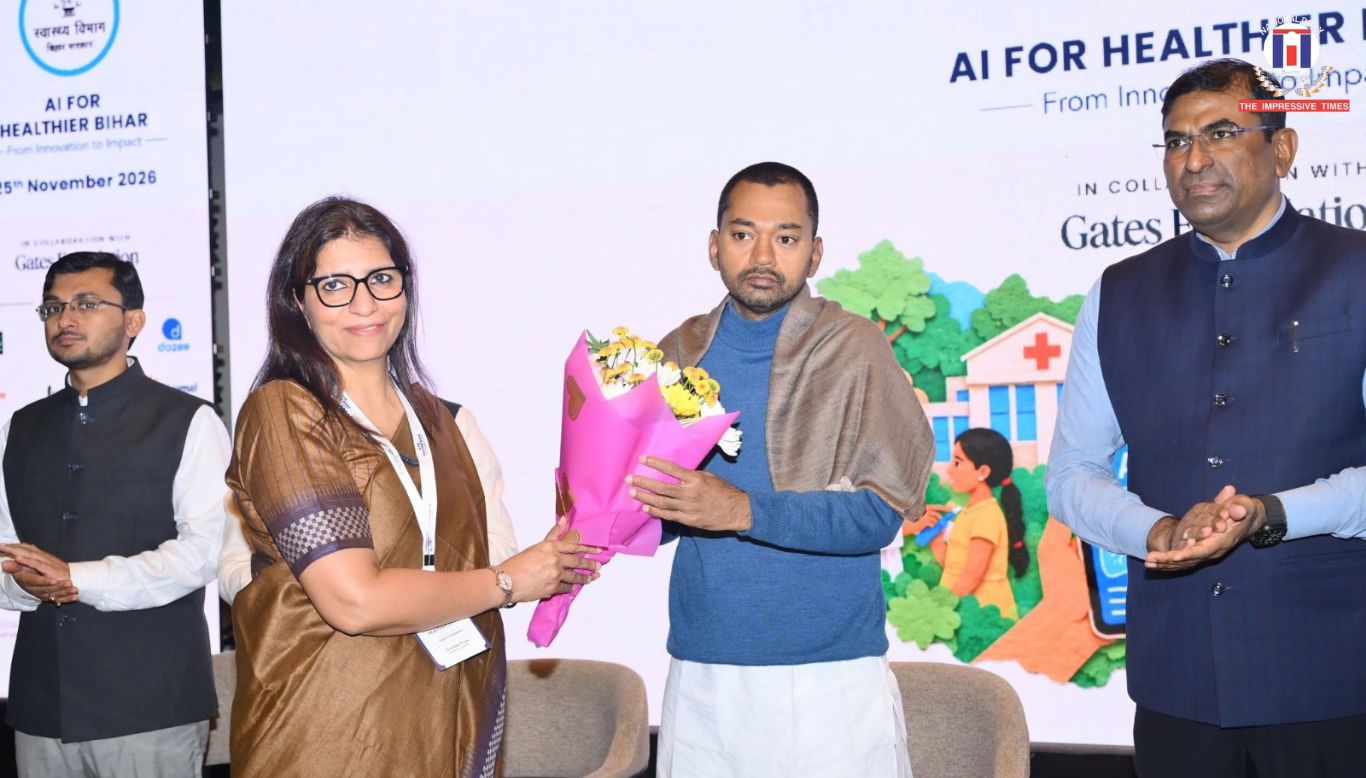
The workshop was attended by Bihar Health Secretary Kumar Ravi, Archana Vyas, Director of the Gates Foundation’s India office, other foundation representatives, innovation and technology experts from India and abroad, along with officials from the Health Department, doctors, nurses, technicians, ANMs and ASHA workers.






















No Comments: