Sikkim Set to Get First Rail Link as Indian Railways Completes Excavation of 5.3-Km Tunnel
Excavation Completed in All 14 Tunnels, Marking a Major Milestone Towards Sikkim’s Railway Connectivity

 The Impressive Times
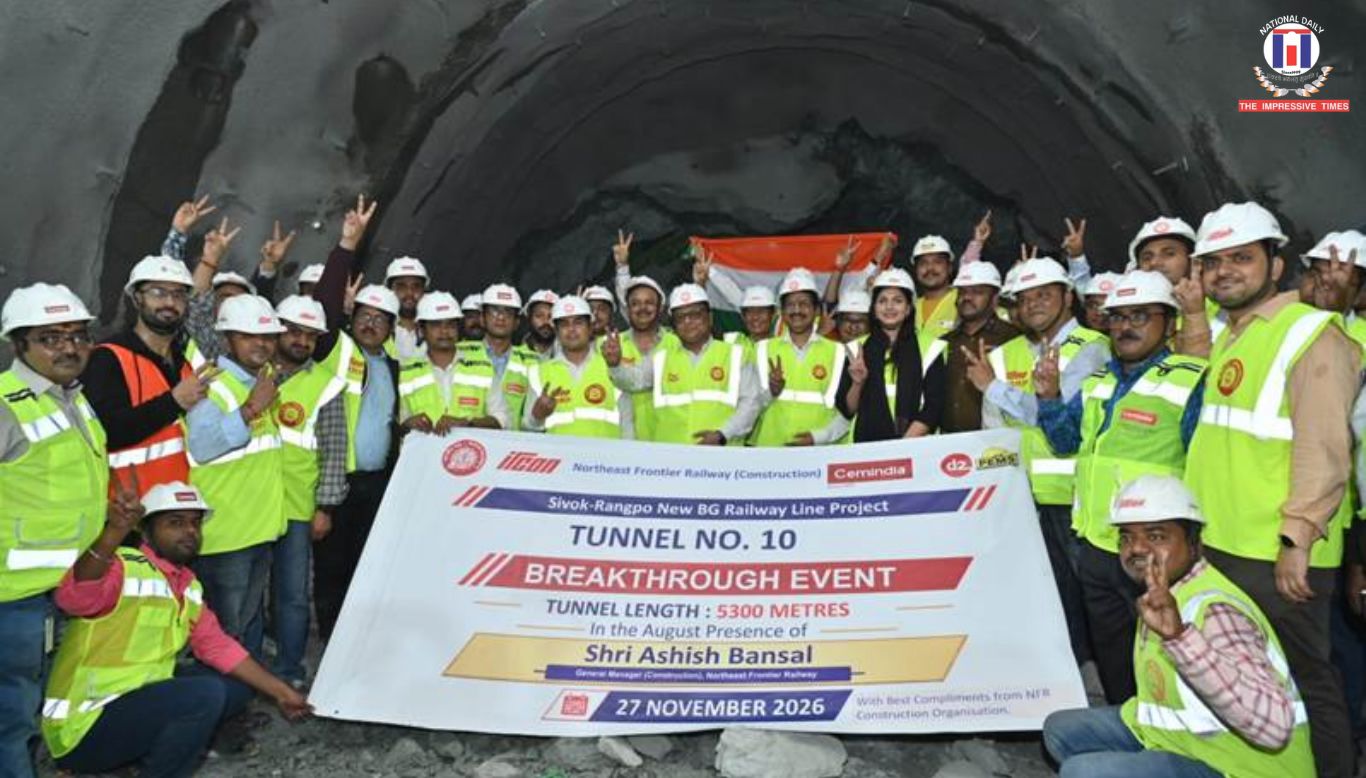
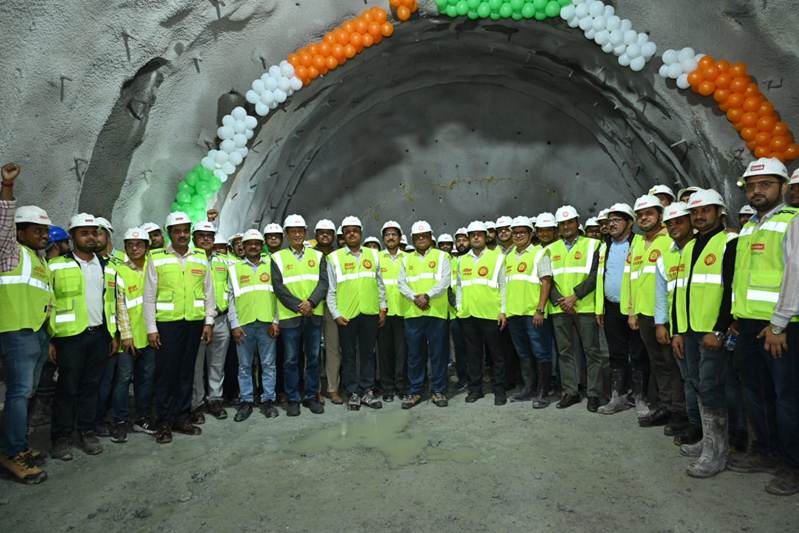
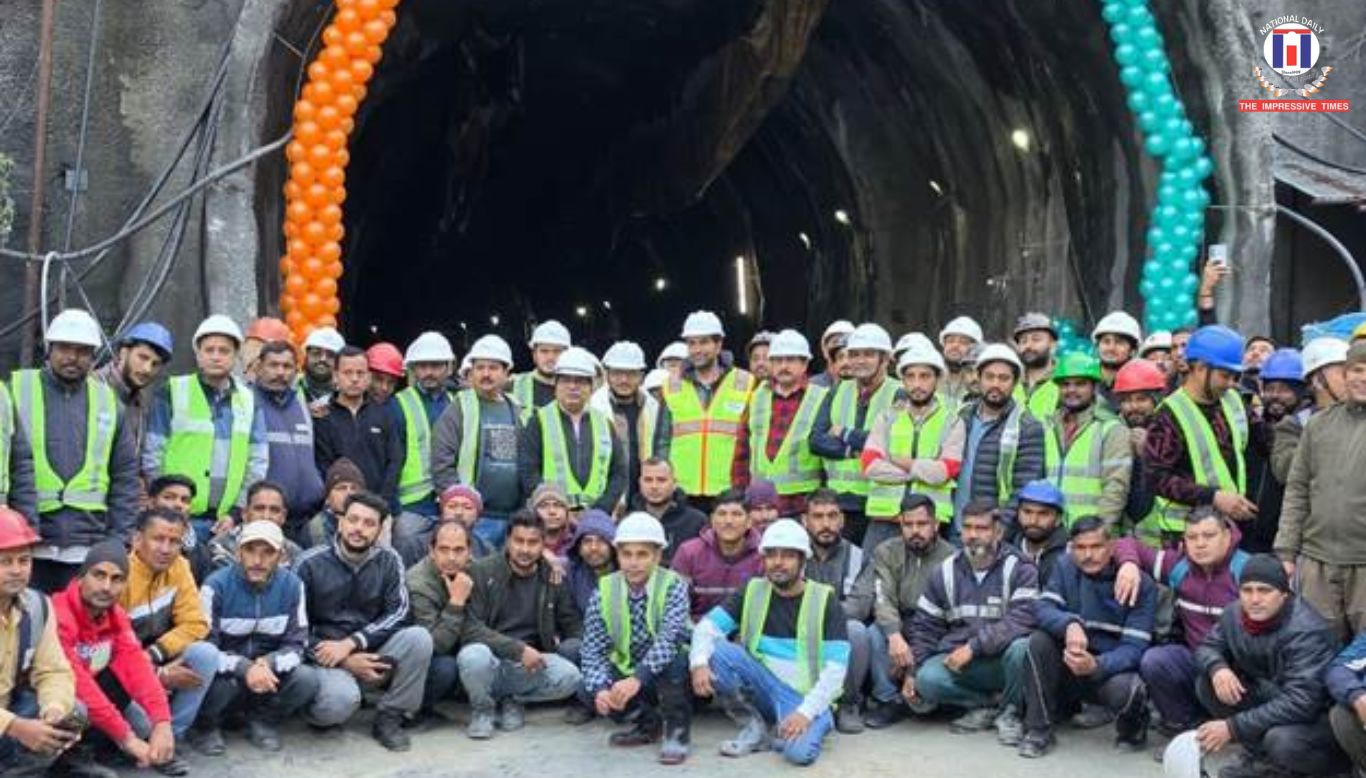
New Delhi: Sikkim’s long-awaited connection to India’s railway network has moved a step closer to reality as Indian Railways completes excavation work on all 14 tunnels of the Sivok-Rangpo railway project. The latest breakthrough came on November 27, 2026, when engineers successfully completed excavation of Tunnel No. 10, the project’s longest tunnel, measuring 5.3 kilometres.
The achievement marks a significant step forward in the construction of the strategically important railway line, which will connect Sikkim with the national rail network for the first time.
| Total railway corridor | 45 kilometres |
| Total tunnels | 14 |
| Longest tunnel | 5.3 kilometres |
| Bridges | 23 |
Tunnel No. 10 presented a major engineering challenge due to the difficult Himalayan terrain. Excavation was undertaken simultaneously from both ends of the tunnel, along with two additional access tunnels. The breakthrough was achieved after the excavation teams successfully connected the different sections.
ENGINEERING MILESTONE
5.3-km Tunnel No. 10 marks the completion of excavation work on all 14 tunnels of the Sivok-Rangpo railway project.
With excavation now complete, construction teams will focus on the next stages, including tunnel lining, track installation and the deployment of essential railway safety infrastructure.
The 45-kilometre Sivok-Rangpo broad gauge railway line passes through Darjeeling and Kalimpong districts of West Bengal and Pakyong district of Sikkim. The route is particularly challenging, with tunnels accounting for nearly 86 per cent of its total length.
Apart from 14 tunnels, the project features 23 bridges and will include stations at Sivok, Riyang, Melli and Rangpo, as well as an underground halt at Teesta Bazaar. At Sivok, the new railway line will connect with the existing New Jalpaiguri-Alipurduar railway route, providing a link to the wider Indian railway network.
RAILWAY CONNECTIVITY
The route will connect Sivok in West Bengal with Rangpo in Sikkim, with stations at Riyang and Melli and an underground halt at Teesta Bazaar.
Once operational, the railway line is expected to transform connectivity to Sikkim by offering residents and tourists a safer, faster and more dependable travel option compared to National Highway 10.
The new rail corridor will also improve the transportation of essential commodities, strengthen market access for local businesses and create fresh opportunities for tourism and economic development in the region.
WHAT THE PROJECT MEANS
The railway corridor is expected to improve passenger travel, facilitate transportation of essential goods, strengthen local businesses and support tourism and economic development in Sikkim.
The completion of excavation across all 14 tunnels represents an important achievement for Indian Railways and brings the long-awaited railway connectivity to Sikkim closer to completion.

































No Comments: