Not Working, Still Guilty: How Career Breaks Are Affecting Mental Health
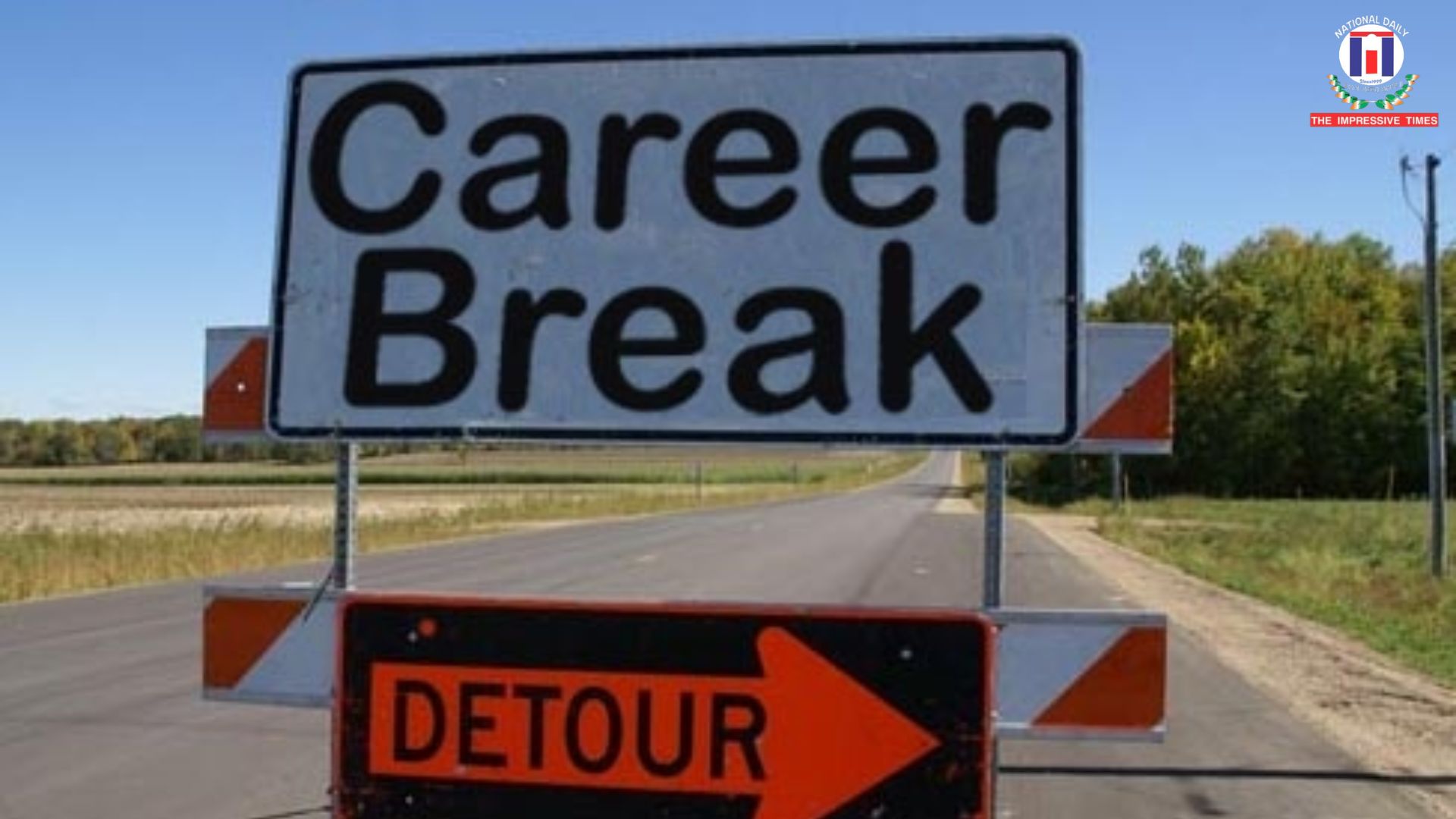
Career break guilt is rising among professionals as hustle culture links self-worth to productivity. Experts explain why taking time off triggers anxiety, how it affects mental health, and why rest is not career failure.
TIT Correspondent
info@impressivetimes.com
Taking a break from work was once seen as a sign of balance. Today, it often comes with guilt. Across industries, professionals stepping away from jobs — whether due to burnout, health, layoffs, or personal reasons — are struggling with a growing emotional burden known as career break guilt.
When Rest Starts Feeling Unproductive
In a culture that constantly celebrates hustle and achievement, rest is often misunderstood. Many individuals report feeling anxious or ashamed during career breaks, believing they are “falling behind” while others move ahead. Social media comparisons and constant success narratives intensify this pressure.
Psychologists note that modern work culture has blurred the line between self-worth and productivity, making pauses feel like personal failures.
Why Career Gaps Trigger Self-Doubt
Career breaks challenge the idea of linear success. Fear of losing skills, missing opportunities, or being judged by employers often fuels guilt. For many, silence during a break feels uncomfortable, as they are conditioned to equate busy schedules with value.
Experts say this mindset ignores the reality that mental and physical recovery is essential for long-term performance.
The Mental Health Cost of Ignoring Rest
Mental health professionals warn that suppressing the need for rest can lead to burnout, anxiety, and loss of motivation. Ironically, refusing breaks often results in longer career disruptions due to exhaustion or health issues.
A well-timed pause, experts argue, can improve clarity, creativity, and resilience.
Redefining Success Beyond Constant Work
Changing the narrative around career breaks is crucial. Rest should be seen as a strategic reset rather than a setback. Learning new skills, reflecting on goals, or simply recovering during a break can add long-term value to a career.
Employers are also beginning to recognize that well-rested employees perform better and stay longer.
Why Taking a Break Is Not Quitting
Career breaks do not erase experience or ambition. They reflect awareness, not weakness. As work cultures evolve, acknowledging the importance of rest may be the key to sustainable success.
Sometimes stepping back is not falling behind — it’s preparing to move forward.



























![UEFA Champions League: 10-men United fall 2-0 to Atleti; Viking hold Bayern to 3-3 draw ANI | Updated: Oct 14, 2026 09:08 IST Madrid [Spain], October 14 (ANI): Manchester United’s 2026/27 season is turning out to be a disaster after the club showed promise following Michael Carrick taking the helm of the club in January, as it faced another loss on Tuesday (local time). In its first away fixture for this season’s UEFA Champions League at the Estadio Metropolitano stadium, the Red Devils were handed a 2-0 defeat by Atletico Madrid, causing the club more misery as it also struggles domestically. Pablo Barrios scored inside the opening minute for Atletico before substitute Ademola Lookman sealed the victory late in the second half. Barrios capitalised on an early lapse in Manchester United’s defence to put Atletico ahead within the first 60 seconds of the match. Despite the initial shock of conceding so early, United pushed for an equaliser, with Bryan Mbeumo leading the attack on most occasions without any significant result. The hosts controlled much of the first half with their high-intensity pressing and possession. Alejandro Grimaldo came close to extending the lead with a free kick that struck the woodwork. Manchester United looked to respond after the break but struggled to create any clear chances against Atletico’s defence. Bruno Fernandes came close to equalising in the 70th minute, rattling the crossbar with an effort from distance. ‹› United’s task became more difficult in the 74th minute when defender Leny Yoro received a red card over a reckless challenge on Jonathan David. Atletico made their numerical advantage count five minutes later. Lookman, who had come on as a substitute, reacted quickest after goalkeeper Senne Lammens parried Jonathan David’s initial shot and found the back of the net in the 79th minute to seal the victory. Both teams have now recorded one win and one defeat in the opening stages of the Champions League league phase. Elsewhere, Norwegian side Viking FK held Bayern Munich to a dramatic 3-3 draw in the league phase. Viking mounted a late comeback to earn a draw after Bayern had overturned a two-goal deficit. At the Viking Stadion in Stavanger, Norwegian side Viking FK held Bayern Munich to a 3-3 draw, scoring a dramatic late equaliser after the German side had overturned a two-goal deficit. Gianni Stensness gave Viking an early lead in the second minute with a header from a corner before Peter Christiansen doubled their advantage in the 38th minute. Bayern responded after the break, with Harry Kane scoring twice in the 54th and 60th minutes to level the score. Luis Diaz put the visitors ahead in the 71st minute. However, Bayern were reduced to 10 men three minutes later after Michael Olise received his second yellow card. Viking capitalised on the advantage as Herman Haugen scored in the 90th minute to secure a 3-3 draw. With one win and one draw, Bayern are placed fourth with four points, while Viking are 26th with a draw and a loss. (ANI)](https://impressivetimes.com/wp-content/uploads/2026/10/TIT-Website-Image-4-5.jpg)




















No Comments: