
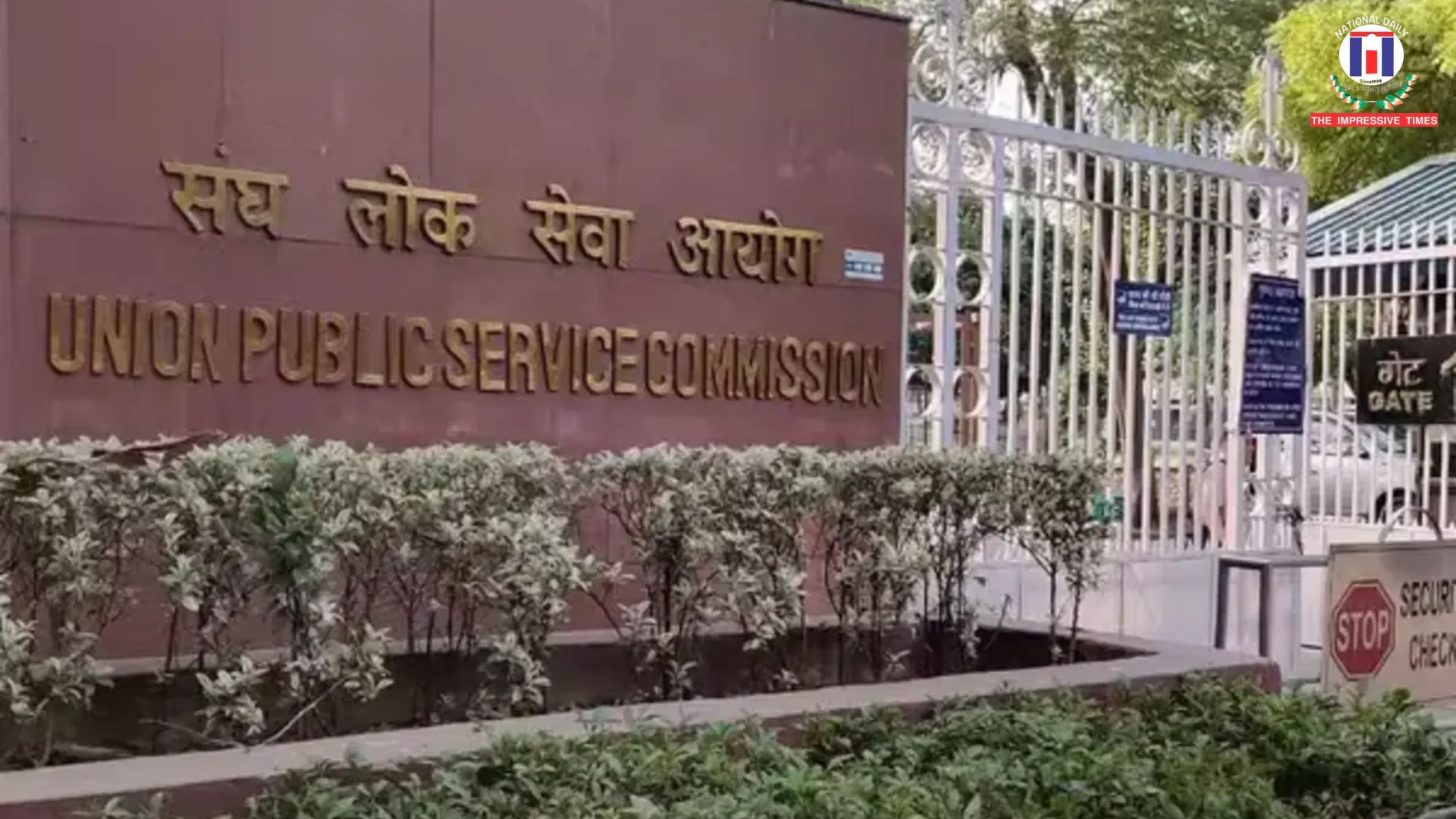

NEW DELHI : In a major step towards making its examinations more inclusive and candidate-friendly, the Union Public Service Commission (UPSC) has introduced a revamped examination centre allocation system for the Civil Services Examination (CSE) 2026 and Indian Forest Service Examination (IFoS) 2026, with special safeguards for Persons with Benchmark Disabilities (PwBD).
The Commission has announced 933 vacancies through CSE 2026 and 80 posts under IFoS 2026. Alongside the notifications, UPSC has unveiled a set of technology-driven reforms aimed at improving accessibility, enhancing transparency, and strengthening examination security.
Guaranteed Centre Access for PwBD Candidates
A key reform is the introduction of a “Centre of Choice” mechanism for PwBD candidates. Under this new framework, there will be no upper limit on the number of PwBD candidates that can be accommodated at any examination centre. While centres will initially admit both PwBD and non-PwBD candidates up to their normal capacity, once this limit is reached, further bookings will be restricted only for non-PwBD applicants. PwBD candidates, however, will continue to be allowed to select the same centre, with additional capacity created wherever necessary.
UPSC Chairman Dr. Ajay Kumar explained that data from recent examinations showed that popular centres such as Delhi, Patna, Lucknow and Cuttack tend to fill up very quickly, often disadvantaging PwBD aspirants. “The revised system ensures that disability is never a barrier in accessing a preferred examination location,” he said, adding that the reform is designed to make the examination experience smoother and less stressful for such candidates.
More Centres to Ease Regional Pressure
To address regional imbalances and overcrowding, UPSC has expanded its examination footprint. For the Preliminary Examination, three new centres—Meerut, Kanpur and Bhubaneswar—have been added, raising the total number from 80 to 83. These locations are expected to reduce pressure on heavily subscribed hubs like Delhi, Lucknow and Cuttack.
Similarly, the number of centres for the Mains Examination has gone up from 24 to 27 with the inclusion of Bhubaneswar, Srinagar and Imphal, improving geographical spread and accessibility for candidates from different regions.
Smarter Planning Through Candidate Feedback
The newly redesigned Online Application Portal now includes a feature that allows candidates to indicate nearby cities they would prefer as examination centres, even if those cities are not currently notified. According to UPSC, this information will function as a preference survey and help the Commission identify potential new centres for future examinations, subject to feasibility.
Enhanced Security and Verification
To further safeguard the integrity of the examination process, UPSC has integrated advanced photo verification and facial recognition tools into the application and examination workflow. These measures are intended to strengthen identity verification at multiple stages and reinforce trust in the system.
Dr. Ajay Kumar подчеркed that the Commission’s broader objective is to conduct examinations that are “fair, transparent, inclusive and merit-based,” while leveraging modern technology to improve ease of participation for candidates.
These reforms have been introduced as part of UPSC’s centenary-year initiatives and underline the Commission’s effort to modernise its processes without compromising on its long-standing principles of fairness and credibility.































No Comments: