Union Health Minister J.P. Nadda Launches Indian Pharmacopoeia 2026, Strengthening India’s Global Pharma Leadership
Indian Pharmacopoeia 2026 Expands Coverage of Anti-TB, Anti-Diabetic and Anti-Cancer Medicines with 121 New Monographs

 The Impressive Times
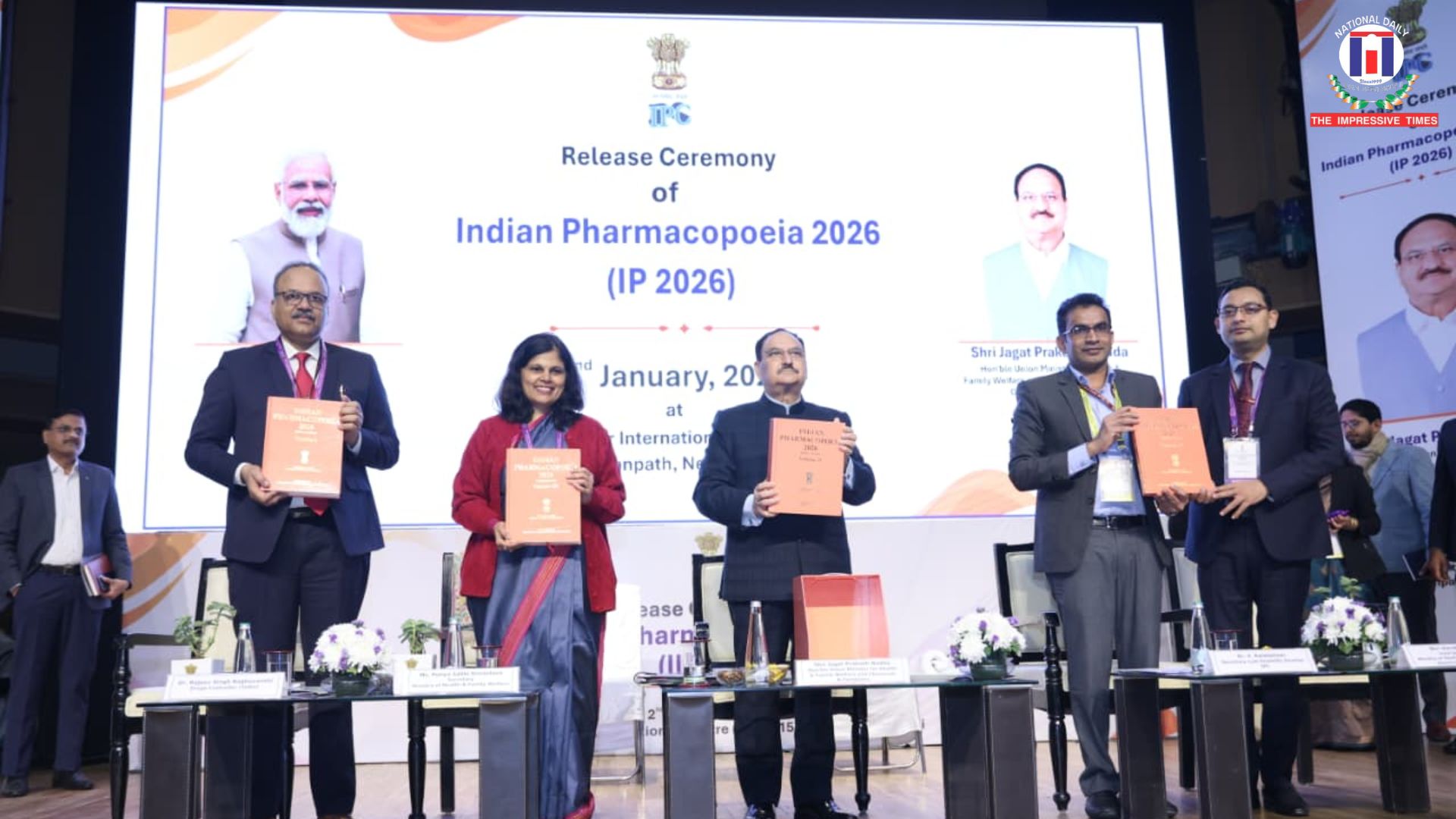
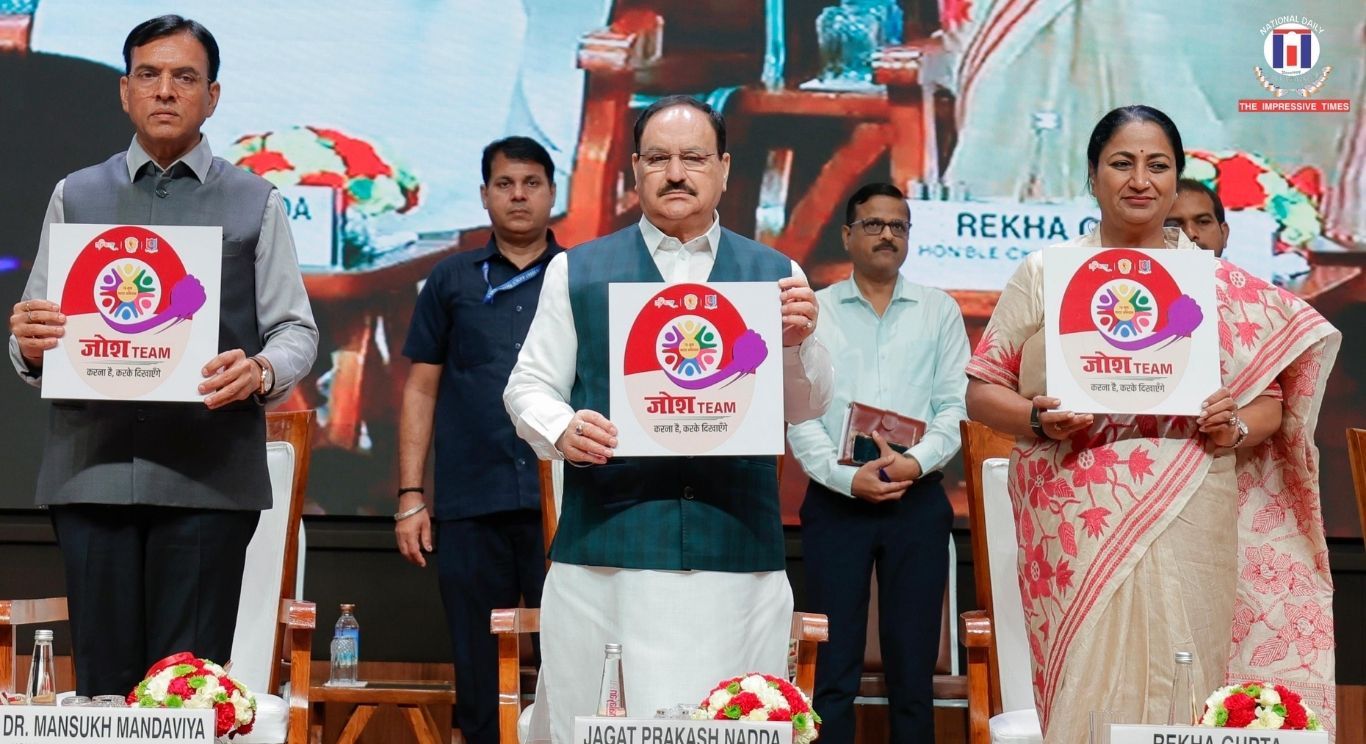
New Delhi | January 2, 2026- Union Health and Family Welfare Minister J. P. Nadda on Thursday released the 10th edition of the Indian Pharmacopoeia (IP 2026), marking a major milestone in India’s pharmaceutical regulatory journey. The launch took place at the Dr. Ambedkar International Centre in New Delhi.
The Indian Pharmacopoeia serves as the country’s official drug standards reference, laying down legally enforceable quality benchmarks for medicines manufactured and sold in India. The latest edition reflects advancements in science, regulatory practices, and India’s growing stature as a global pharmaceutical hub.
Addressing the gathering, Nadda said that IP 2026 introduces 121 new monographs, taking the total count to 3,340, significantly enhancing drug standardisation across critical therapeutic areas. The updated edition strengthens coverage of anti-tuberculosis, anti-diabetic, anti-cancer medicines, and iron supplements, many of which are extensively used under national health programmes.
He emphasised that the expanded scope would play a vital role in ensuring quality, safety, and efficacy of medicines, especially for large-scale public healthcare delivery.
A key highlight of IP 2026 is the first-ever inclusion of 20 blood component monographs related to transfusion medicine. These additions align with the Drugs and Cosmetics (Second Amendment) Rules, 2020, marking a significant regulatory advancement in transfusion safety and standardisation.
The Union Minister also underlined the international acceptance of Indian Pharmacopoeia standards, stating that IP is now recognised in 19 Global South countries, reflecting India’s growing role in health diplomacy.
Highlighting India’s progress in drug safety monitoring, Nadda noted that the country has made a remarkable leap in the WHO global pharmacovigilance database, rising from 123rd position (2009–2014) to 8th globally in 2025. He credited this achievement to the strengthened Pharmacovigilance Programme of India (PvPI) under the Indian Pharmacopoeia Commission (IPC).
“This progress reflects India’s unwavering commitment to patient safety, regulatory vigilance, and quality assurance,” the Minister said.
Concluding his address, Nadda stated that under the leadership of Prime Minister Narendra Modi, the government has consistently prioritised healthcare reforms, regulatory transparency, and public welfare. He expressed confidence that IP 2026 would further reinforce India’s pharmaceutical regulatory framework and global credibility.
Union Health Secretary Punya Salila Srivastava described the release of IP 2026 as a critical step toward strengthening India’s pharmaceutical ecosystem. She stressed that a science-driven and regularly updated pharmacopoeia is essential to ensure access to safe and effective medicines, while also supporting India’s role in the global supply chain.
Published by the Indian Pharmacopoeia Commission (IPC) on behalf of the Ministry of Health and Family Welfare, the Indian Pharmacopoeia is issued under the Drugs and Cosmetics Act, 1940. Its standards are authoritative and legally binding, guiding drug manufacturing, licensing, inspection, and distribution across the country.
India also collaborates internationally through the Pharmacopoeial Discussion Group (PDG), working with European, Japanese, and U.S. pharmacopoeias. IP standards are aligned with International Council for Harmonisation (ICH) guidelines, ensuring global compatibility.
Senior officials including Dr. Rajeev Singh Raghuvanshi (DCGI), Harsh Mangla, and Dr. V. Kalaiselvan, along with industry experts, were present at the event.










































No Comments: