Work From Home vs Office: What Does Gen Z Really Prefer?
Gen Z professionals prefer flexible work culture, with remote and hybrid models gaining popularity over traditional office jobs. Know why WFH vs office debate is evolving.

 The Impressive Times
TIT Correspondent
info@impressivetimes.com
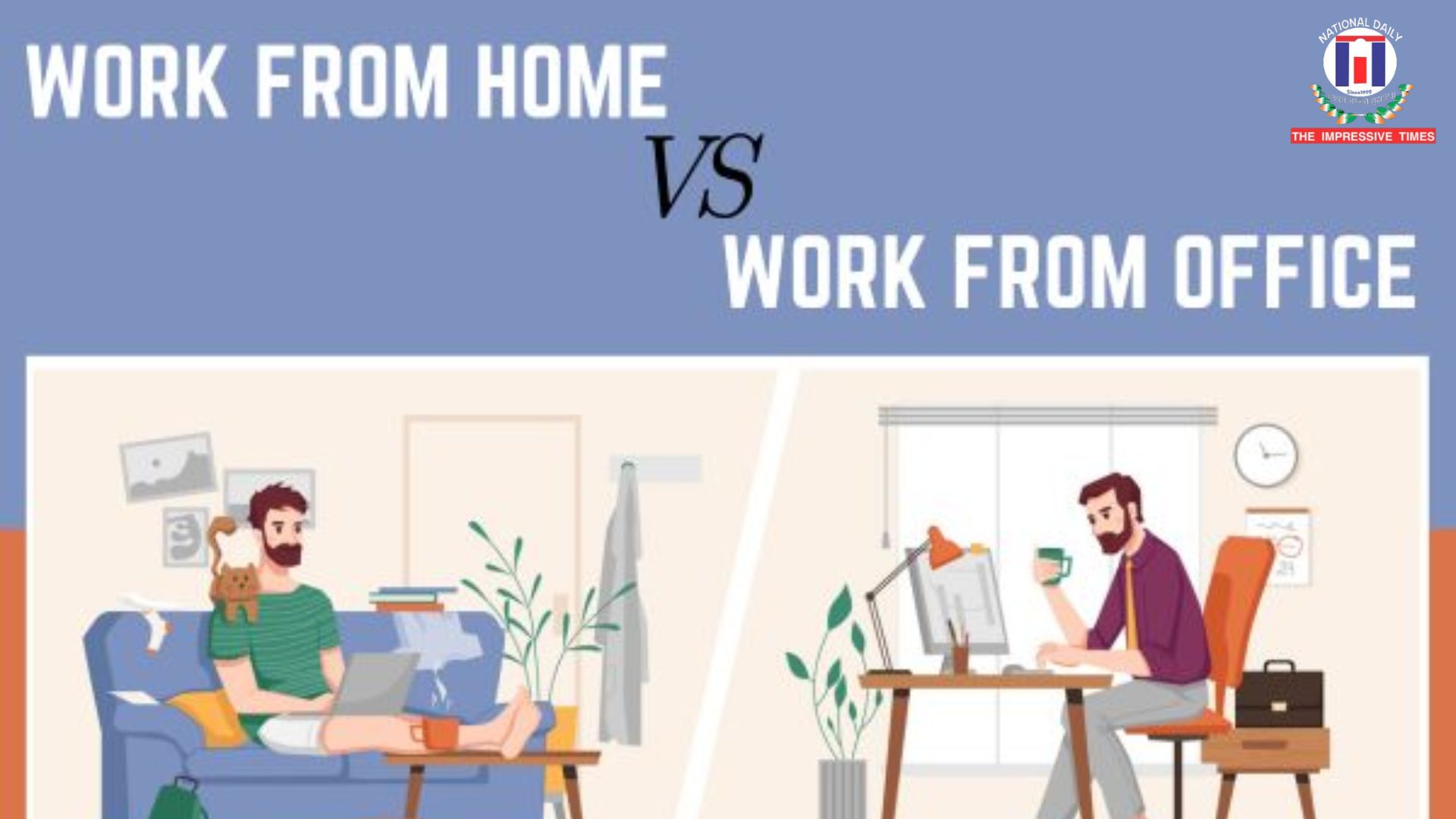
The debate between Work From Home (WFH) and traditional office setups continues to evolve, especially among Gen Z professionals who are rapidly entering the workforce. With changing priorities, technological advancements, and a strong focus on work-life balance, Gen Z is reshaping how work is perceived in modern times.
A majority of Gen Z employees prefer flexible work arrangements, with many opting for remote or hybrid models over full-time office roles. The convenience of working from home allows them to save commuting time, reduce expenses, and maintain a healthier work-life balance.
According to recent workplace surveys, nearly 60–70% of Gen Z workers favor remote or hybrid setups, citing productivity and personal comfort as key reasons.
WFH offers several advantages that align with Gen Z’s lifestyle:
Despite the rise of remote work, office environments still hold importance for many young professionals:
Experts suggest that the hybrid work model—a mix of remote and in-office work—is becoming the most preferred option among Gen Z. It offers the best of both worlds: flexibility along with professional exposure.
Companies across sectors are now redesigning policies to attract and retain young talent by introducing flexible schedules, remote options, and digital collaboration tools.
While WFH has benefits, it also comes with challenges such as:
As Gen Z continues to redefine workplace expectations, it is clear that flexibility, purpose, and balance are their top priorities. While Work From Home remains highly attractive, the future of work is likely to be hybrid, blending convenience with collaboration.











































No Comments: