TIT Correspondent
info@impressivetimes.com
As the days become shorter and the weather starts getting cooler, a new phrase is once again appearing across social media: “Winter Arc.”
For some young people, the period from autumn into winter is no longer simply about colder mornings, heavier clothes and festive plans. It is being treated as an opportunity to step back, build better routines and work on personal goals before the new year arrives.
The trend has turned the final months of the year into a kind of pre-New Year reset — encouraging people to start changing their habits before January rather than waiting for the traditional New Year’s resolution.
What is a “Winter Arc”?
The term “Winter Arc” became popular on social media as a way of describing a personal period of self-improvement during the colder months.
There is no fixed rulebook.
For one person, a Winter Arc may mean exercising regularly and improving sleep. For another, it could involve studying, reading, reducing screen time, improving finances or simply becoming more organised.
The basic idea is to use the final months of the year to build habits that can continue into the following year.
Instead of saying “I’ll start in January,” the Winter Arc philosophy says “Why wait?”
Why is the trend attracting young people?
Part of its popularity comes from the way social media has changed conversations around self-improvement.
Traditional New Year’s resolutions often involve ambitious goals that begin on January 1. The Winter Arc shifts that timeline forward.
October, November and December become a preparation period.
The approach can feel less overwhelming because people are encouraged to focus on a few habits rather than completely changing their lives overnight.
It also gives the season a sense of purpose.
The appeal of a seasonal reset
There is something psychologically appealing about working with the calendar.
The beginning of a new season can feel like a natural transition point. Changing weather, shorter days and the approach of the end of the year can encourage people to reassess routines.
For young professionals and students, this can mean using the final months of the year to regain structure after a busy year.
The goal may be as simple as waking up earlier, exercising three times a week, reading before bed or spending less time scrolling.
Fitness is one of the biggest themes
Exercise is a major part of Winter Arc content online.
Young people are using the trend as motivation to establish consistent workout routines before the new year.
But the emphasis is increasingly on consistency rather than dramatic transformations.
A realistic Winter Arc might involve regular walks, home workouts, running, strength training or simply becoming more active.
The idea is to arrive in January with a routine already in place instead of attempting to build one from scratch.
Sleep is becoming part of the reset too
Winter Arc content also frequently focuses on sleep.
Late-night scrolling, irregular schedules and demanding work or study routines can make consistent sleep difficult.
A seasonal reset can provide an opportunity to establish a more predictable bedtime and morning routine.
That could mean reducing screen time before bed, keeping a consistent wake-up time or creating a calmer evening routine.
The aim is not to follow an extreme schedule but to make sleep a more deliberate part of everyday life.
It is not only about appearance
Some social-media versions of the Winter Arc focus heavily on fitness, appearance and physical transformation.
But the trend is increasingly being interpreted more broadly.
Personal goals can include:
- Reading more books
- Learning a new skill
- Preparing for exams
- Improving financial habits
- Spending less time on social media
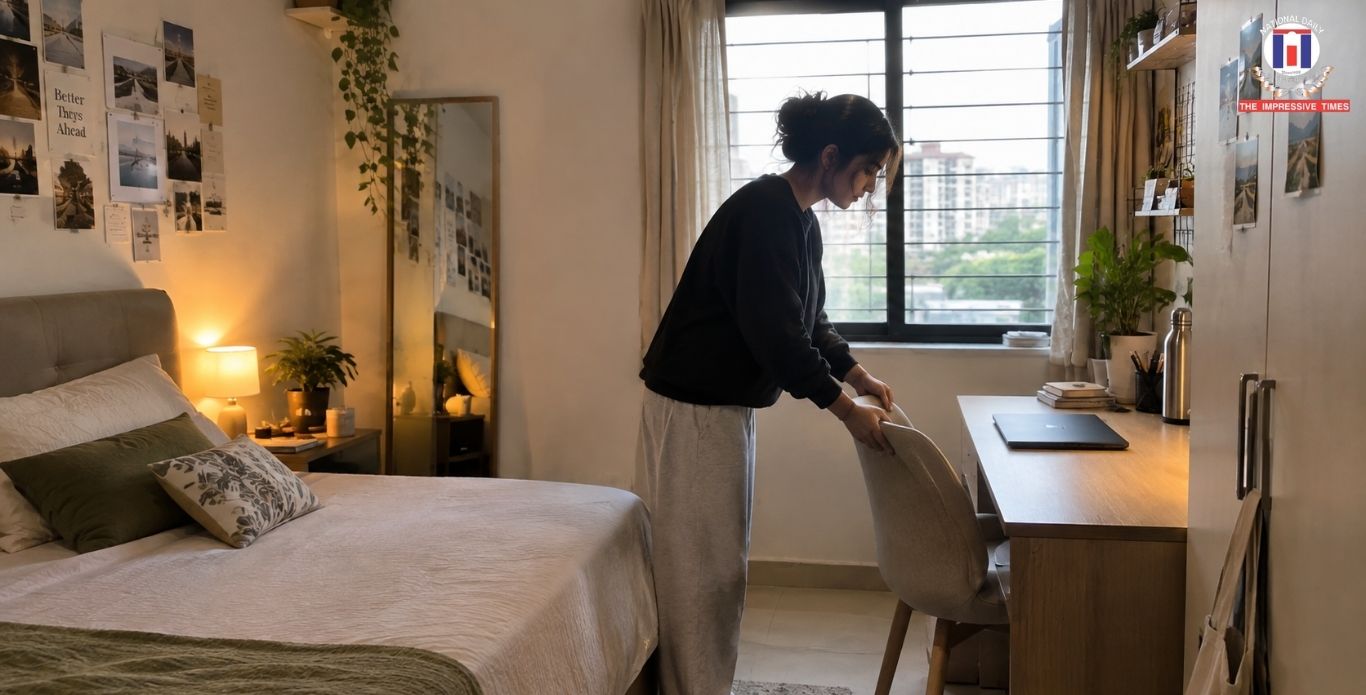
- Organising personal spaces
- Spending more time with family
- Developing a creative hobby
- Getting more consistent with exercise
- Building a healthier sleep routine
This wider interpretation makes the trend less about achieving a particular appearance and more about creating structure.
Why October can feel like a better starting point than January
One reason the trend resonates is that January can come with a lot of pressure.
People often begin the year with long lists of resolutions and ambitious plans. When those plans become difficult to maintain, motivation can disappear quickly.
Starting a few months earlier allows people to experiment.
If a routine does not work, there is time to change it.
The Winter Arc therefore treats the end of the year as a testing and preparation phase, rather than a period that should simply be written off until January.
There is, however, another side to the trend.
Social media can make self-improvement look like a competition.
Videos showing 5 a.m. wake-ups, intense workouts, strict diets, long study sessions and perfectly organised routines can create unrealistic expectations.
Not everyone needs to wake up at 5 a.m. or completely transform their lifestyle.
A useful seasonal reset should be sustainable rather than exhausting.
Small improvements are more realistic than trying to become a completely different person in three months.
Interestingly, the Winter Arc trend sits alongside another growing lifestyle idea: embracing slower routines during colder months.
For some people, a winter reset may mean doing less rather than more.
Reading at home, cooking, spending time with family, taking evening walks or creating a comfortable bedtime routine can also be forms of wellbeing.
The trend therefore does not have to mean turning winter into a productivity challenge.
It can simply mean becoming more intentional about how the season is spent.
The popularity of the Winter Arc reflects a broader change in the way younger people approach self-improvement.
Instead of waiting for one specific date to start changing their lives, they are increasingly using natural points in the year as opportunities for a reset.
Autumn and winter provide one such moment.
Whether it is fitness, studies, career goals, finances, sleep or simply spending less time online, the underlying message is straightforward:
You do not need to wait for January to start again.
And perhaps that is the most appealing part of the Winter Arc trend — turning the final months of the year from a countdown to the next January into a period for quietly building the habits you want to carry forward.














































No Comments: