Tata Sons Board Meeting Today Amid Listing Dispute and Governance Tensions
Tata Sons holds a key board meeting amid an IPO dispute, Chandrasekaran's reappointment challenge and SP Group's share buyback proposal.

 The Impressive Times
New Delhi: Tata Sons is scheduled to hold a crucial board meeting on Monday, November 30, amid an ongoing dispute involving Tata Trusts over the company’s proposed stock market listing and the reappointment of Executive Chairman N. Chandrasekaran.
The meeting comes days after the Bombay High Court declined to grant interim relief to two Tata Trusts, allowing the board proceedings to continue as scheduled. However, the court clarified that decisions and resolutions passed during the meeting would remain subject to the outcome of the pending legal proceedings. The next hearing has been scheduled for January 21, 2027.
Proposed public listing and RBI regulatory requirements
Reappointment of N. Chandrasekaran
SP Group’s proposed share buyback request
Fresh investments in major Tata Group businesses
One of the major issues expected to come up for discussion is the potential public listing of Tata Sons, the holding company of the Tata Group. The Reserve Bank of India (RBI) has reiterated that Tata Sons must comply with the regulatory requirements applicable to upper-layer non-banking financial companies, including listing-related obligations.
The RBI had rejected the company’s request to surrender its registration as a core investment company in September. It subsequently communicated its regulatory expectations again in November.
The board is expected to examine the steps required to address these directions, including a possible roadmap for an initial public offering (IPO), conversion into a public company and changes to the company’s Articles of Association.
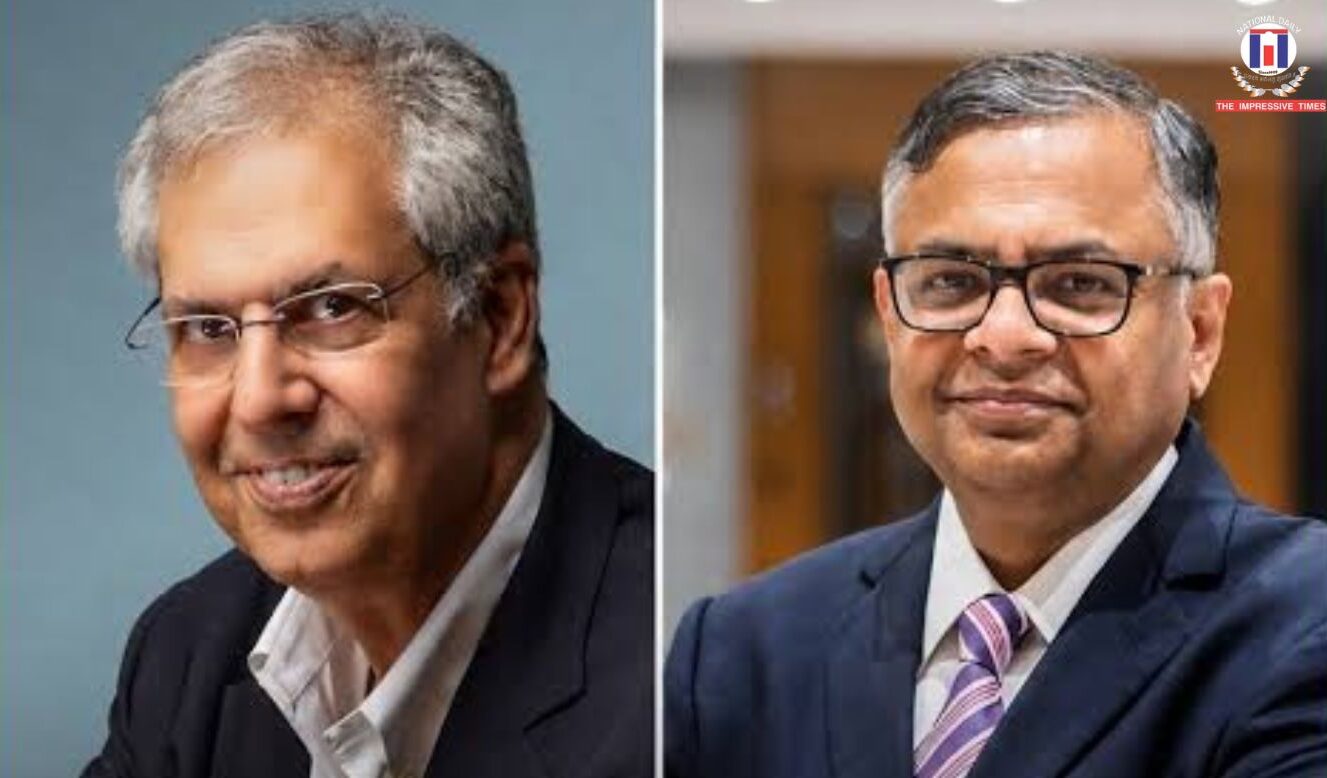
However, the proposed listing has faced opposition from Tata Trusts Chairman Noel Tata, who has favoured exploring alternative restructuring options.
The reappointment of N. Chandrasekaran for another five-year term, beginning February 2027, is another significant issue behind the current dispute.
At the September 17 board meeting, the proposal received approval after a casting vote by independent director Harish Manwani. Noel Tata had opposed the resolution, while fellow Trust-nominated director Venu Srinivasan supported it.
The Sir Dorabji Tata Trust and RD Tata Trust have challenged the decision before the Bombay High Court. They argue that the company’s Articles of Association require affirmative support from a majority of Trust-nominated directors and that a casting vote cannot override this provision.
Tata Sons has contested this interpretation, maintaining that the provision should be read in a manner that prevents a deadlock in the company’s functioning.
The board is also expected to consider convening an extraordinary general meeting (EGM) to seek shareholder approval on matters connected with the proposed reappointment.
The meeting also comes amid a funding request from the Shapoorji Pallonji (SP) Group, which holds approximately 18.4 per cent of Tata Sons.
SP Group Chairman Shapoorji P. Mistry has urged Tata Sons to consider buying back a portion of the group’s stake. The proposal is aimed at helping SP Group raise around ₹25,000 crore to reduce its substantial debt obligations.
In a letter to Chandrasekaran, Mistry reportedly requested that the proposal be placed before the board. The group has also suggested a possible sale of shares to one or more buyers if a buyback is not feasible.
SP Group has maintained that the proposed transaction should be treated separately from the governance-related disagreements within Tata Sons.
Approximately 18.4 per cent of Tata Sons, with a proposed buyback aimed at raising around ₹25,000 crore to reduce debt obligations.
Apart from the listing and leadership issues, the board is expected to review the financial performance of Tata Sons and the wider group during the first half of FY2027.
Proposals for fresh equity investments in group companies, including Air India, Agratas, Tejas Networks and Tata AIG, are also expected to be discussed.
The November 30 meeting is significant for Tata Sons as it faces regulatory obligations, shareholder disagreements and funding requirements across its businesses. While the board can proceed with its discussions, the pending court case means that key decisions may remain subject to further judicial scrutiny.




























No Comments: