Shivraj Chouhan Calls for Data-Driven Rabi Planning as States Prepare for 2026 Season
Shivraj Chouhan asks States to strengthen Rabi Season 2026 planning with better water management, seeds, fertilisers, procurement and crop monitoring.

 The Impressive Times
New Delhi- Union Agriculture and Farmers’ Welfare Minister Shivraj Singh Chouhan has asked States to step up preparations for the upcoming Rabi season with a focus on water availability, quality seeds, timely procurement, balanced fertiliser use and regular crop monitoring.
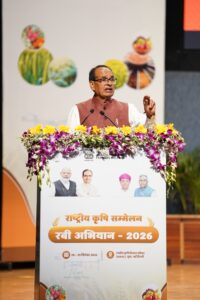
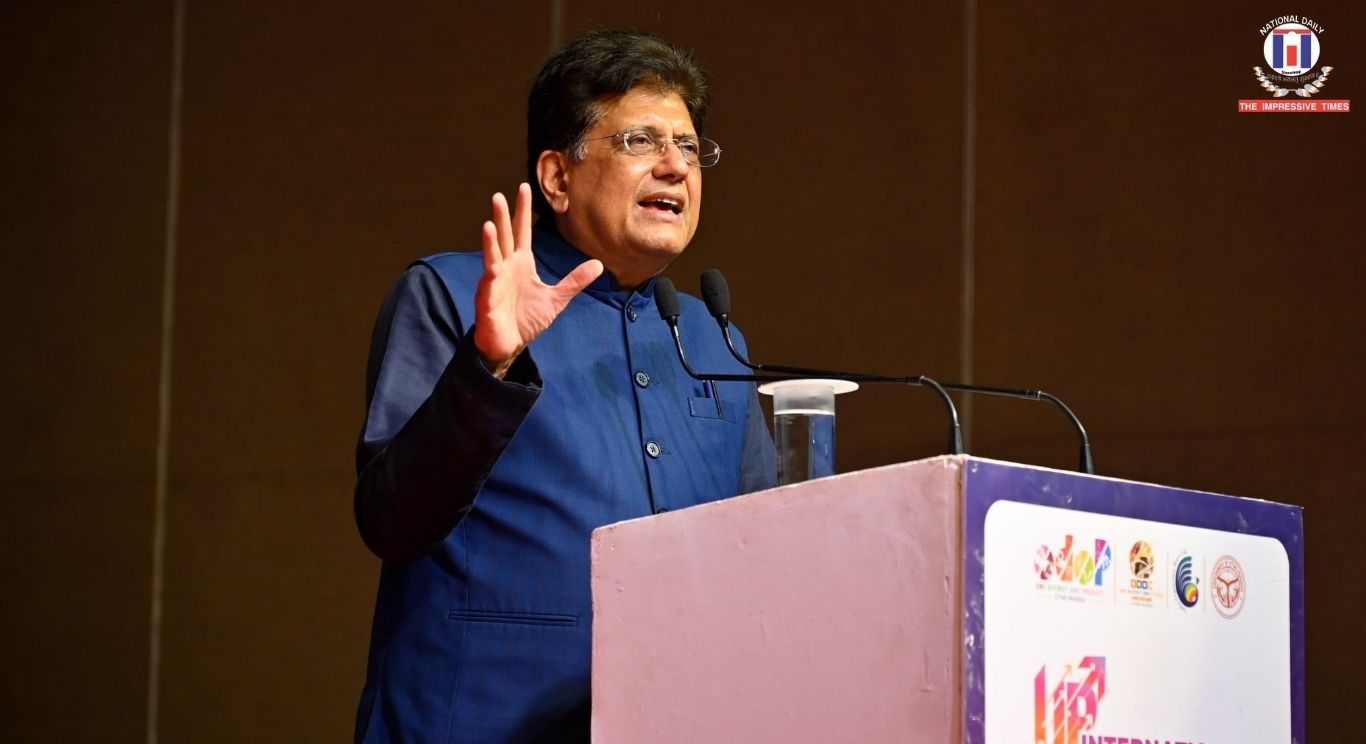
Addressing the National Agriculture Conference – Rabi Campaign 2026 in New Delhi, Chouhan said changing weather patterns, irregular rainfall and growing water constraints require States to move towards scientific and data-based agricultural planning.
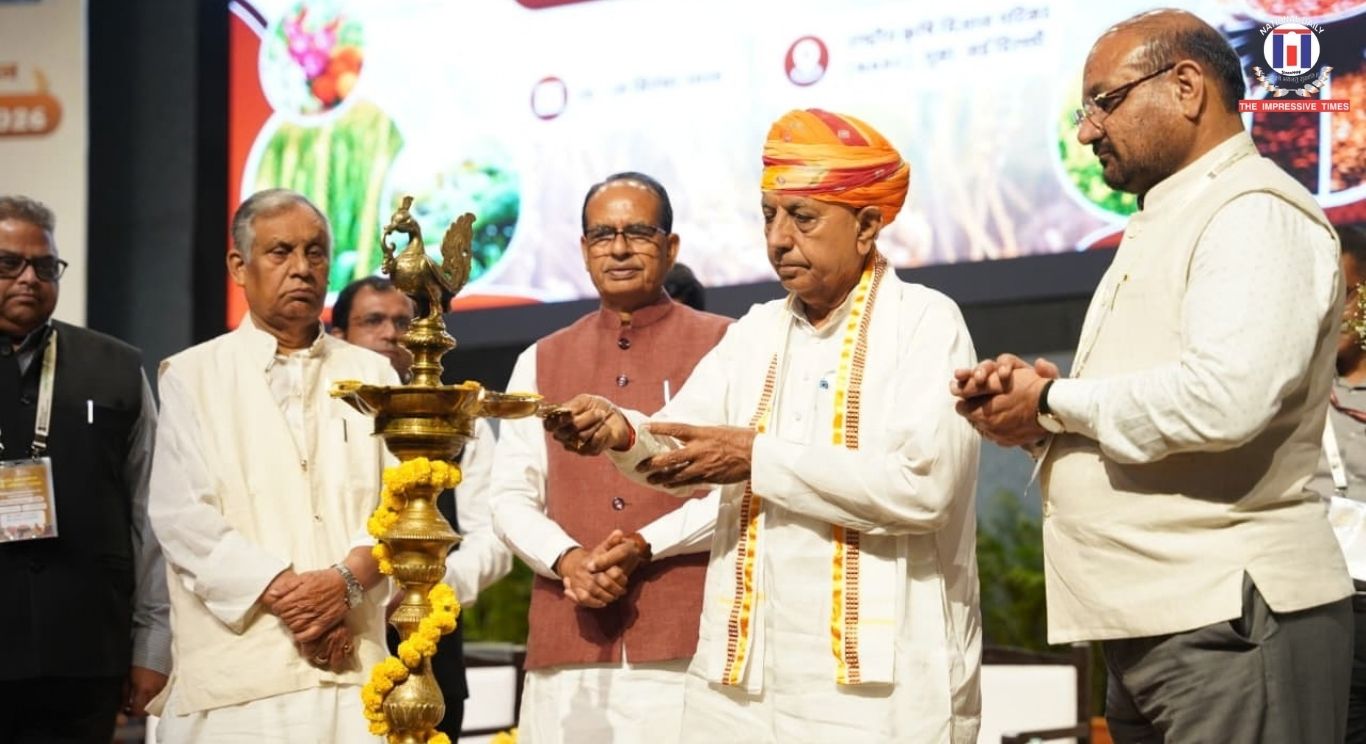
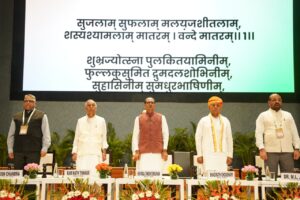
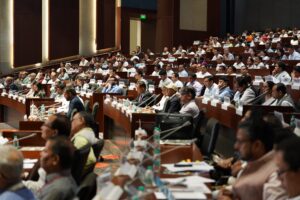
The two-day conference has brought together senior officials from the Centre and States, agricultural scientists, representatives of agricultural universities, ICAR institutions, Krishi Vigyan Kendras and other stakeholders to formulate a coordinated strategy for the Rabi season.
Chouhan said States and districts should assess their available irrigation resources and soil moisture before finalising crop plans.
He advised areas facing water shortages to give greater preference to relatively less water-intensive crops, particularly pulses and oilseeds, while regions with assured irrigation can plan accordingly.
The minister warned that planting crops without ensuring adequate water availability could result in crop losses. He said rainfed regions require particularly careful planning because soil moisture conditions can directly influence crop selection, germination and productivity.
The minister expressed concern over drought conditions in parts of Maharashtra and Karnataka and said the Centre would conduct ground assessments in the affected areas.
A Central team is scheduled to visit Karnataka on October 3, while another team will be sent to Maharashtra to assess the situation.
Chouhan said States including Maharashtra, Karnataka, Telangana and Andhra Pradesh need separate crop strategies based on local water and soil-moisture conditions.
He also stressed that farmers should be supported in completing sowing within the appropriate window, as delays can affect both germination and yields.

Calling seeds a crucial component of Rabi preparations, Chouhan asked States to identify suitable varieties according to local climatic and agricultural conditions.
He said delays in placing seed requirements, procurement and distribution can prevent farmers from accessing improved varieties during the sowing period.
The minister called for a comprehensive plan covering seed demand, procurement, lifting and distribution. States were also asked to examine the adoption of varieties developed by agricultural institutions and increase farmer awareness about suitable options where necessary.
The Centre is also seeking greater cultivation of pulses and oilseeds, particularly on land that remains unused after the paddy season.
Chouhan asked States to finalise their Rabi plans by September 29, including targets for expanding the area under pulses and selecting crops such as chana, masoor and mustard.
He said increased production must be accompanied by reliable procurement arrangements so that farmers have confidence that their produce will find a market.
Chouhan said procurement planning should be completed alongside production planning.
Where State governments are unable to undertake procurement in time, central agencies including NAFED and NCCF will directly procure produce from farmers. States, however, must ensure that necessary mandi and other arrangements are in place to prevent delays.
The minister also urged States to make greater use of the Price Support Scheme (PSS), under which the Centre has approved large-scale procurement proposals for pulses and oilseeds.
The minister called for greater awareness among farmers about the need for balanced fertiliser application.
He said unnecessary use of fertilisers can increase cultivation costs and adversely affect soil health. States have been asked to expand the ‘Khet Bachao Abhiyan’ into the Rabi season and promote scientific fertiliser practices.
Chouhan also stressed that fertilisers should reach farmers before they are needed in the fields. He referred to initiatives using Farmer ID to improve distribution and reduce diversion and black marketing.
The minister said the Centre is spending around ₹2 lakh crore on fertiliser subsidy, with farmers receiving subsidised inputs including urea at ₹266 per bag and DAP at ₹1,350 per bag.
Chouhan said interest in natural farming is increasing, but stronger marketing and branding are required to help farmers receive better returns.
He cited initiatives in Andhra Pradesh, Gujarat and Himachal Pradesh, where natural farming products have been developed as distinct brands.
States, he said, should work towards market recognition for such products while ensuring that certification requirements do not unnecessarily prevent farmers from participating.
The minister also called for wider access to institutional agricultural credit.
While around 9.54 crore farmer families are covered under PM-KISAN, Kisan Credit Card coverage remains inadequate in some regions, particularly among small and marginal farmers.
States were asked to identify gaps in KCC coverage and address delays at the banking level.
Chouhan also called for faster completion of Farmer ID and AgriStack-related work, including land parcel information. He stressed that tenant farmers and those cultivating land at multiple locations should also be covered by the Farmer ID framework.
The minister directed States to conduct weekly monitoring of sowing progress, germination, crop health, pest and disease outbreaks and market prices.
He said timely access to field-level information would allow authorities to identify problems early and take corrective measures before they affect farmers on a larger scale.
The Agriculture Ministry also conducts weekly reviews at the national level covering crop conditions, prices and disease situations.
The conference will focus on themes including agricultural diversification, self-reliance, climate-resilient farming, digital agriculture, infrastructure, financing and risk management.
Further discussions with State Agriculture Ministers on September 29 will cover the Rabi weather outlook, fertiliser availability, the Digital Agriculture Mission, Farmer Registry, pulses and edible oil missions, PM Dhan-Dhaanya Krishi Yojana, marketing reforms and the role of ATMA and KVKs.
The deliberations are expected to culminate in a coordinated action plan aimed at improving Rabi production, strengthening farmer support systems and advancing the broader goal of a self-reliant and developed agricultural economy.
This version keeps the facts, figures and official announcements from the source, but changes the headline, opening, sequencing, wording and paragraph construction substantially.

























No Comments: