5 Everyday Habits an Orthopaedic Surgeon Ditched to Keep His Joints Pain-Free
5 Daily Habits Orthopaedic Surgeon Says Destroy Your Joints

 The Impressive Times
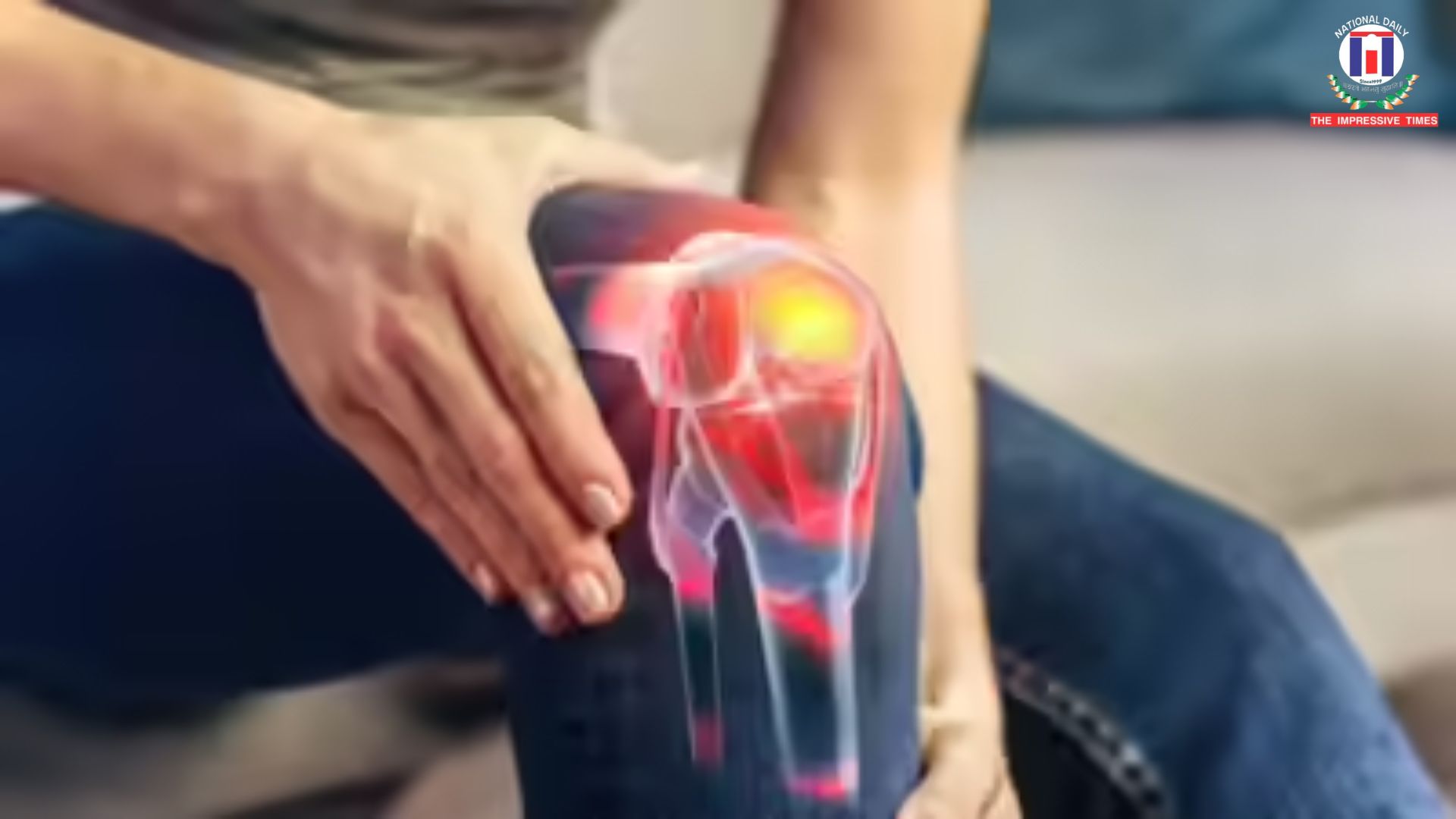
Healthy bones, flexible joints, and strong muscles don’t happen by accident-they’re shaped by the choices we make every single day. Small, seemingly harmless routines can quietly take a toll on your body, leading to stiffness, chronic aches, and even the need for surgery over time.
Dr. David Abbasi, a seasoned orthopaedic surgeon and sports medicine expert, recently shared five habits he personally abandoned after decades of seeing patients with preventable musculoskeletal problems. His insights offer a roadmap for maintaining long-term joint and bone health.
Long hours in a chair may feel normal, but inactivity puts your hip flexors in a shortened position, gradually reducing mobility and creating tightness. Dr. Abbasi notes that prolonged sitting is one of the main contributors to hip issues he encounters in surgery. Moving regularly throughout the day is crucial.
Leg exercises aren’t just about aesthetics—they’re essential for supporting knees and hips. Strengthening the muscles around these joints improves stability and reduces the risk of injury. According to Dr. Abbasi, “Your knees and hips will beg you to strengthen the surrounding muscles.”
Footwear isn’t merely a fashion choice. The wrong shoes can affect not only your feet but also your ankles, knees, and even spine alignment. Supportive footwear forms the foundation for healthy posture and movement, says the surgeon.
While it might feel cozy, sleeping on your stomach can strain your spine over time. Dr. Abbasi stopped this habit himself, warning that poor sleep posture can gradually compromise spinal health.
Many people dismiss mild joint pain as something to “walk off,” but doing so can turn minor issues into major complications. Timely attention to aches and discomfort is essential to prevent long-term damage. Dr. Abbasi emphasizes, “Your body keeps score—don’t ignore the signals.”
By adjusting these daily routines, you can protect your joints, maintain mobility, and reduce the likelihood of future surgical interventions. Small changes today can lead to years of healthier, pain-free movement tomorrow.














































No Comments: