Hyderabad, January 16, 2026: In a landmark step towards inclusive healthcare delivery, the Ministry of Tribal Affairs (MoTA), Government of India, on Thursday launched a nationwide capacity building initiative aimed at formally integrating tribal healers into India’s community health framework. The national programme, held at Kanha Shanti Vanam in Hyderabad, seeks to strengthen healthcare access in tribal regions by leveraging the trust, knowledge, and reach of traditional healers.
The initiative reflects the Government’s broader vision of Viksit Bharat, focusing on last-mile delivery, community participation, and culturally sensitive solutions for historically underserved populations.

Tribal Healers Recognised as Community Health Partners
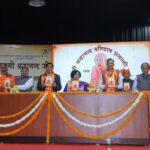
The inaugural session was attended by Union Minister for Tribal Affairs Shri Jual Oram, Minister of State Shri Durgadas Uikey, Telangana Tribal Welfare Minister Shri Adluri Laxman Kumar, Member of Parliament Shri Balaram Naik, senior officials from the Centre and States, representatives of leading health institutions, and nearly 400 tribal healers from across the country.
Addressing the gathering, senior officials from MoTA underlined that tribal healers possess deep-rooted credibility within their communities, making them invaluable allies in preventive healthcare, early disease detection, health awareness, and referral to formal medical facilities. The Ministry emphasised that bridging cultural and geographical gaps remains critical to improving health outcomes in tribal belts.

Focus on Disease Elimination and Preventive Care
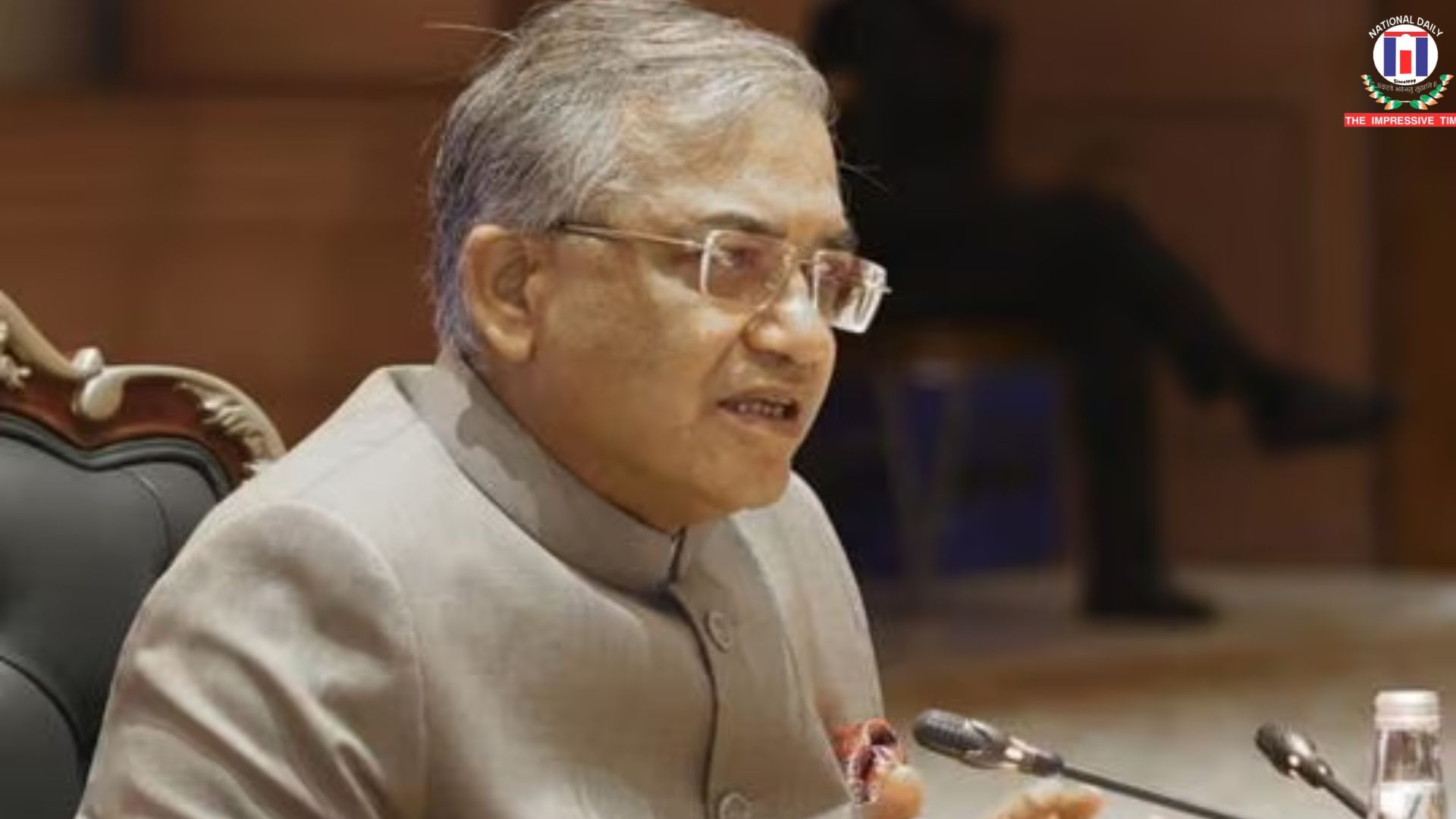
Secretary, Ministry of Tribal Affairs, highlighted the continued burden of communicable diseases such as malaria, tuberculosis, and leprosy in several tribal districts, calling for targeted interventions supported by community-led health models. She noted that empowering tribal healers can accelerate disease elimination efforts while ensuring dignity, recognition, and continuity of indigenous medical knowledge.
Interacting with healers from multiple states, she said the Ministry plans to formally recognise and support nearly one lakh tribal healers nationwide, creating pathways for skill enhancement, ethical practice, and inter-generational transmission of traditional knowledge.
Telangana’s Tribal Diversity and Infrastructure Needs
Telangana’s Tribal Welfare Minister drew attention to the State’s rich tribal diversity, comprising more than 30 recognised tribes, each with unique cultural and medicinal traditions. He stressed the importance of strengthening primary and secondary healthcare facilities in tribal regions while ensuring state-specific priorities are reflected in national policy frameworks.

Integrating Traditional Wisdom with Modern Medicine
Union Minister of State Durgadas Uikey noted that while tribal areas continue to face health challenges, tribal communities have preserved sustainable lifestyles and nature-based medical practices that offer valuable insights for modern healthcare. He called for a balanced approach combining traditional knowledge, scientific research, technology, and welfare schemes to address both communicable and lifestyle-related diseases.
Union Minister Jual Oram, sharing personal experiences, said India’s indigenous healing traditions have survived generations and must now be protected and strengthened through institutional support. He encouraged collaboration with research bodies, medical institutions, and industry players to create livelihood opportunities around traditional medicine, while reiterating the government’s commitment to initiatives such as the National Sickle Cell Anaemia Elimination Mission, PM-JANMAN, and Dharti Aaba Janjatiya Gram Utkarsh Abhiyan.
India’s First National Tribal Health Observatory Announced
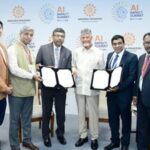
A key outcome of the event was the signing of a Memorandum of Understanding between the Ministry of Tribal Affairs and the ICMR–Regional Medical Research Centre, Bhubaneswar, for establishing the Bharat Tribal Health Observatory (B-THO) under Project DRISTI. The observatory will generate tribe-specific health data, support implementation research, and guide evidence-based interventions in tribal districts, particularly for malaria, tuberculosis, and leprosy.
This initiative addresses a long-standing gap in disaggregated health data for tribal populations, enabling more precise planning and monitoring of health programmes.
Knowledge Exchange and Global Best Practices
The programme featured expert-led technical sessions by specialists from ICMR, AIIMS Delhi and Jodhpur, WHO, the Ministry of Health & Family Welfare, and the Ministry of AYUSH. Discussions covered tribal health trends, public health system orientation, global best practices in engaging traditional healers, and disease-specific interventions, including sickle cell disease.
Speakers highlighted that structured training, clear role definition, and referral linkages can make tribal healers effective partners in primary healthcare without diluting their traditional identity.
Emphasis on Holistic Well-being
A reflective session on yoga, meditation, and spiritual wellness highlighted the need to view tribal development beyond healthcare alone. Speakers emphasised livelihood security, environmental sustainability, and respectful preservation of indigenous lifestyles, warning that unrecorded traditional knowledge risks disappearing as younger generations move away from ancestral practices.
A New Model for Tribal Health Governance
The capacity building programme marks a significant shift in tribal health policy, positioning tribal healers as grassroots health leaders supported by scientific evidence, institutional partnerships, and culturally rooted approaches. It reinforces India’s commitment to inclusive development, ensuring that tribal communities play a central role in shaping their own health and well-being.













No Comments: