C. P. Radhakrishnan Unveils Constitution of India in Sindhi
Vice President hails multilingual Constitution initiative, calls it key to strengthening democracy and unity

 The Impressive Times
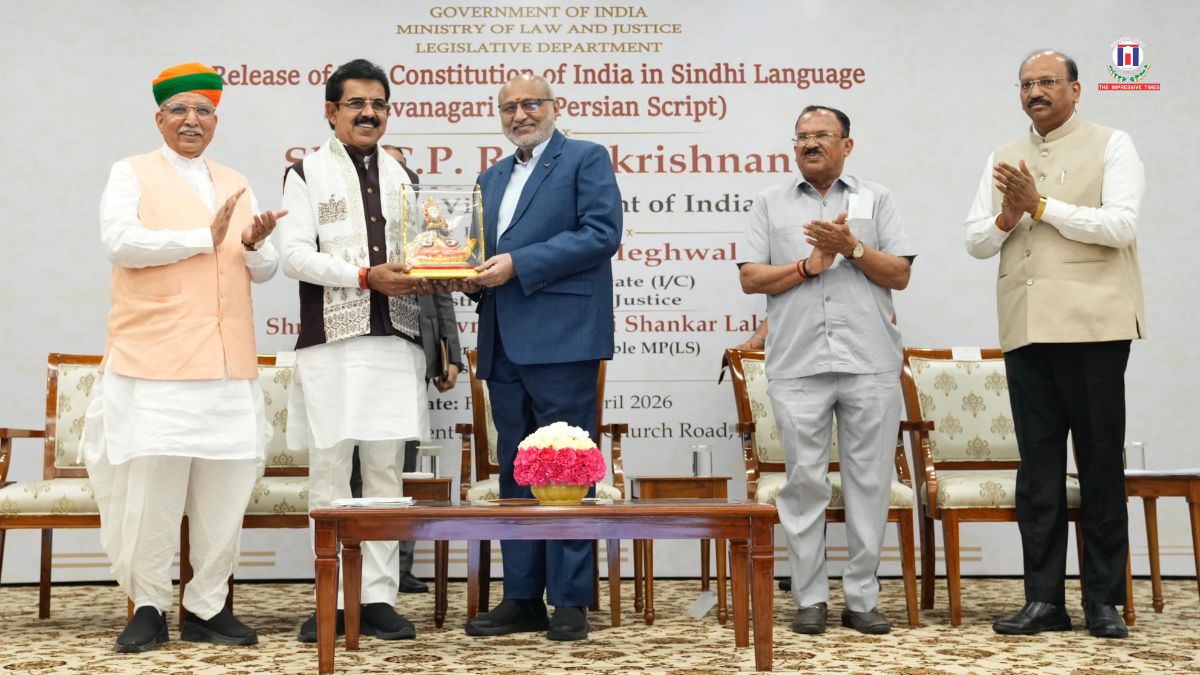
New Delhi: C. P. Radhakrishnan on Thursday released the latest edition of the Constitution of India in the Sindhi language, presented in both Devanagari and Persian scripts, at a ceremony held at Uprashtrapati Bhawan.
Extending greetings on the occasion of Sindhi Bhasha Diwas, the Vice President described Sindhi as one of the country’s oldest and most melodious languages, enriched by a literary tradition that blends Vedantic philosophy with Sufi thought. He emphasized that such cultural depth promotes universal values like unity, love, and harmony.
He noted that making the Constitution available in Sindhi—especially in Devanagari script for the first time since Independence—marks a significant step toward inclusive governance and wider accessibility.
C. P. Radhakrishnan highlighted that the Constitution is more than a legal framework, calling it the living spirit of the nation that safeguards citizens’ rights and guides democratic functioning.
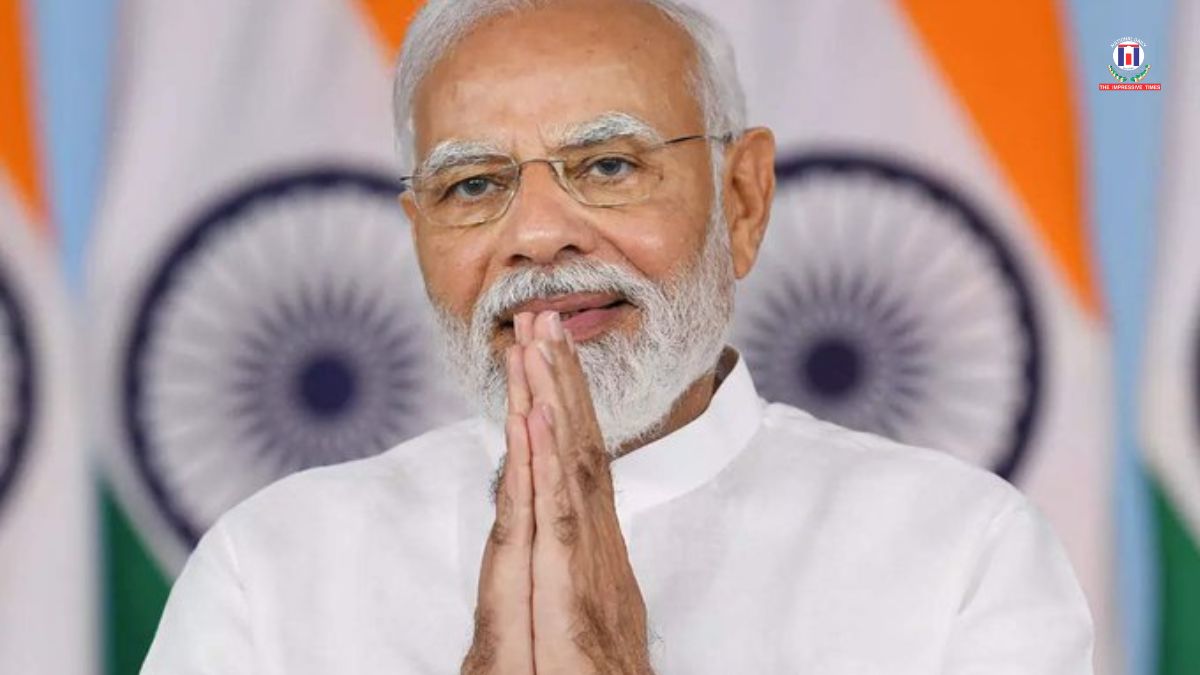
The Vice President appreciated initiatives under the leadership of Narendra Modi to make the Constitution accessible in multiple Indian languages. He said such efforts help citizens better understand governance in their mother tongue, thereby strengthening democratic participation.
He also pointed to earlier translations in languages such as Bodo, Dogri, Santhali, Tamil, Gujarati, and Nepali, calling them a celebration of India’s linguistic diversity.
Reflecting on history, he noted that the Sindhi language played a vital role in maintaining unity and identity for the community during the challenging period following Partition. He also recalled its inclusion in the Eighth Schedule through the 1967 constitutional amendment.
Reiterating the importance of respecting all languages, C. P. Radhakrishnan said that India’s strength lies in its diversity, with languages acting as carriers of culture, heritage, and identity.
He commended the efforts of the Ministry of Law and Justice and officials involved in regional language initiatives, expressing confidence that such measures will empower citizens and contribute to the vision of a developed India by 2047.
The event was attended by several prominent leaders, including Arjun Ram Meghwal, Vasudev Devnani, Shankar Lalwani, and Rajiv Mani, among others.


































No Comments: