WTO Head Warns Global Trade System Faces Rising Uncertainty
Global Trade at Crossroads: Multilateral System Faces Strain Amid Geopolitical Shifts

 The Impressive Times
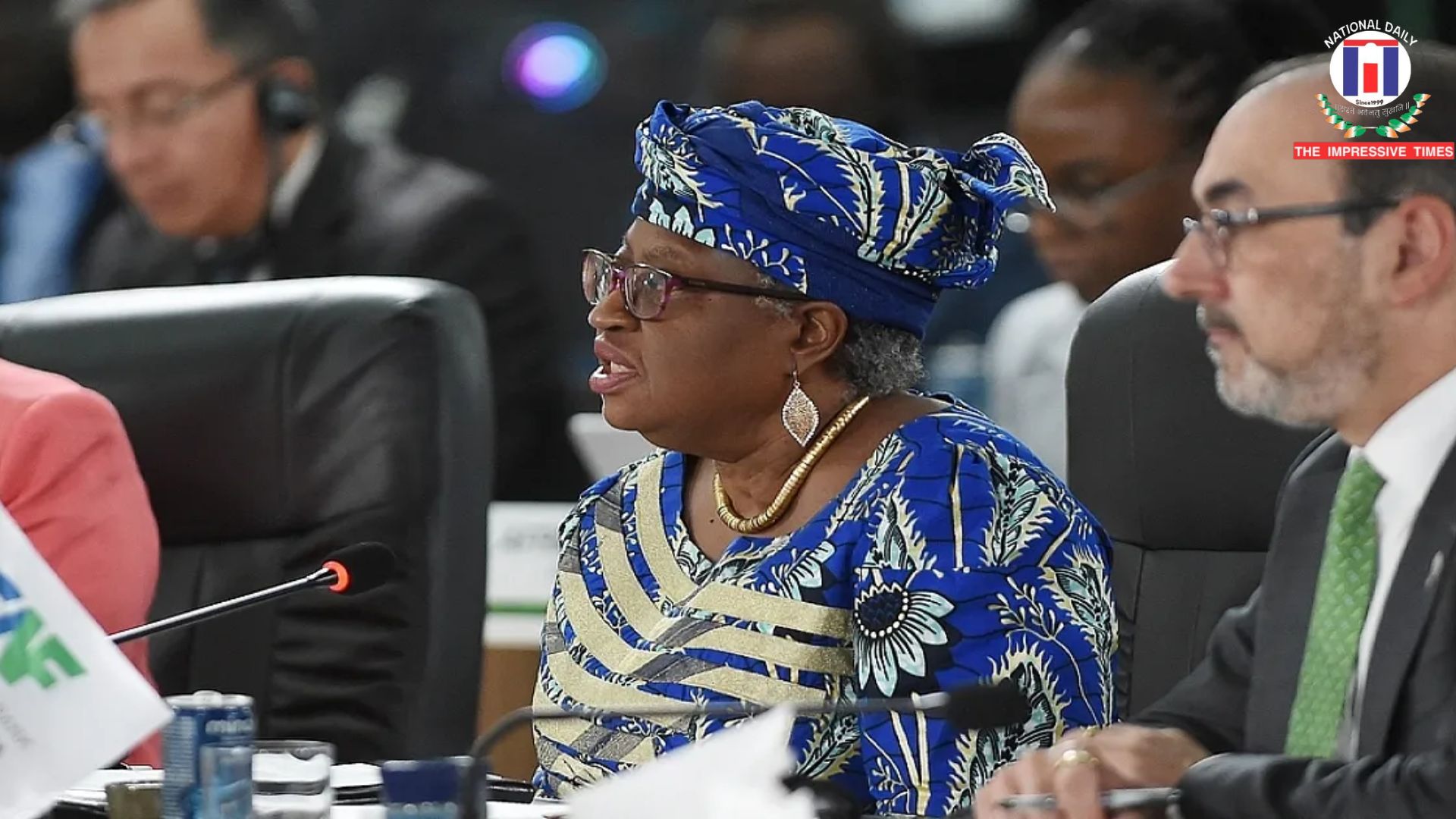
Yaounde, March 26, 2026: The global trade framework is confronting increasing instability as economic and geopolitical dynamics evolve rapidly, the Director‑General of the World Trade Organization has cautioned. In remarks delivered at the 14th WTO Ministerial Conference in Cameroon, she underscored that recent changes in global relations and trade policies are creating significant uncertainty for international commerce.
Speaking to representatives from over 160 member countries, WTO Director‑General Ngozi Okonjo‑Iweala said that while a large majority of global trade still operates under the WTO’s rules, the traditional system of multilateral cooperation is under strain due to shifting world order and emerging economic pressures. Her message emphasized that nations must adapt proactively to new realities rather than expecting a return to past conditions.
Okonjo‑Iweala highlighted several challenges confronting the trade body, including disruptions stemming from ongoing conflicts in parts of the Middle East and the effects of tariff measures taken by major economies that have complicated market predictability. She also pointed to operational hurdles within the WTO itself, such as the paralysis of its dispute settlement system, which has undermined confidence in enforcing trade rules.
The director‑general drew attention to gaps in transparency among member states, noting that a significant number had not submitted required notifications on industrial subsidies, a lapse that can breed mistrust and impede efforts to establish equitable trade practices.
In her address, she called for a forward‑looking approach that embraces reform to strengthen the multilateral trade architecture and make it more responsive to technological advancements, supply‑chain shifts, and emerging economic partnerships. The remarks reflected growing global debate over how the WTO can remain relevant amid evolving geopolitical pressures and economic fragmentation.
Observers say the issues raised by the WTO chief underscore the delicate balance between preserving rules‑based trade cooperation and adapting to changing international alignments that affect how countries negotiate trade rules, settle disputes, and protect economic interests in an increasingly interconnected world.























No Comments: