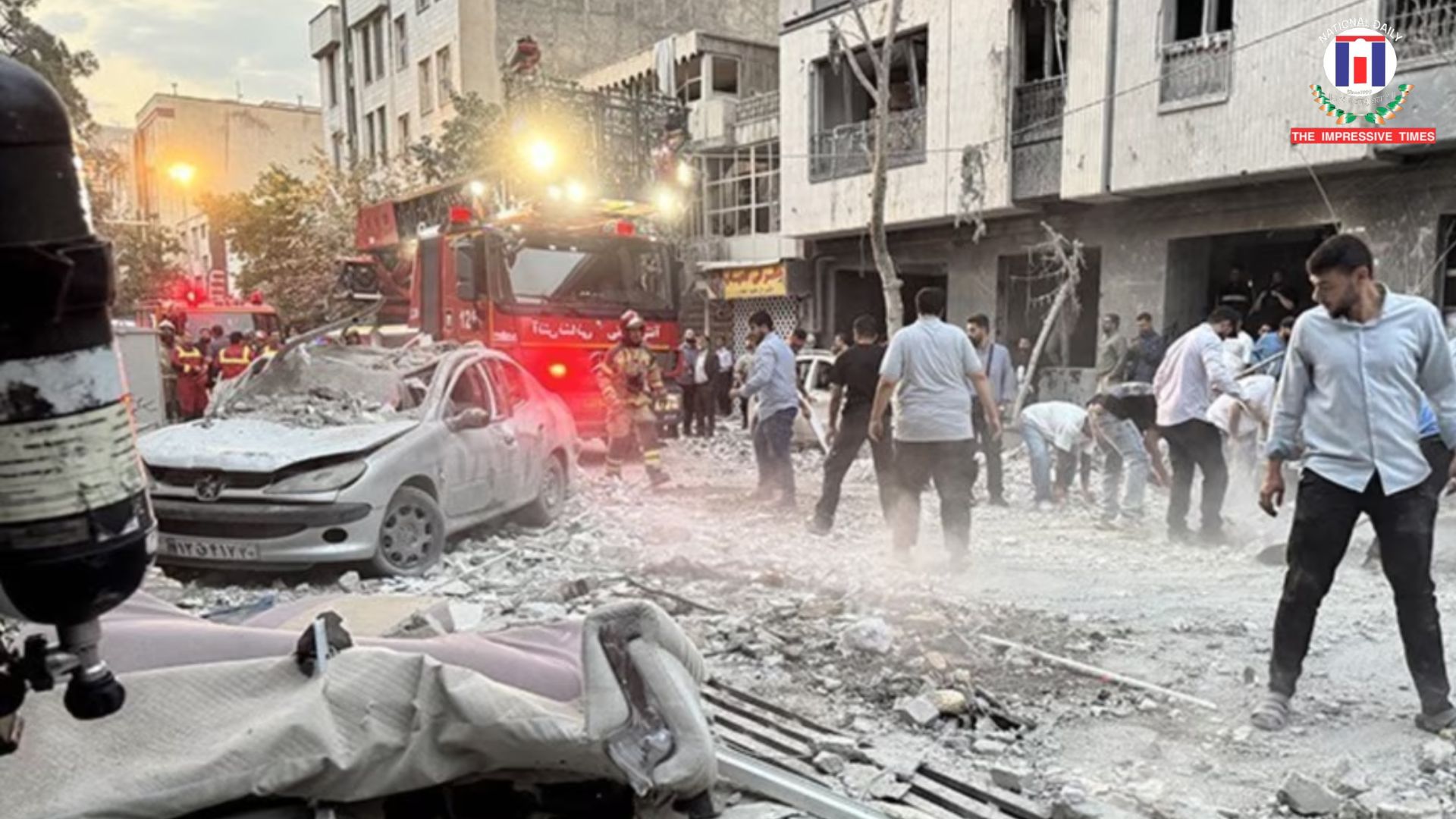
Meanwhile, Israel witnessed a series of missile assaults allegedly launched from Iran. Military officials reported multiple rounds of incoming missiles within a few hours, forcing air defense systems into action. While several projectiles were intercepted, some managed to land in populated areas, causing minor injuries and damage.
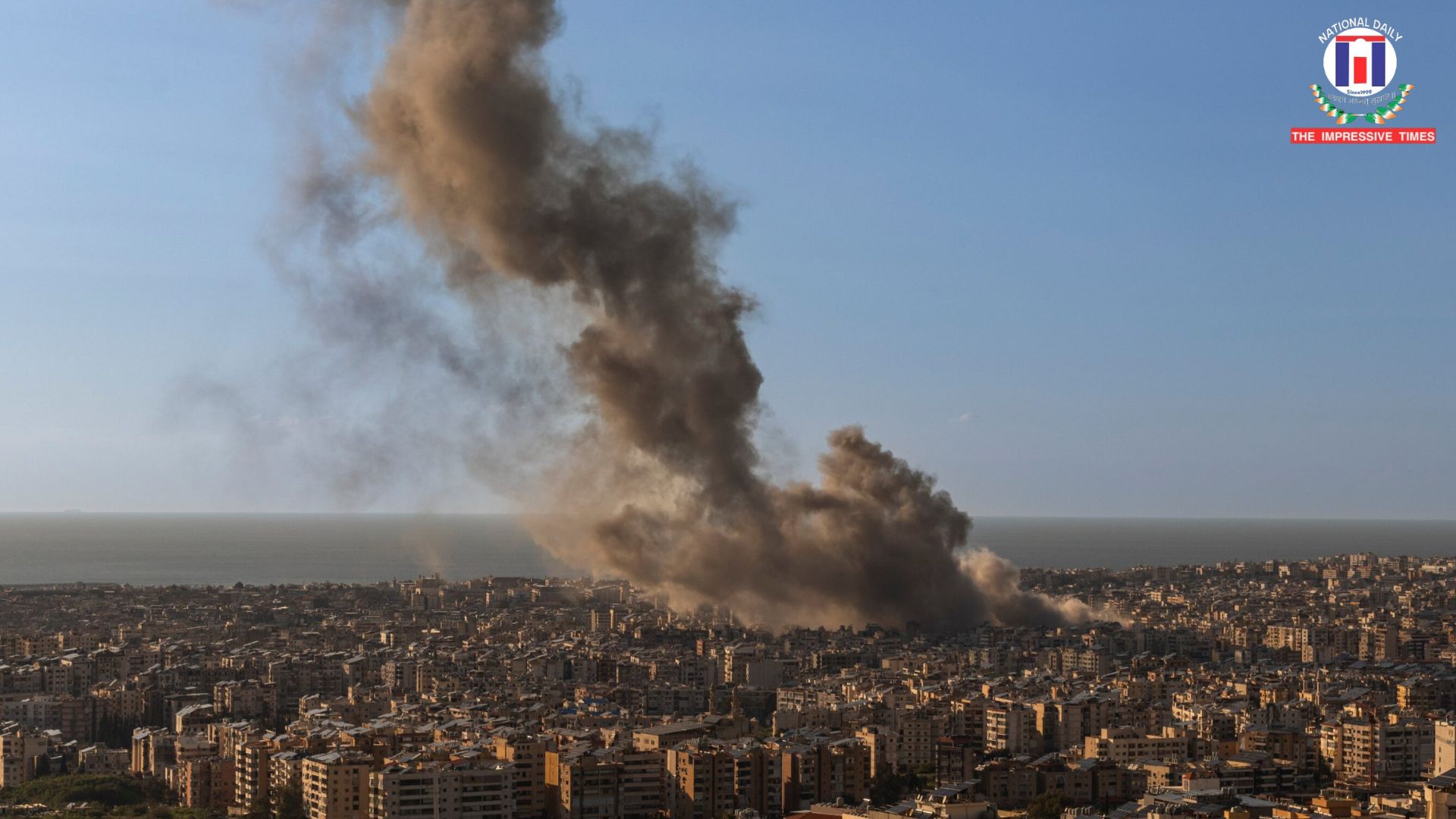
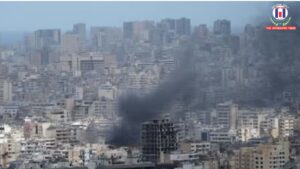
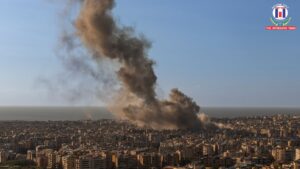
The situation along Israel’s northern border also worsened, as Hezbollah, the Lebanon-based group supported by Iran, claimed responsibility for firing rockets and deploying drones into Israeli territory. The attacks triggered widespread sirens and forced residents to seek shelter, heightening fears that Lebanon could be pulled deeper into the conflict.
Tensions extended into the Gulf region as well. Authorities in Abu Dhabi confirmed that a missile was intercepted near a major industrial and logistics zone, resulting in limited damage but no reported casualties. The incident highlights the growing geographical spread of the conflict into economically critical areas.
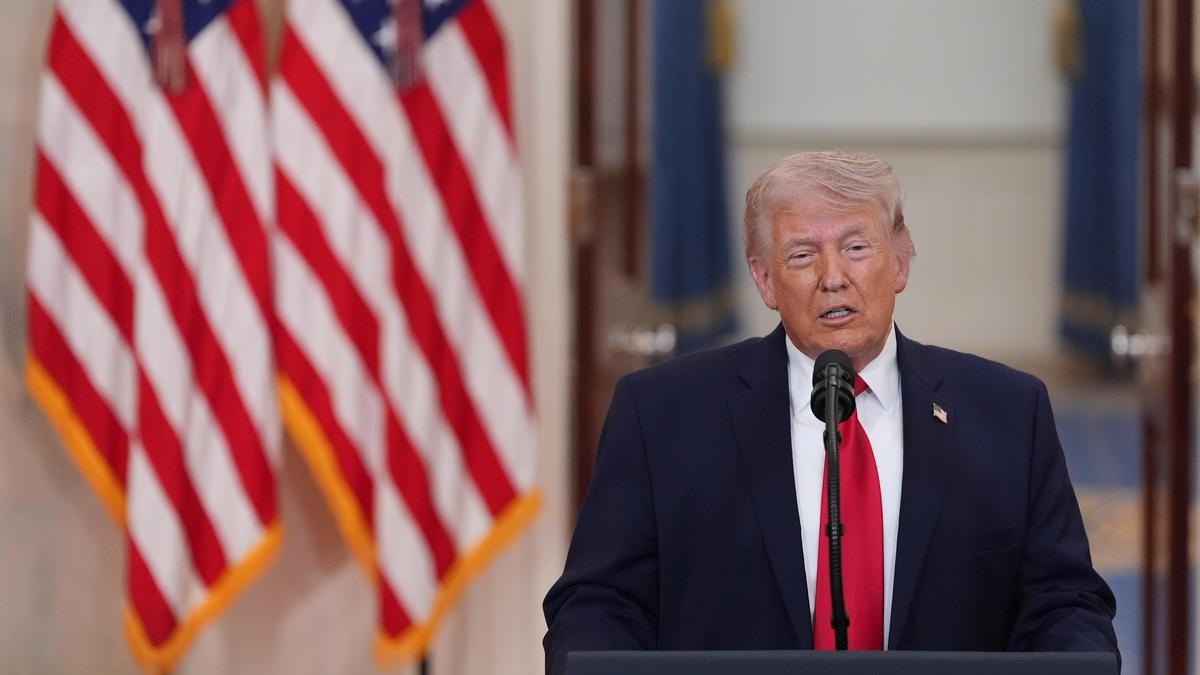
On the political front, US President Donald Trump signaled a more aggressive military approach, stating that American operations against Iran would intensify in the coming weeks. He claimed that Iran’s military capabilities had already been significantly weakened, while also acknowledging concerns about domestic support for prolonged military engagement.
The economic impact of the escalating conflict was immediate. Global oil prices surged by over 4%, driven by fears of supply disruptions, particularly around the vital Strait of Hormuz. At the same time, several Asian stock markets experienced declines amid rising geopolitical uncertainty.
With missile exchanges increasing, proxy groups becoming more active, and strong rhetoric from global powers, the crisis appears to be widening. Analysts warn that if the situation continues to escalate, it could destabilize the broader region and significantly impact the global economy.










































No Comments: