Iran Shows Strategic Resilience Despite Battlefield Pressure in Ongoing US-Israel Conflict
Tehran signals capacity for prolonged retaliation as Washington and Tel Aviv face strategic uncertainties

 The Impressive Times
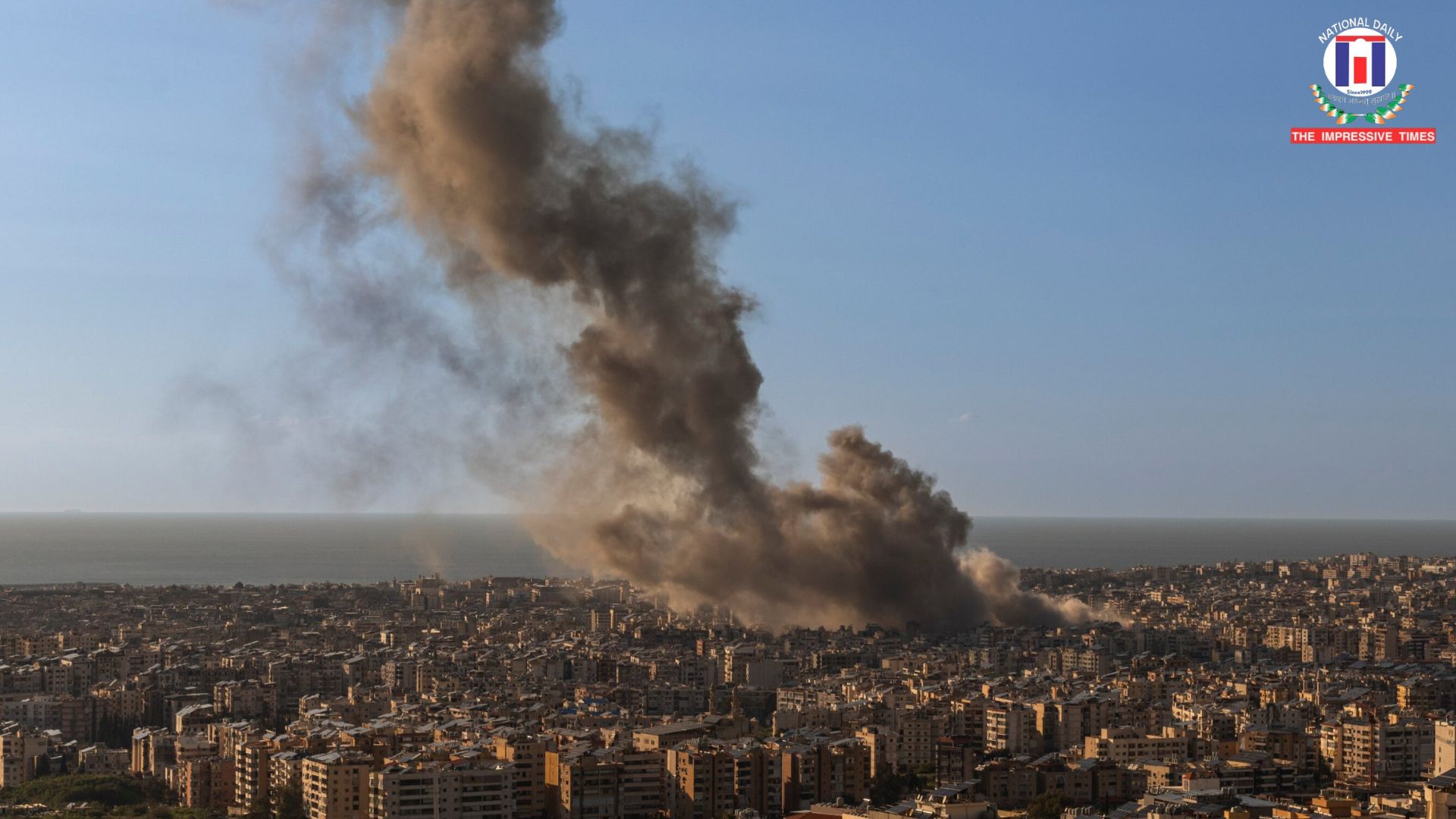
News Report: In the unfolding conflict involving Iran, United States, and Israel, early battlefield developments may not fully reflect the broader strategic picture. While recent military actions suggest pressure on Tehran, analysts indicate that Iran retains significant capabilities to sustain and potentially shift the trajectory of the conflict.
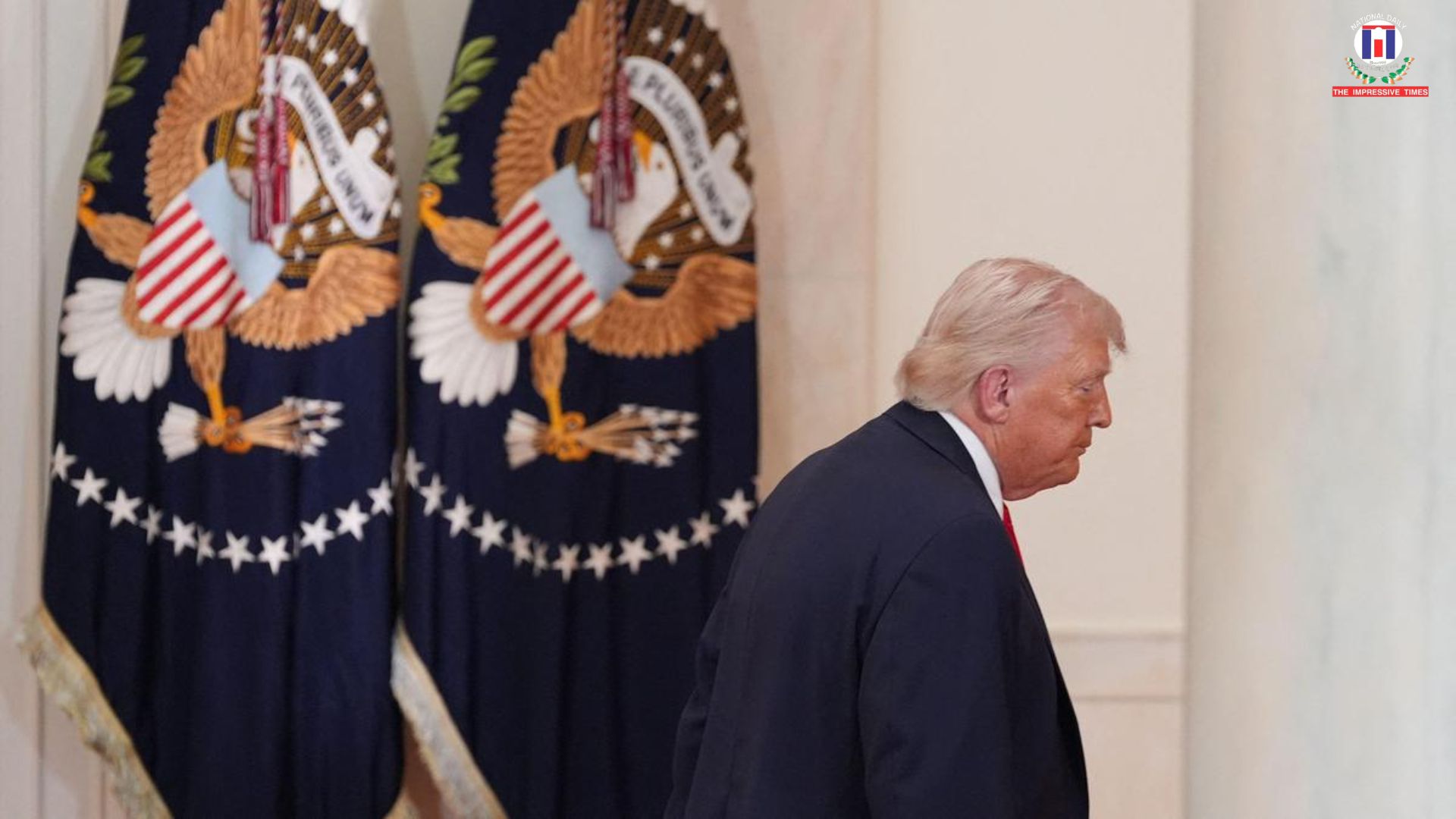
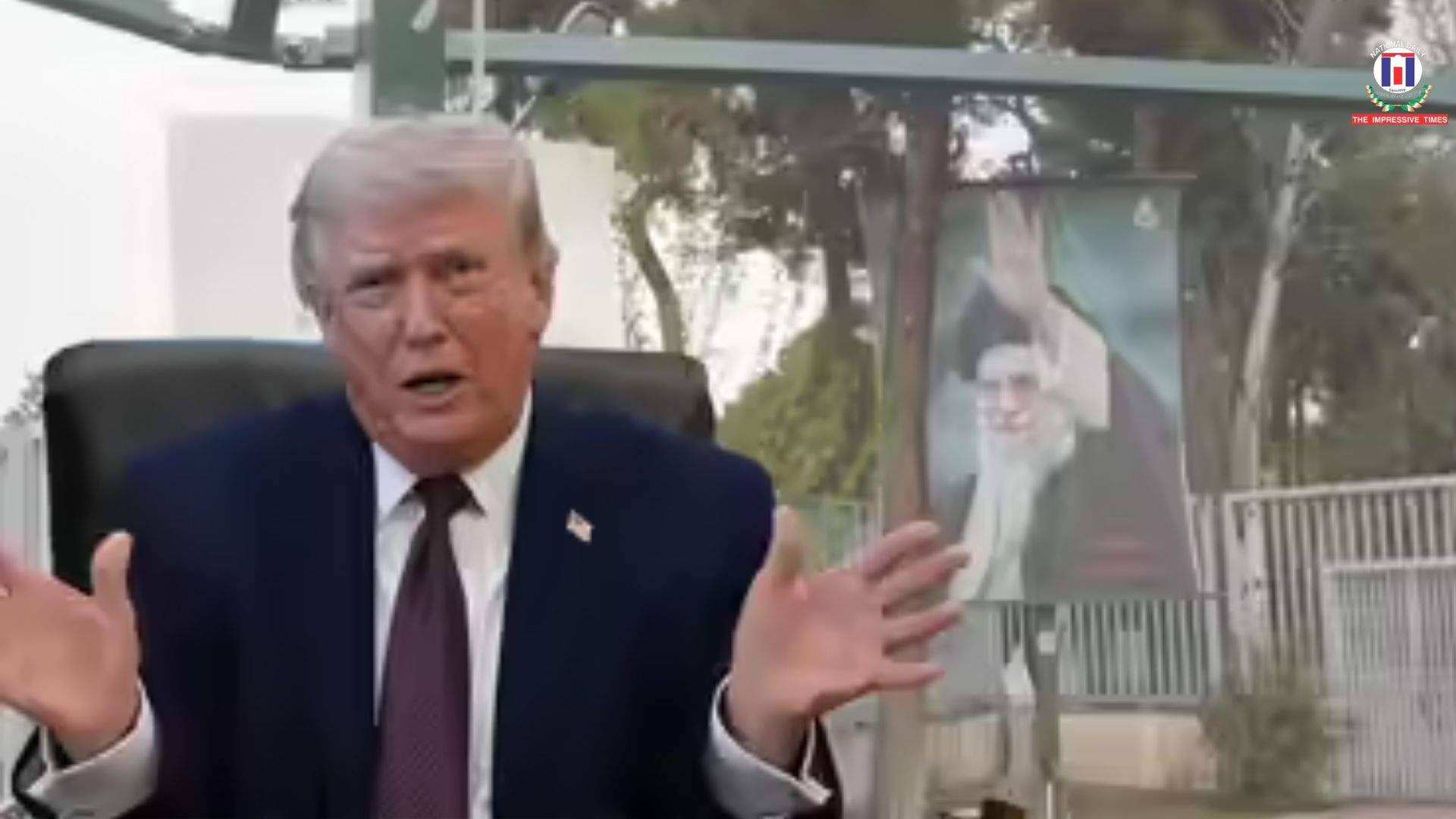
U.S. President Donald Trump addressed the nation on April 1, outlining Washington’s position. His remarks emphasized that recent strikes were aimed at curbing Iran’s nuclear ambitions and limiting its regional influence. However, he stopped short of announcing any major escalation or a ceasefire, leaving the long-term direction of the conflict unclear.
Trump also clarified that regime change in Iran is not an objective, while asserting that key Iranian capabilities had been severely weakened. At the same time, he hinted at the possibility of targeting Iran’s industrial and energy infrastructure if tensions persist.
Despite these claims, developments on the ground suggest that Iran’s position remains far from weakened. Tehran has demonstrated its ability to respond through multiple channels, including targeting U.S. military installations and regional adversaries. This indicates that Iran still possesses the means to escalate the conflict beyond direct confrontation zones.
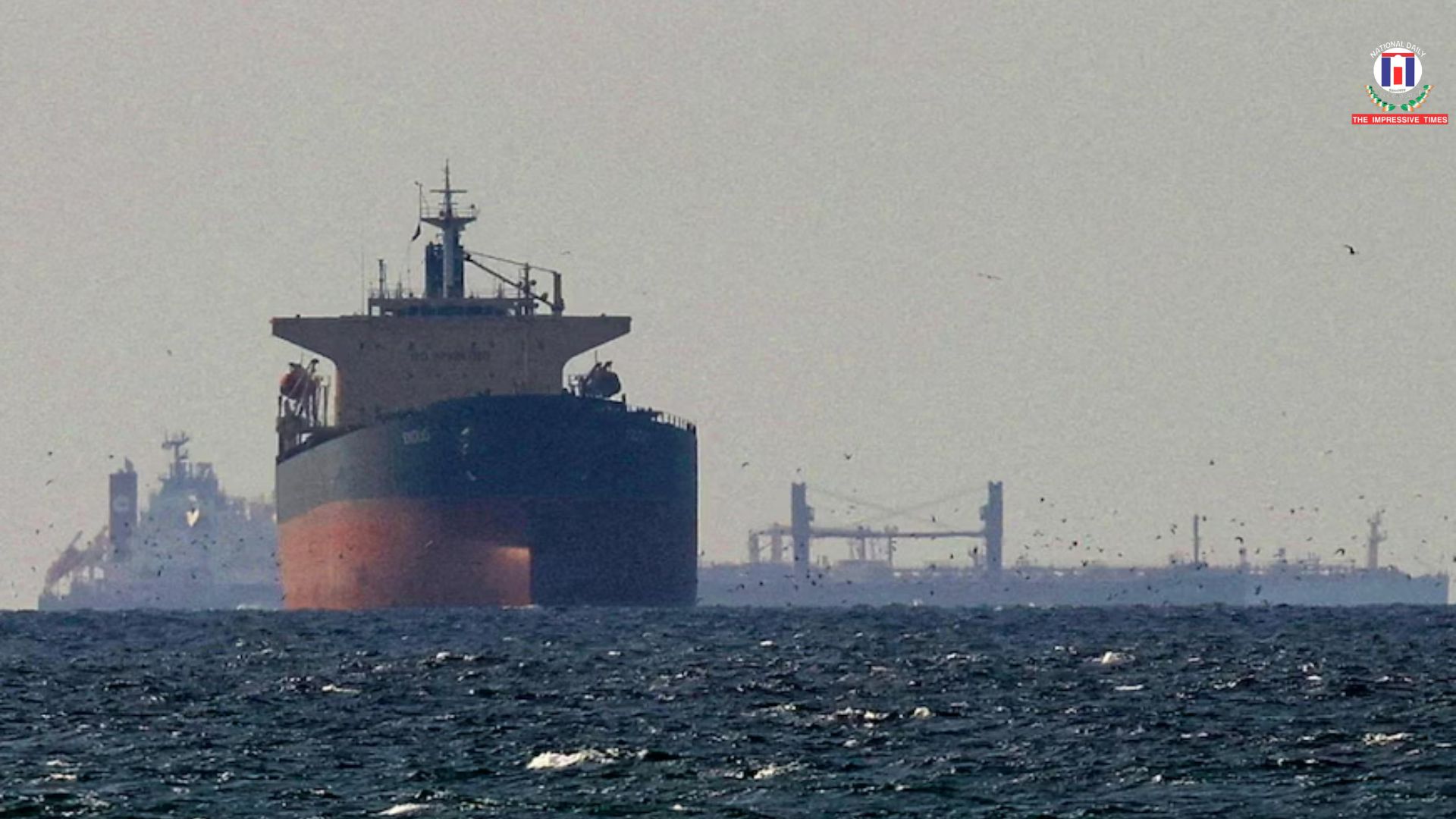
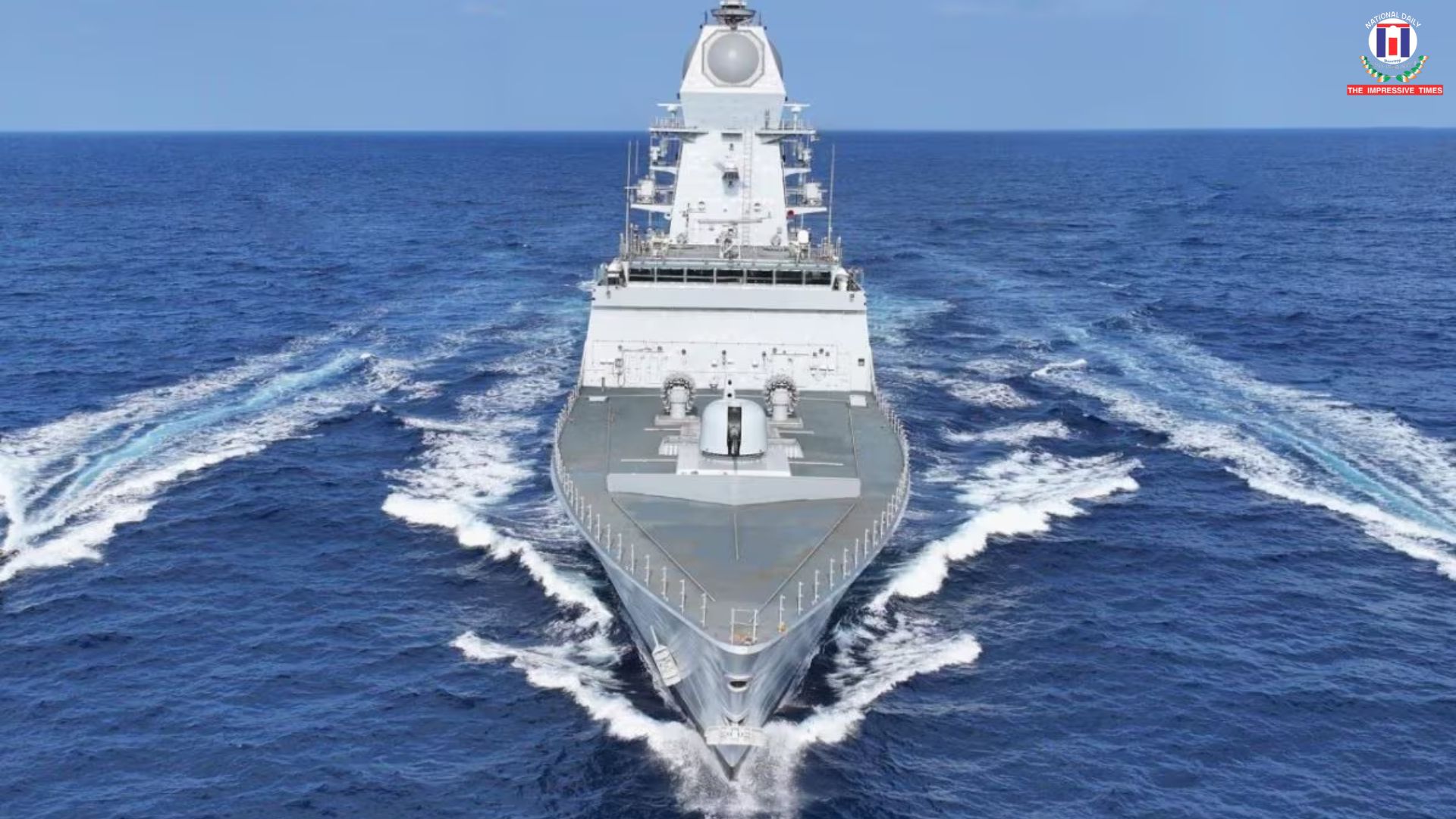
A critical factor in the situation is the strategic importance of the Strait of Hormuz. Iran has the potential to disrupt this vital passage, through which a significant portion of the world’s oil and gas supply flows. Any disruption here could have far-reaching global economic consequences.
Experts note that while Iran may be facing immediate military setbacks, its broader strategy appears focused on endurance and asymmetric responses. This approach could complicate efforts by the U.S. and Israel to secure a decisive outcome.
As the conflict continues, the gap between battlefield developments and long-term strategic realities remains a key factor shaping the evolving situation.




































No Comments: