Dr. Mansukh Mandaviya Highlights India’s Social Justice & Poverty Alleviation Achievements at Global Forums in Doha
Dr. Mandaviya Holds Bilateral Meetings with Leaders from Romania, Russia, Qatar, EU and ILO to Strengthen Cooperation in Labour, Skills and Social Protection
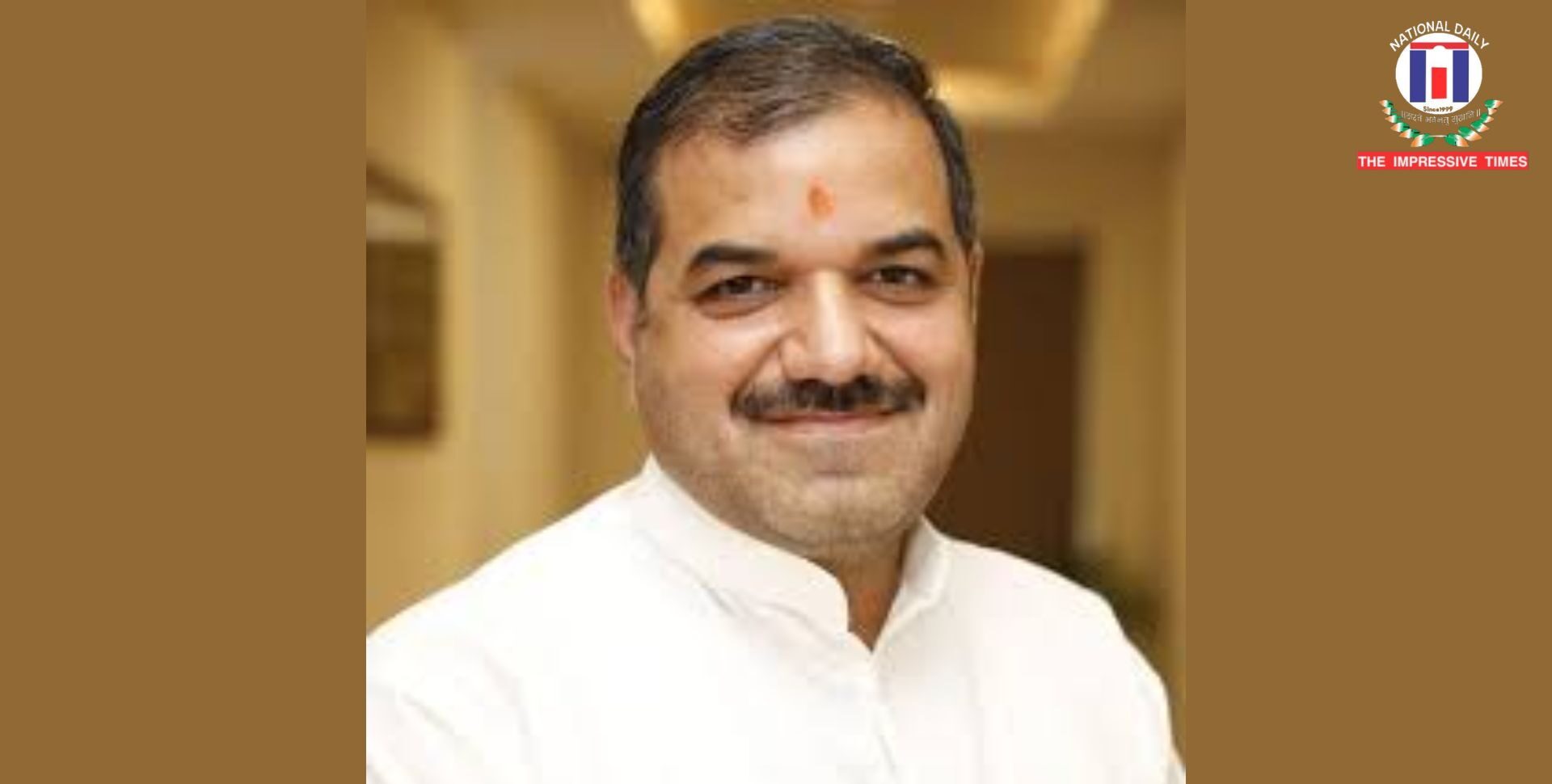
Doha, Qatar / New Delhi, November 6, 2025: Union Minister for Labour & Employment and Youth Affairs & Sports, Dr. Mansukh Mandaviya, spotlighted India’s remarkable strides in social justice, poverty alleviation, and social protection during multiple high-level sessions at the Second World Summit for Social Development in Doha, Qatar.

Speaking at a side event organised by NITI Aayog, titled “Pathways Out of Poverty: India’s Experience in Empowering the Last Mile,” Dr. Mandaviya showcased India’s transformative development journey. He noted that nearly 250 million people have been lifted out of multidimensional poverty, while social security coverage has expanded to over 64% of the population. The Minister underlined that women and children remain central to India’s social vision, citing initiatives such as the Mid-Day Meal Scheme benefiting over 118 million schoolchildren and the empowerment of women through Self-Help Groups driving grassroots entrepreneurship.
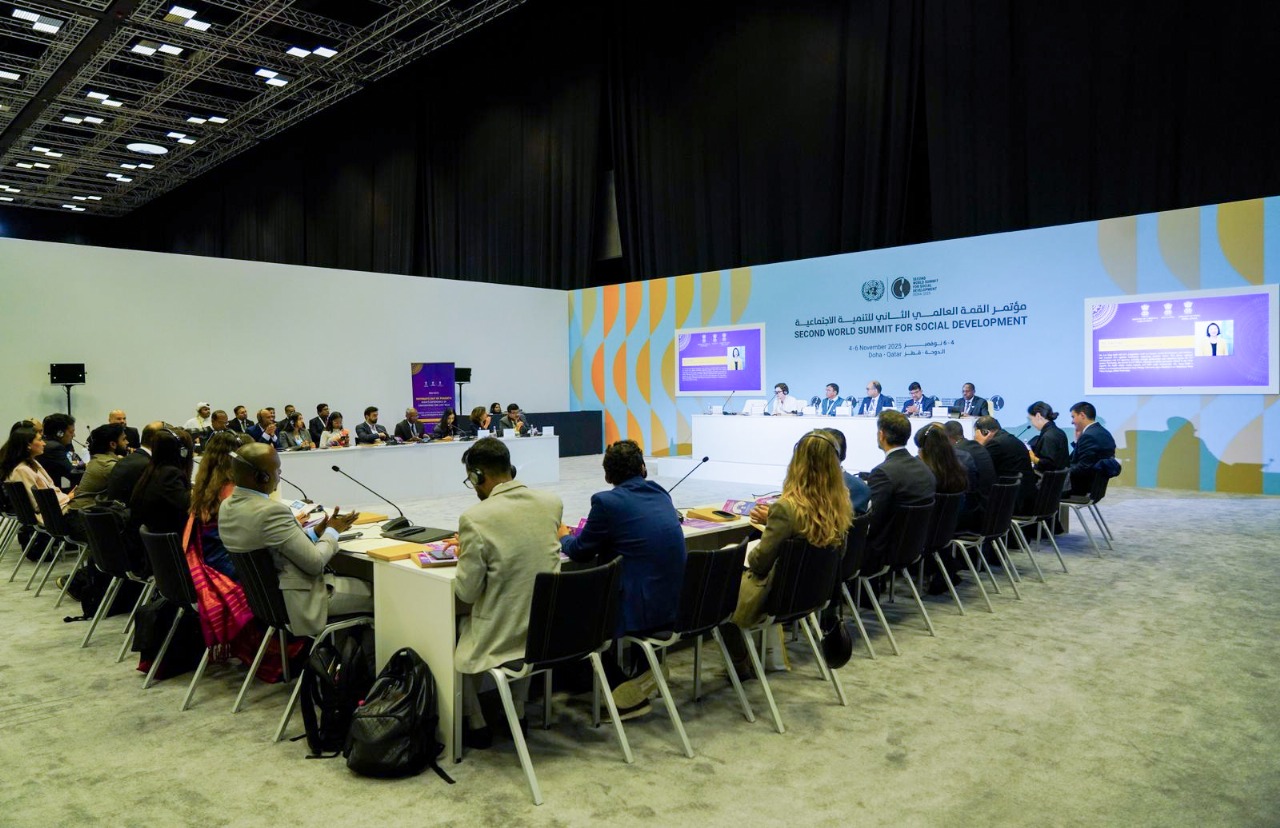
Dr. Mandaviya emphasised the critical role of digital governance in ensuring transparency and inclusion. Highlighting the impact of the JAM Trinity (Jan Dhan, Aadhaar, Mobile), he said it had revolutionised welfare delivery systems. He also mentioned that over 14 million youth have received training under the Skill India Mission, while the Pradhan Mantri Viksit Bharat Rojgar Yojana aims to generate 35 million new formal jobs.
At the Spotlight Session of the Global Coalition for Social Justice, hosted by the International Labour Organization (ILO), the Union Minister reaffirmed India’s unwavering commitment to advancing social justice and responsible business practices. He shared that between 2017 and 2023, India created over 170 million jobs, reduced unemployment from 6% to 3.2%, and nearly doubled women’s participation in the workforce.


Dr. Mandaviya lauded the ILO and the Global Coalition for fostering global dialogue on equitable growth. He recalled that India hosted the first Regional Dialogue on Social Justice in February 2025, where more than 21 organisations, including major employer associations and trade unions, pledged to join the Coalition.
During his visit, Dr. Mandaviya also held a series of bilateral meetings with global counterparts to deepen cooperation in labour, skills, and social protection. In his meeting with Buthaina Bint Ali Al Jabr Al Nuaimi, Minister of Social Development and Family of Qatar, both leaders discussed collaboration in social protection, family welfare, and digital innovation. The Minister highlighted India’s robust digital infrastructure, including the e-Shram platform and UPI’s growing global acceptance, particularly in Qatar.
In talks with Petre-Florin Manole, Minister of Labour and Social Solidarity of Romania, Dr. Mandaviya emphasised India’s social protection expansion from 19% in 2015 to 64.3% in 2025, benefiting over 940 million citizens. The discussions also covered the Education-to-Employment (E2E) initiative, focusing on skill development and cultural exchange.
The Minister also met Gilbert F. Houngbo, Director-General of the ILO, to discuss deeper collaboration in labour mobility, social protection, and skill development. He welcomed ILO’s technical cooperation and expressed India’s interest in enhanced engagement during its BRICS Presidency in 2026.
In his meeting with Anton Olegovich Kotyakov, Minister of Labour and Social Protection of Russia, Dr. Mandaviya reaffirmed India’s Special and Privileged Strategic Partnership with Russia and discussed closer cooperation in multilateral forums including the UN, G20, and BRICS. He also interacted with Roxana Minzatu, EU Executive Vice President for Social Rights and Skills, proposing structured labour mobility partnerships and enhanced training collaborations to meet emerging skill demands in Europe.
Concluding his engagements, Dr. Mandaviya met members of the Indian community in Qatar, expressing pride in their contributions as vital partners in the India–Qatar relationship. He highlighted India’s rapid economic growth, digital transformation, and infrastructure progress under Viksit Bharat 2047, reaffirming that the Indian diaspora remains an integral part of the nation’s global success story.

















No Comments: