Health Ministry Holds Swachhata Hi Seva 2026 Cleanliness Drive in Delhi
Senior officials lead Shramdaan at Kartavya Bhawan, emphasising public participation and the link between sanitation and better health

 The Impressive Times
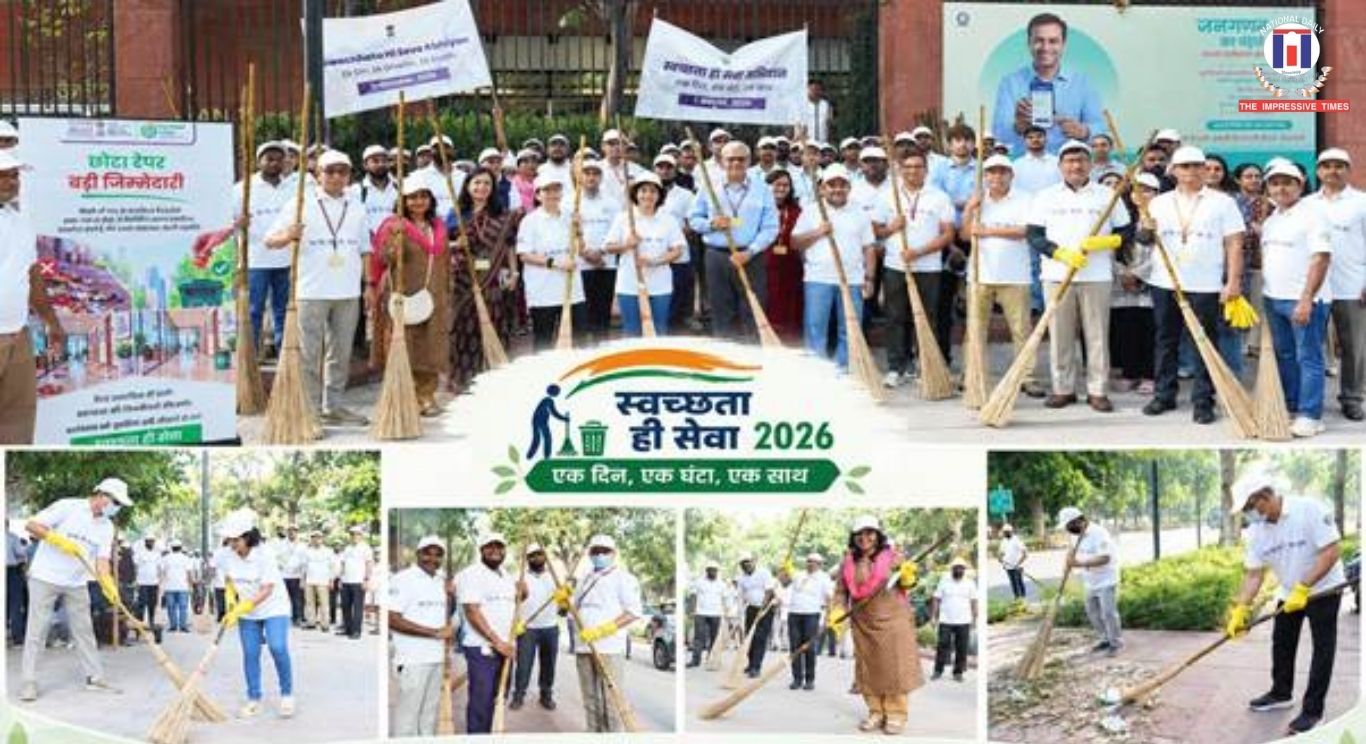
New Delhi, October 1: The Union Ministry of Health and Family Welfare organised a voluntary cleanliness drive under the Swachhata Hi Seva 2026 campaign near Gate No. 3 of Kartavya Bhawan-1 on Dr Rajendra Prasad Marg in New Delhi on Thursday.
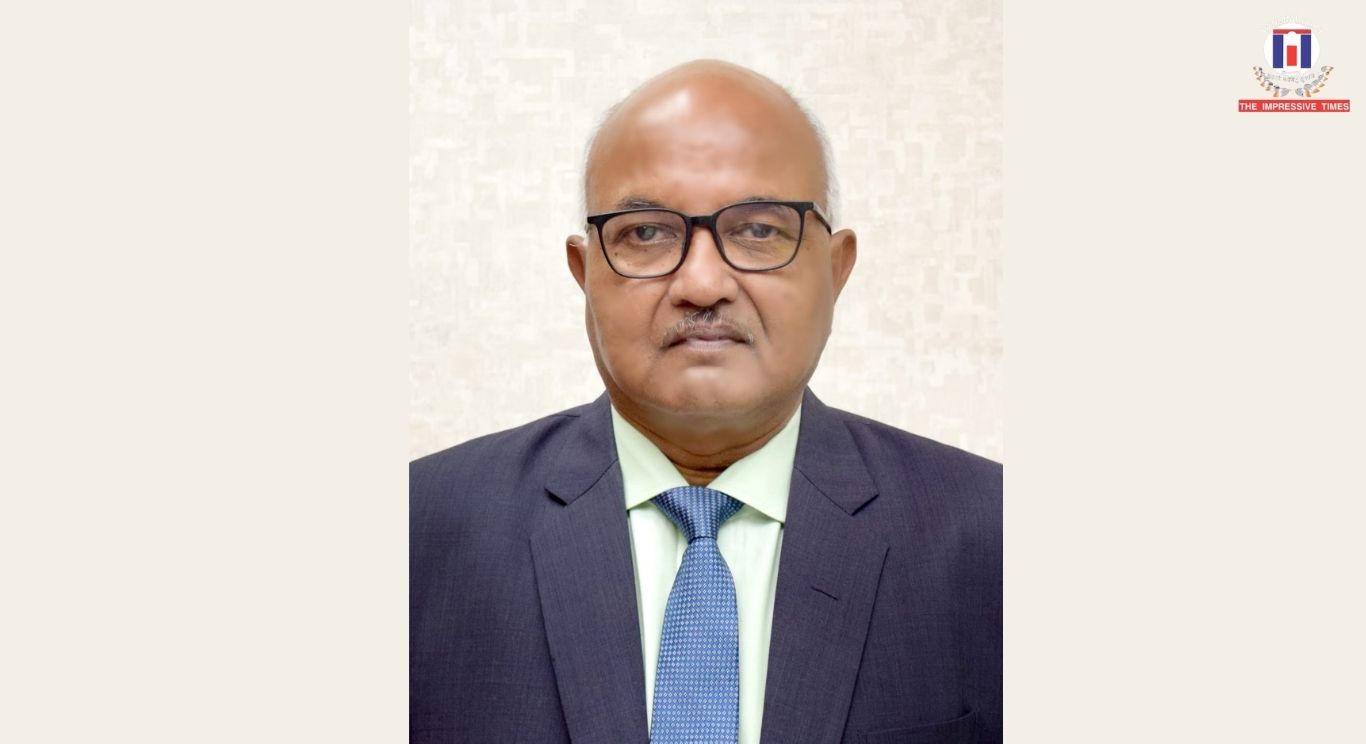
The Shramdaan was led by Dr Rajiv Bahl, Secretary, Department of Health Research and Director General, Indian Council of Medical Research (ICMR). Senior officials and staff from the Ministry joined the drive, reinforcing the campaign’s message of collective responsibility for maintaining clean public spaces.
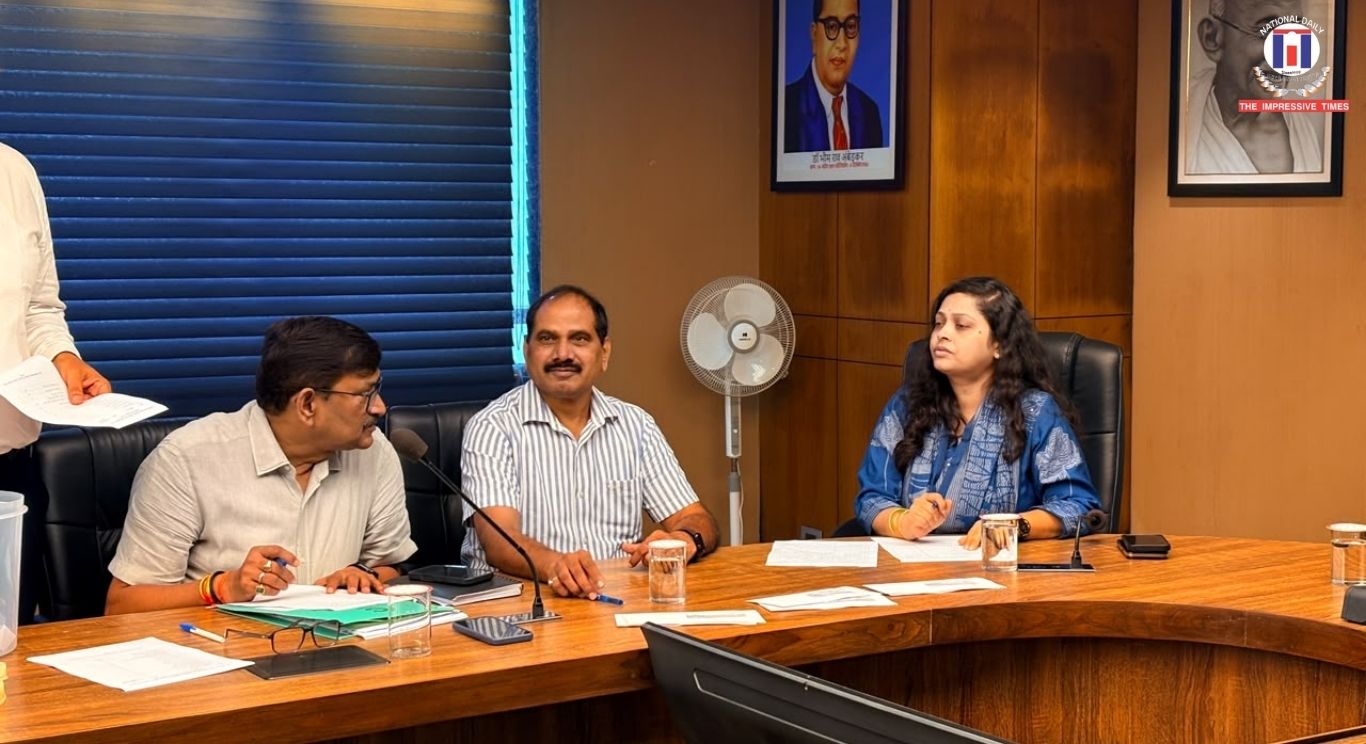
Among those participating were Aradhana Patnaik, Additional Secretary and Mission Director, National Health Mission; Dr Rakesh Gupta, Additional Secretary and Director General, National AIDS Control Organization; and Dr Lavneesh G. Krishna, Director General of Health Services, along with other senior officials and employees.
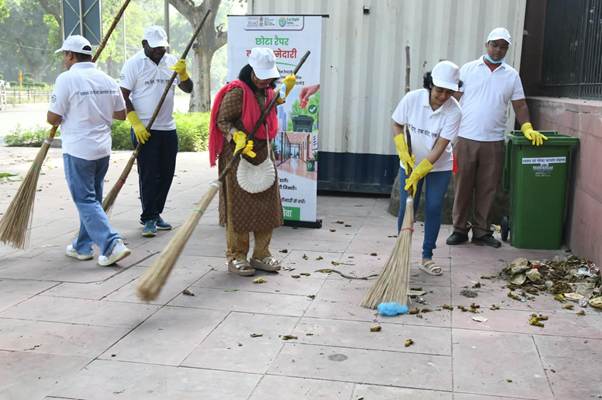
The participants took part in the cleanliness activity with enthusiasm, reflecting the campaign theme of “One Day, One Hour, Together.”
Addressing the media, Dr Rajiv Bahl stressed that cleanliness should be treated as a continuous collective effort rather than a one-time activity. He encouraged both government officials and citizens to contribute actively towards maintaining hygienic and healthy surroundings.
Aradhana Patnaik highlighted the importance of public participation and individual responsibility in creating and sustaining clean public spaces. She noted that responsible behaviour by citizens is essential for ensuring long-term sanitation efforts.
The cleanliness drive formed part of the ongoing Swachhata Hi Seva 2026 campaign, which seeks to strengthen public participation in sanitation initiatives across the country.
The campaign promotes the idea that cleanliness is not limited to the responsibility of government institutions. Sustained community involvement, responsible waste management and active citizen participation are considered essential for creating cleaner and healthier public spaces.
The Ministry of Health and Family Welfare reiterated its commitment to the objectives of Clean India, highlighting the close relationship between sanitation, public health and healthy lifestyles.
The Ministry also stressed the importance of continued awareness, responsible waste disposal and citizen engagement to build clean, healthy and sustainable public spaces.


















No Comments: