Why Your Lips Get Dry as Winter Approaches and How to Protect Them
Dry lips become common as temperatures fall. Learn why winter causes chapping and how lip balm, hydration and SPF can help protect your lips

 The Impressive Times
TIT Correspondent
info@impressivetimes.com
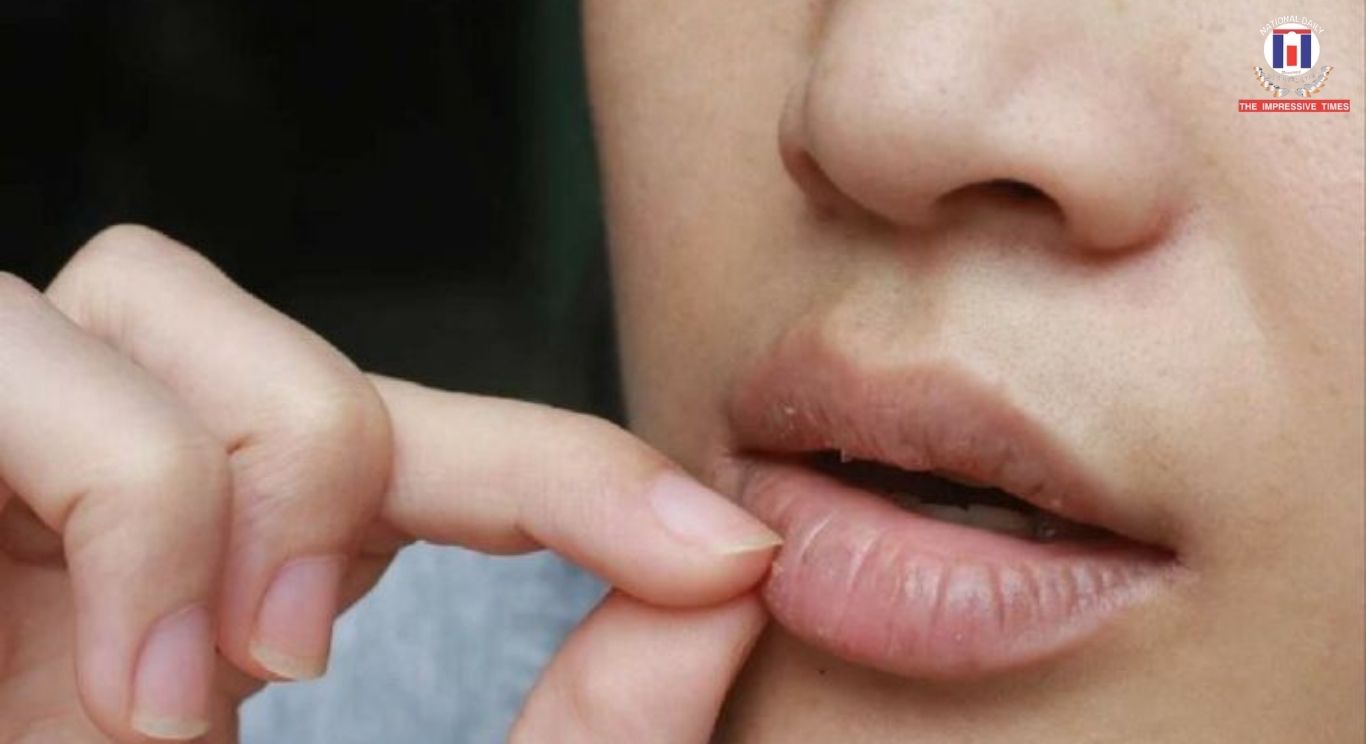
As temperatures begin to fall and the air becomes drier, one of the first places where many people notice the seasonal change is their lips. Dryness, peeling, tightness and small cracks can become common as the weather shifts from warm and humid to cooler conditions.
Unlike much of the skin on the body, lips have a thinner protective barrier and are particularly vulnerable to environmental conditions. Cold air, wind, low humidity, sun exposure and dehydration can all contribute to chapped lips. (American Academy of Dermatology)
For people preparing their winter skincare routines, lip care is therefore worth treating as a daily habit rather than something to consider only after the lips start cracking.
Cold weather often comes with lower humidity, which can make it harder for the skin to retain moisture. Indoor heating can further reduce humidity, creating dry conditions both outdoors and indoors. (American Academy of Dermatology)
Wind can also increase moisture loss from exposed skin.
The result can be lips that feel tight, rough or flaky. In more severe cases, they may develop painful cracks.
When lips feel dry, licking them may seem like the easiest solution.
But the relief is temporary.
As saliva evaporates, it can leave the lips even drier. Repeated licking can therefore contribute to a cycle of dryness and irritation. Dermatologists recommend using a non-irritating lip balm instead of repeatedly wetting the lips with saliva. (American Academy of Dermatology)
Picking or biting flaky skin can also slow the healing process and cause additional irritation.
A common mistake is assuming that any lip product will help.
Some products contain ingredients that can irritate already-dry lips. The American Academy of Dermatology recommends avoiding potentially irritating ingredients such as menthol, camphor, eucalyptus, fragrance and certain flavourings when lips are chapped. (American Academy of Dermatology)
If a lip product causes burning, stinging or uncomfortable tingling, that is not necessarily a sign that it is “working”. It may indicate irritation, according to dermatologists. (American Academy of Dermatology)
For very dry lips, thicker ointments can be useful because they help seal in moisture.
Dermatologists recommend looking for products containing ingredients such as petrolatum, mineral oil, ceramides, dimethicone or shea butter. Plain white petroleum jelly is also recommended for severely dry or cracked lips. (American Academy of Dermatology)
A simple routine can be:
Winter does not mean the lips can be ignored when it comes to sun protection.
The American Academy of Dermatology recommends using a broad-spectrum lip balm with SPF 30 or higher before going outdoors and reapplying it approximately every two hours while outside. (American Academy of Dermatology)
Sun exposure can damage the lips throughout the year, including during colder months.
Cold weather can make people less conscious of thirst, but maintaining adequate fluid intake remains important.
Drinking enough water is one of the basic measures recommended for preventing and managing dry lips. (American Academy of Dermatology)
However, persistent chapped lips should not automatically be blamed on dehydration. Environmental exposure, irritating products, allergies and other conditions can also be responsible.
If indoor air becomes particularly dry, a humidifier can add moisture to the environment.
The American Academy of Dermatology specifically recommends considering a humidifier, particularly in the bedroom, for people dealing with dry skin and lips. (American Academy of Dermatology)
Keeping the sleeping environment comfortably humid can be especially useful when heating or other indoor conditions make the air dry.
Most ordinary cases of chapped lips improve with basic protection and moisturising.
But persistent or unusually severe dryness should not always be treated as a seasonal problem.
The NHS advises seeking medical advice if lips become hot, painful and swollen, as this may indicate an infection. Persistent dryness that does not improve can also have causes other than weather, including allergies or certain medical conditions. (nhs.uk)
The American Academy of Dermatology notes that if chapped lips do not improve within around two to three weeks despite appropriate care, a dermatologist should evaluate them. (American Academy of Dermatology)
As winter approaches, protecting the lips does not require a complicated routine.
A gentle lip balm, regular moisturising, adequate hydration, sun protection and avoiding habits such as lip licking can go a long way.
The bigger lesson is that lip care should begin before the cracks appear.
Once colder, drier weather arrives, a few simple changes to your daily routine can help keep lips comfortable throughout the season.













































No Comments: