Why Vitamin D, B12 and Iron Get More Attention After 30
The takeaway is simple: turning 30 is not a vitamin prescription. It is a good reminder to pay closer attention to what your diet and lifestyle are actually providing.

 The Impressive Times
TIT Correspondent
info@impressivetimes.com
Turning 30 does not suddenly change the body’s nutritional requirements overnight. But as people move through adulthood, certain nutrients can deserve closer attention because of dietary patterns, lifestyle, menstrual blood loss, limited sunlight exposure and changes in nutrient absorption.
Among the nutrients frequently discussed are vitamin D, vitamin B12 and iron.
They play different roles in the body — from bone and muscle function to red blood cell formation and the nervous system. However, experts stress that supplements should not be taken simply because someone has crossed a particular age. The first step is understanding individual nutritional needs and, when appropriate, checking for deficiency.
India’s ICMR-National Institute of Nutrition (NIN) continues to emphasise balanced diets and adequate nutrient intake through its Dietary Guidelines for Indians 2024.
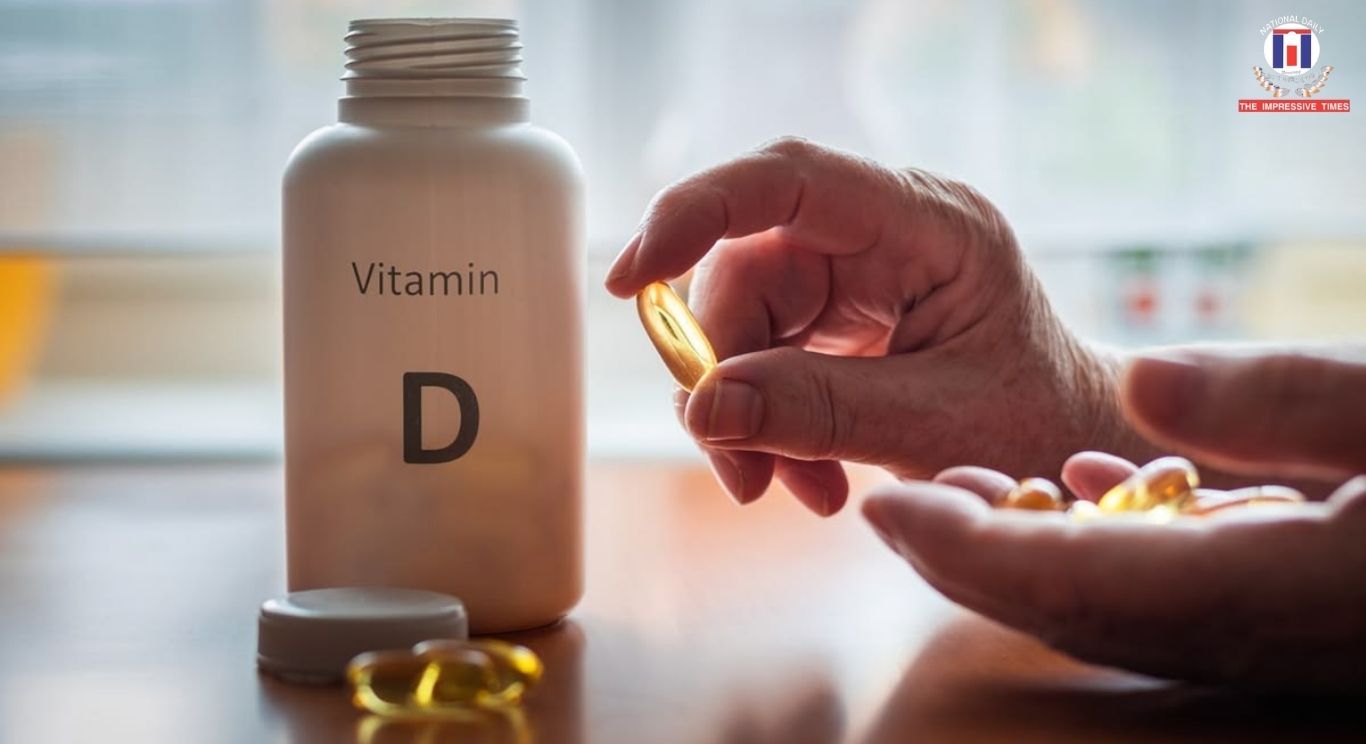
Vitamin D is important for calcium absorption and healthy bones. It also contributes to normal muscle and immune function. For adults aged 19–70, the US National Institutes of Health lists a recommended intake of 600 IU (15 mcg) per day.
One reason vitamin D receives so much attention among urban adults is lifestyle.
Long working hours indoors, commuting, limited outdoor activity and spending much of the day away from direct sunlight can reduce opportunities for the body to produce vitamin D.
An Indian expert consensus published in 2025 defines vitamin D deficiency as a blood 25-hydroxyvitamin D level below 20 ng/mL, although interpretation should be made in the appropriate clinical context.
That does not mean every adult needs a vitamin D supplement.
A blood test and advice from a healthcare professional are more appropriate when deficiency is suspected.
Vitamin B12 is involved in healthy red blood-cell formation, DNA synthesis and normal nervous-system function. Adults generally require 2.4 mcg per day according to NIH guidance.
Diet can make a significant difference.
Vitamin B12 occurs naturally mainly in foods of animal origin, including milk and other dairy products, eggs, fish, meat and poultry. Plant foods generally do not naturally contain B12 unless they are fortified.
This makes B12 particularly relevant for people who consume little or no animal-derived food.
The issue is not limited to diet. Certain gastrointestinal conditions, some surgeries and prolonged use of particular medicines can also interfere with B12 absorption.
B12 deficiency can be associated with fatigue, anaemia and neurological symptoms such as numbness or tingling, although these symptoms can have many other causes.
Iron is essential for making haemoglobin, the protein in red blood cells that carries oxygen around the body.
For adults aged 19–50, the NIH recommended intake is 8 mg a day for men and 18 mg for women. People following vegetarian diets may require more dietary iron because iron from plant foods is absorbed less efficiently than heme iron from animal foods.
For women who menstruate, iron deserves particular attention because regular blood loss can increase iron requirements.
India’s nutrition guidelines also emphasise iron-rich foods and note that vitamin-C-rich foods can improve absorption of iron from plant sources. They advise avoiding tea around meals because compounds in tea can reduce iron absorption.
India continues to face a substantial anaemia burden. NFHS-5 data reported anaemia among 57.0% of women aged 15–49 nationally in the survey’s overall estimates, highlighting why iron remains an important public-health nutrition issue.
No.
Age 30 by itself is not an indication to start vitamin D, B12 or iron supplements.
Nutrient requirements vary according to diet, sex, pregnancy status, lifestyle and health conditions. Some people may obtain adequate amounts through food, while others may need supplementation after a deficiency is identified.
Iron is particularly important to avoid taking unnecessarily because excess iron can be harmful.
For vitamin D, high-dose supplementation should also not be started casually. The appropriate dose depends on whether someone is maintaining adequate levels or treating an actual deficiency.
For most healthy adults, a varied diet remains the foundation of good nutrition.
ICMR-NIN’s Dietary Guidelines for Indians 2024 similarly emphasise dietary diversity and nutrient-rich foods rather than relying on supplements as a replacement for a balanced diet.
Feeling tired does not automatically mean you have a vitamin deficiency.
Fatigue, weakness, hair changes, poor concentration and other symptoms can have numerous causes. Self-diagnosing based on symptoms alone can therefore be misleading.
If deficiency is suspected, a doctor can decide whether blood tests or other investigations are appropriate.
The conversation around vitamins after 30 is less about taking a long list of supplements and more about becoming more aware of nutrition.
A busy work schedule can make balanced meals difficult. Vegetarian or restricted diets can affect particular nutrient intakes. Indoor lifestyles can reduce sun exposure. And for many women, menstrual blood loss can make iron particularly relevant.
The 30s can therefore be a useful time to review eating habits rather than automatically adding pills to the daily routine.

































No Comments: