Grey Hair Before 35 May Signal More Than Premature Ageing, Dermatologist Explains
Grey hair before 35 can have several causes. A dermatologist explains the role of genetics, stress and nutritional deficiencies in premature greying.

 The Impressive Times
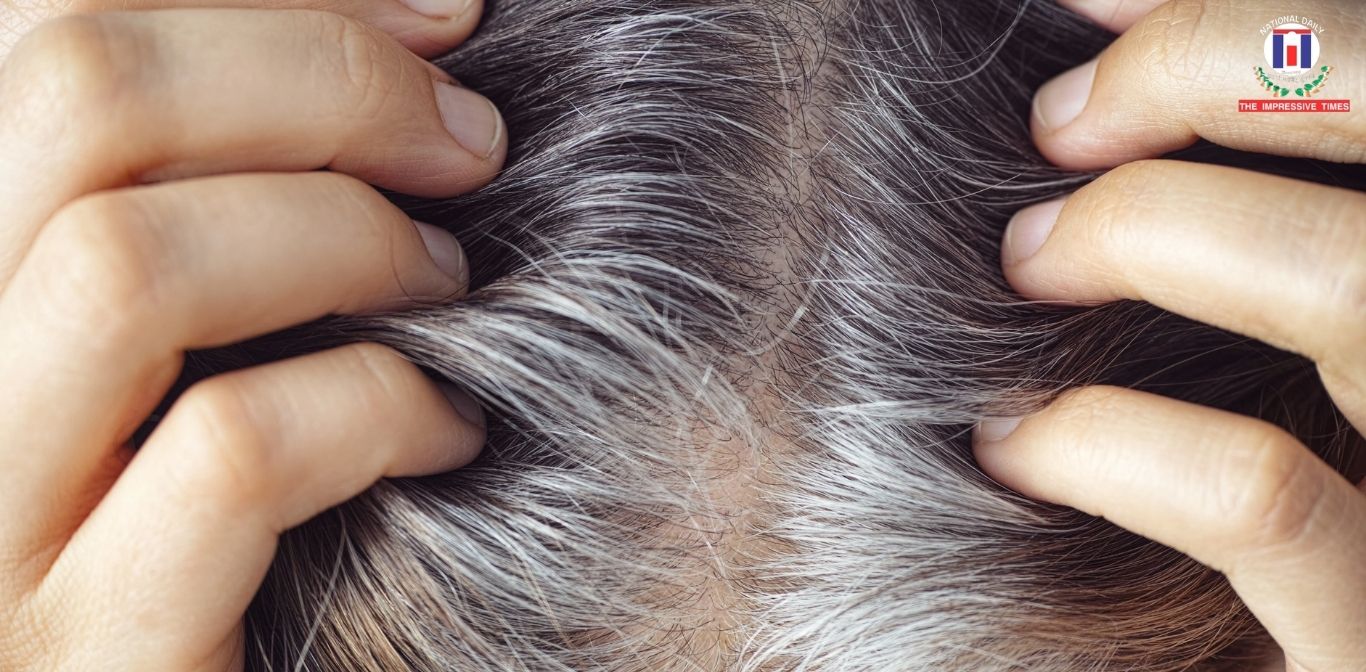
New Delhi, August 24, 2026; The appearance of grey hair in the 20s or early 30s is increasingly common, but premature greying is not always linked to a single cause. Genetics, lifestyle factors, stress and certain nutritional deficiencies may all influence when hair begins to lose its natural colour.
The connection between stress and premature greying has attracted growing attention. Prolonged psychological stress can affect the cells responsible for maintaining hair pigmentation, potentially contributing to earlier loss of colour.
However, the idea that stress simply “uses up minerals” and therefore causes grey hair is considered an oversimplification. Nutritional deficiencies can play a role in some cases, but they are not necessarily the explanation for every person experiencing premature greying.
According to dermatologist Dr Shareefa Chause of Dr Shareefa Skin Care Clinic, Mumbai, deficiencies involving nutrients such as vitamin B12, iron, folate, copper and vitamin D may be associated with hair and pigmentation changes in some individuals. Identifying an actual deficiency, however, requires appropriate medical evaluation rather than assuming that grey hair is caused by a lack of minerals.
Family history also remains an important factor. People with a strong genetic tendency towards premature greying may notice changes at a relatively young age even when their diet and overall health are normal.
Lifestyle factors, including inadequate nutrition, smoking, poor sleep and prolonged stress, may further influence hair health. Managing stress and maintaining a balanced diet can support overall hair health, although these measures cannot necessarily reverse established grey hair.
Experts therefore advise against taking mineral or vitamin supplements solely because grey strands have appeared. If greying begins unusually early or progresses rapidly, consulting a dermatologist can help determine whether an underlying nutritional or health-related issue needs attention.
Premature greying is often a combination of genetic and environmental influences rather than the result of one isolated deficiency. A proper assessment is the most reliable way to identify whether nutrition or another underlying factor is contributing to the change.
















































No Comments: