
 The Impressive Times
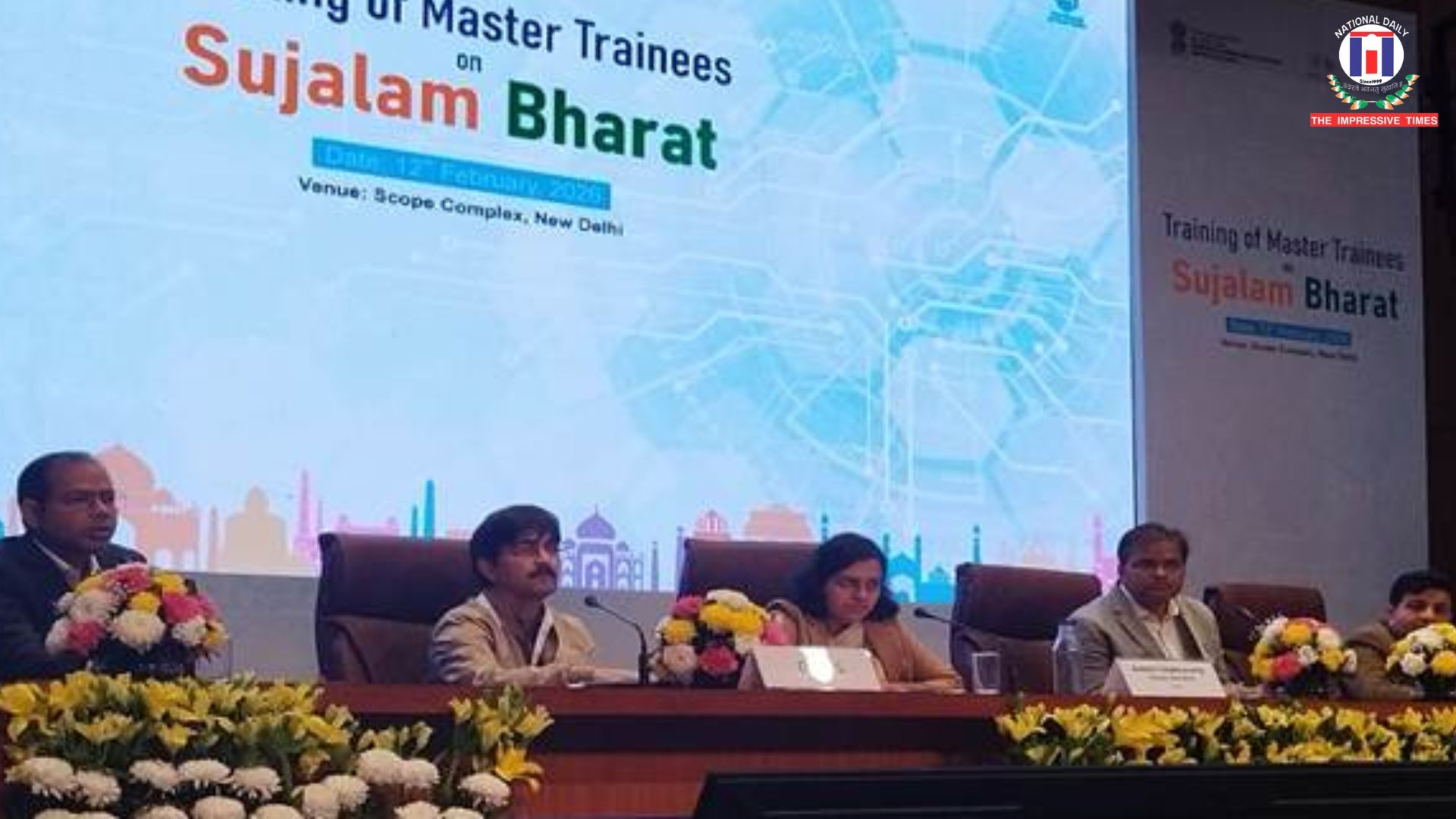
New Delhi, February 12:As rural tap water coverage under the Jal Jeevan Mission (JJM) crosses 81 percent, the Centre has shifted its focus from building infrastructure to ensuring efficient operation, maintenance and monitoring of drinking water systems. In a significant step toward this transition, the Department of Drinking Water and Sanitation (DDWS) under the Ministry of Jal Shakti organized a national-level Training of Master Trainers (ToT) programme on Thursday in New Delhi.
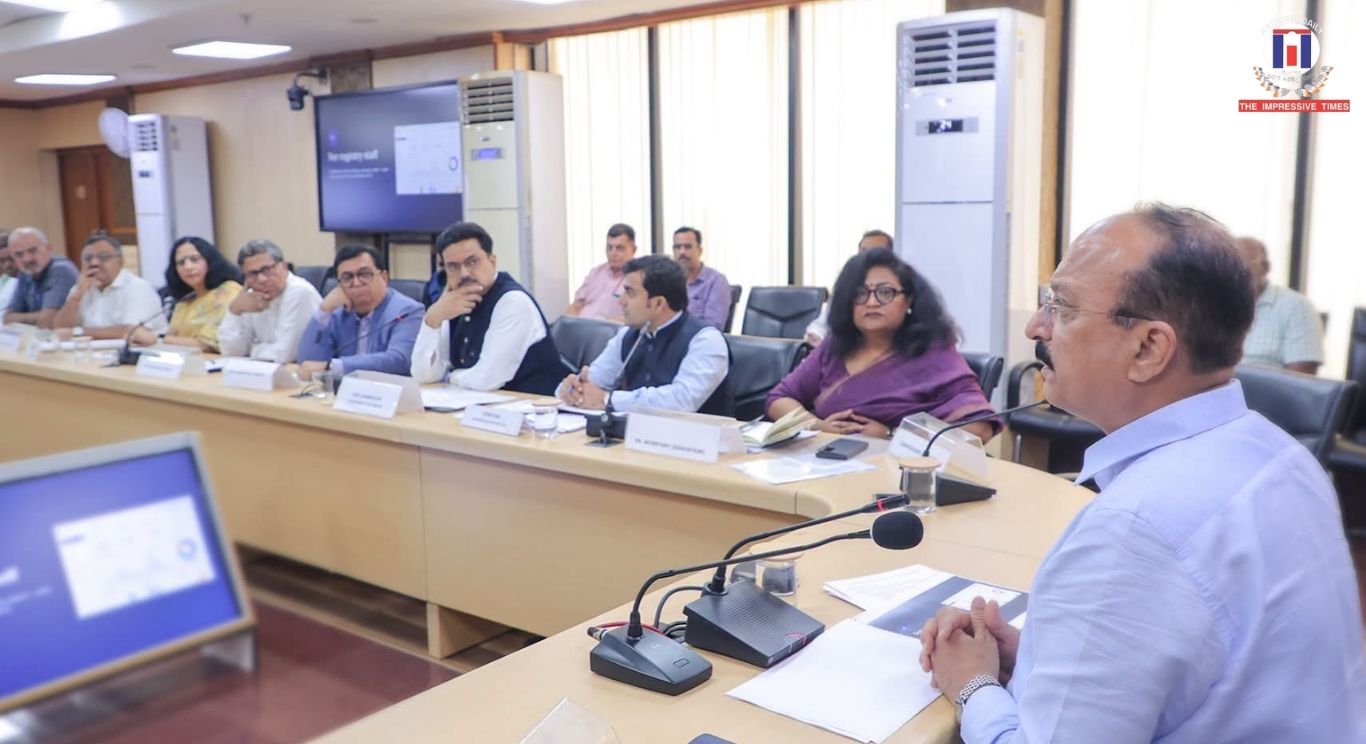
The training, held at the SCOPE Complex, centered on the Sujalam Bharat digital platform and the rollout of District Technical Units (DTUs), two key components aimed at strengthening digital governance in rural water supply management.
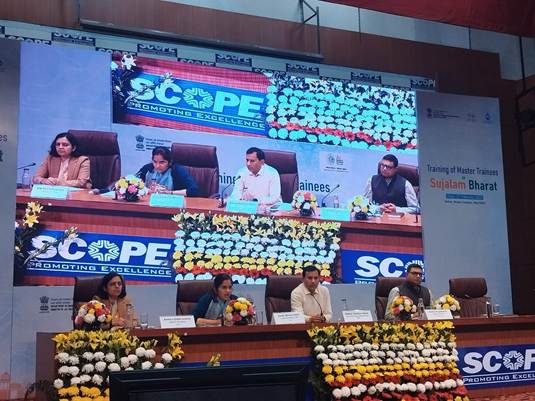
At the heart of the initiative is the creation of a comprehensive digital registry for rural water supply infrastructure. The Sujalam Bharat platform is designed to map and integrate every component of a drinking water scheme—from source and treatment facilities to pipelines and household tap connections—through geo-tagging and real-time data capture.
Officials explained that each habitation will be assigned a unique Sujal Gaon ID, which will serve as a digital identity for rural water assets. This system will consolidate operational details, service metrics, and water quality records into a single, accessible framework. By linking infrastructure data with governance systems, authorities aim to improve transparency, accountability, and long-term planning.
Technical sessions conducted by experts from the National Informatics Centre (NIC) provided hands-on guidance on generating IDs through the JJM 2.0 dashboard. Participants were also trained in using the Sujalam Bharat mobile application for asset geo-referencing and on-ground verification.
Several States and Union Territories have already begun uploading data and tagging infrastructure assets, marking progress toward building a unified GIS-based inventory of rural drinking water schemes nationwide.
While the initial years of Jal Jeevan Mission focused on accelerating household tap connections, the extended phase prioritizes sustainability and consistent service delivery. In this context, the introduction of District Technical Units is being viewed as a structural reform to professionalize rural water management at the district level.
DDWS officials outlined that DTUs will function as technical support arms of the District Water and Sanitation Missions (DWSMs). These units will bring together engineers, water quality specialists, and consultants to oversee system functionality, preventive maintenance, and data-driven decision-making.
The framework also encourages integration of advanced digital tools such as predictive analytics and digital twin simulations to anticipate breakdowns and improve efficiency. Emphasis was placed on minimizing service interruptions and strengthening coordination between field teams and administrative authorities.
During the session, senior technical experts walked participants through the Jal Seva Aankalan (JSA) format, a structured evaluation mechanism to assess service performance across schemes. The discussion was followed by an interactive exchange addressing implementation challenges at the district level.
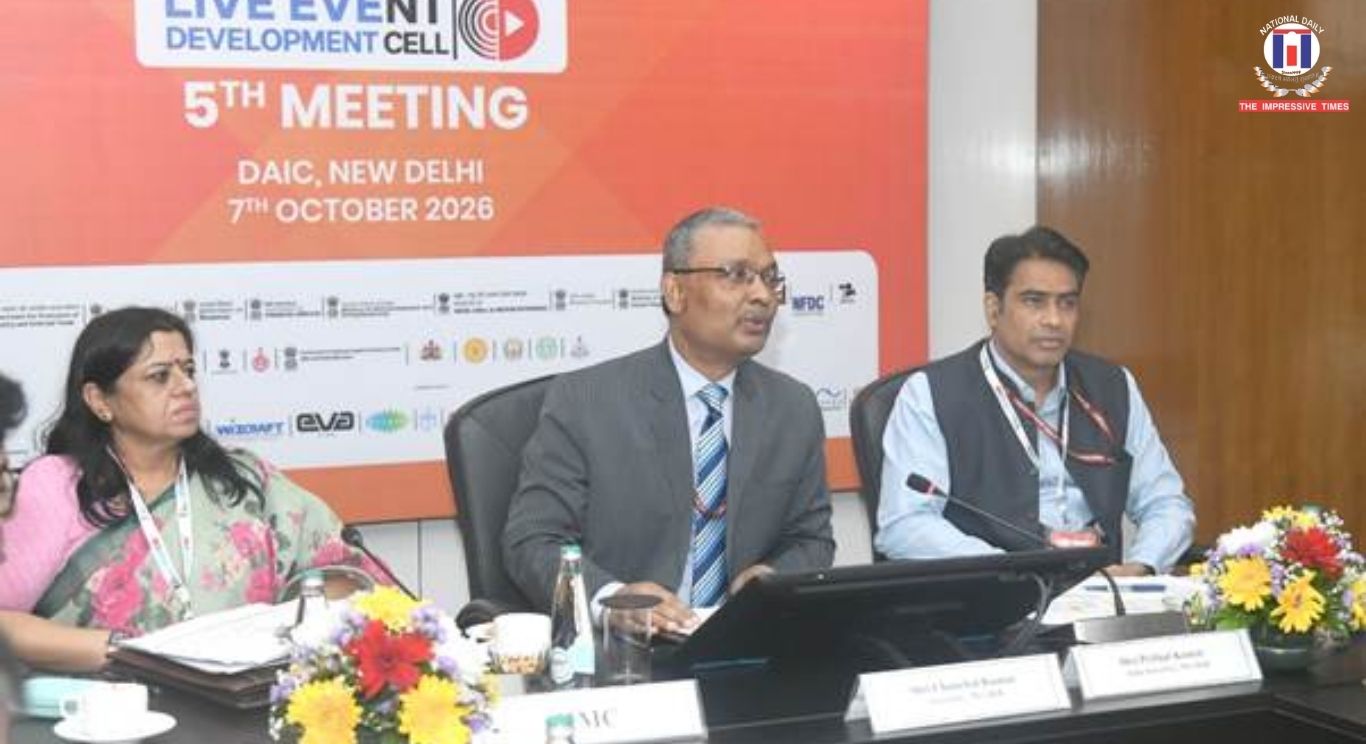
Addressing participants, Smt. Swati Meena Naik, Joint Secretary (Water), DDWS, stressed that the government’s objective is to ensure universal coverage with reliable service standards. She said every rural habitation would receive a digital identifier aligned with Local Government Directory (LGD) codes, creating a foundational database for all drinking water schemes.
According to her, the integration of physical infrastructure with digital monitoring systems will enable high-precision planning and advanced simulations at the State level. Such technological interventions are expected to significantly improve operational efficiency and enable predictive maintenance, reducing disruptions in water supply.
She emphasized that empowering engineers and administrators with digital tools would enhance transparency and support data-backed decision-making across the source-to-tap value chain.
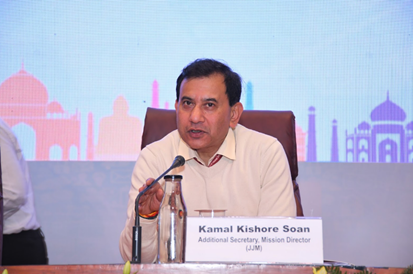
Kamal Kishore Soan, Additional Secretary and Mission Director of the National Jal Jeevan Mission, underscored the importance of institutional capacity-building in achieving sustainable water governance.
He highlighted that district administrations must adopt a data-centric approach to manage pipeline shutdowns, interlinked schemes, and financial tracking. Timely updating of asset maps, source information, and operational records, he noted, would ensure greater accountability and long-term system health.
The DTU in-charge will report directly to the District Collector, and performance reviews will be conducted in regular monthly meetings to track progress and address bottlenecks. By embedding preventive systems and fostering better coordination between technical and field teams, disruptions in rural water supply can be minimized, he added.
He also directed master trainers to conduct cascading training sessions at State, district, and Gram Panchayat levels, beginning with at least one round of training in February.
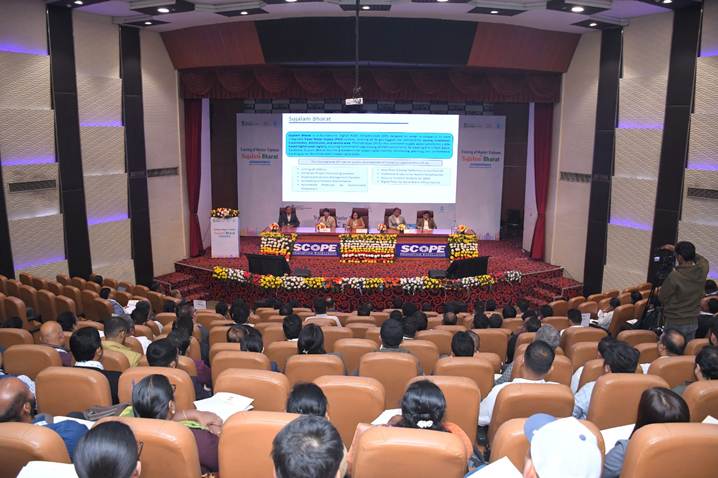
The programme was attended by Public Health Engineering Department (PHED) engineers, technical officers, and consultants nominated by States and Union Territories. These participants will now serve as master trainers, responsible for disseminating knowledge and operational expertise at regional and local levels.
Officials said the cascading training model will help institutionalize digital practices across administrative tiers, ensuring uniform adoption of the Sujalam Bharat platform and DTU framework.
The DDWS initiative aligns with the broader national vision of Viksit Bharat 2047, which emphasizes resilient infrastructure and digital transformation across sectors. By combining technological innovation with institutional reforms, the Ministry aims to build a robust rural water service ecosystem that prioritizes reliability, sustainability, and citizen trust.
Through the rollout of Sujal Gaon IDs and the operationalization of District Technical Units, the government seeks to create a transparent, technology-enabled water governance system capable of delivering uninterrupted and safe drinking water to every rural household in the country.
























No Comments: