Delhi artisans to gain access to global markets as CM Rekha Gupta approves ‘CM Skill Development Scheme’
12 days of training, ₹4,800 stipend, and direct access to digital marketplaces

 The Impressive Times
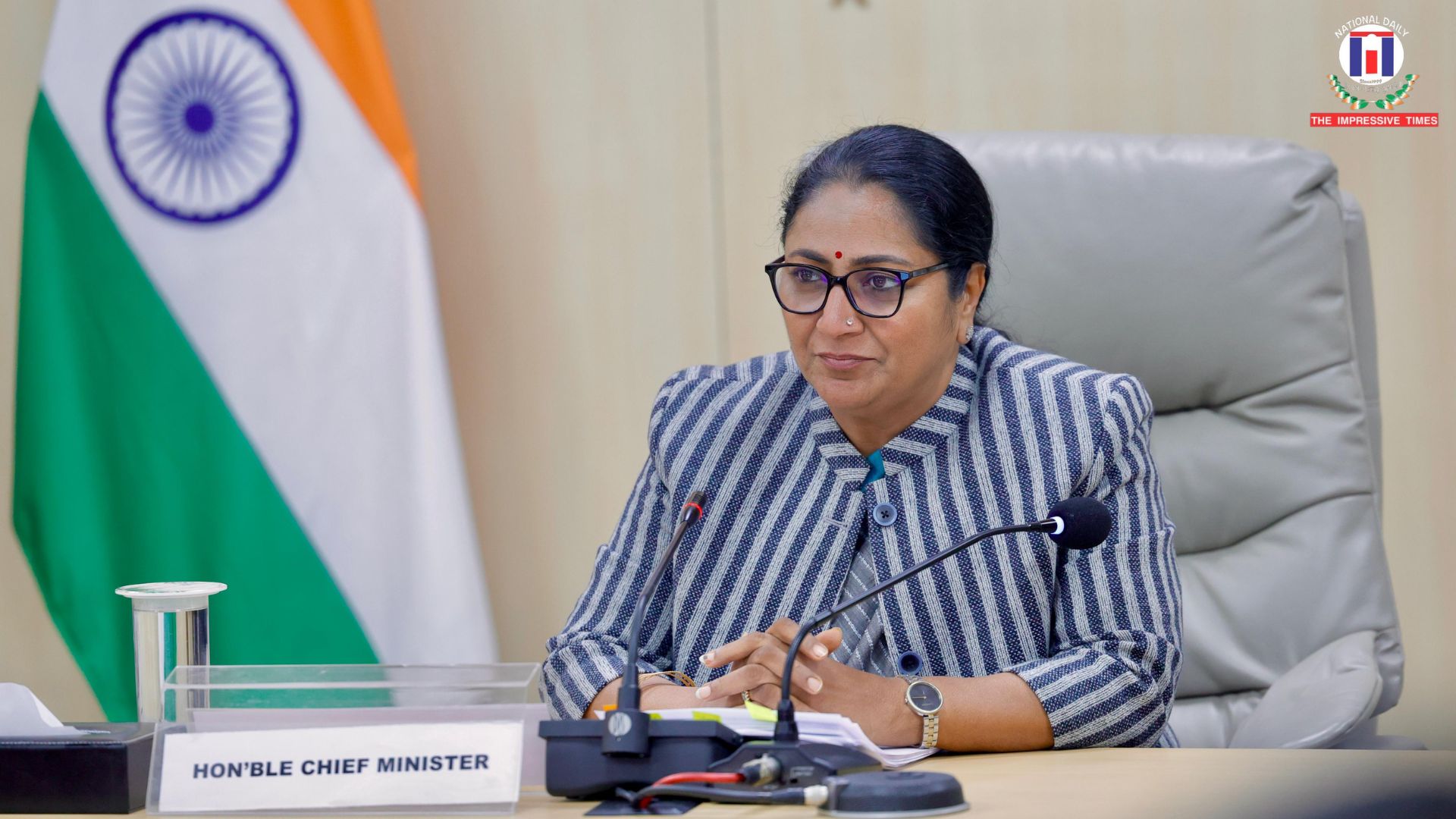
New Delhi, February 12, 2026 : In a major push for traditional workers, the Delhi government under the leadership of Chief Minister Rekha Gupta has approved the Chief Minister Skill Development Scheme, a transformative scheme aimed at supporting thousands of artisans associated with khadi, handloom, cottage industries, and the unorganised sector.
The decision was cleared at a recent Cabinet meeting chaired by the Chief Minister. Announcing the move, she said Delhi’s artisans are the true custodians of the city’s cultural heritage. “For years, they have strengthened society with their craftsmanship. But in changing times, they also need modern training and direct market access. This scheme will ensure that they not only sustain themselves in the new economy, but truly progress with upgraded skills and access to digital platforms,” she said.
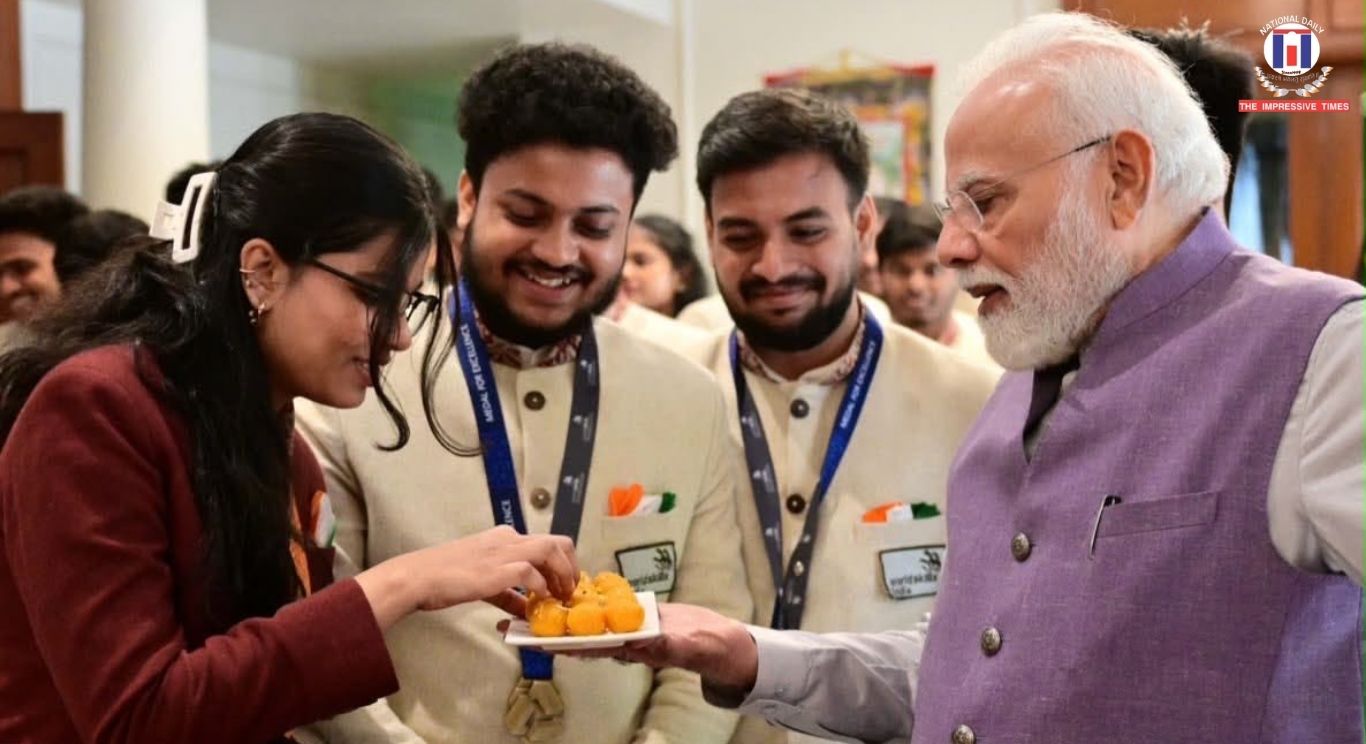
Referring to the ‘Viksit Bharat Young Leaders Dialogue 2026’, the Chief Minister noted that Prime Minister Narendra Modi had described skill development as a cornerstone of nation-building. The Union Budget 2026-27, she added, has also placed strong emphasis on connecting artisans to global markets, along with branding, training, and quality enhancement. “Delhi is carrying that vision forward. We are linking skills directly to dignified livelihoods,” she said.
The scheme will be implemented through the Delhi Khadi and Village Industries Board (DKVIB). During 2025–26, a total of 3,728 beneficiaries will be trained, with ₹8.95 crore already approved for this phase. For 2026-27, a proposed allocation of ₹57.50 crore is likely to be brought in to expand the programme at a much larger scale.
12 Days of Training, Stipend and Toolkits
Under the scheme, beneficiaries will undergo 12 days (96 hours) of structured training, which will include a two-day Entrepreneurship Development Programme (EDP). To ensure personalised guidance, training will be conducted in small batches of 35-45 participants. Upon completion, each beneficiary will receive a stipend of ₹4,800 (₹400 per day), along with ₹100 per day towards meals. Participants will also be provided essential toolkits after training, including foot-operated sewing machines where required.
A key feature of the scheme is digital onboarding. Each artisan will have an e-catalogue created with their profile, photographs, and product details. These will be uploaded on the Open Network for Digital Commerce (ONDC) platform, giving their products visibility not only across India but also in international markets.
Recognising Existing Skills through RPL
The scheme also incorporates Recognition of Prior Learning (RPL), which will formally certify the skills and experience of traditional artisans already engaged in their crafts. This certification will open doors to better income opportunities and help them integrate into the formal economy.
Beneficiaries will receive a Chief Minister’s certificate and an identity card. Support will also be extended for Udyam (MSME) registration, branding assistance, and guidance on accessing credit facilities.
Priority for e-Shram Registered Workers
The first phase will focus on nearly 18,000 tailors registered on the e-Shram portal. Over time, the scheme will be expanded to include other traditional occupations such as embroiderers, dressmakers, potters, carpenters, cobblers, basket and mat makers, perfumers, bamboo artisans, barbers, garland makers, washermen, fishing net makers, carpet weavers, and several others.
Transparent Process and Strong Monitoring
Applicants must be at least 18 years old. Only one member per family will be eligible for the scheme. Government employees and their family members will not qualify. Aadhaar-based identification and verification will be mandatory at the time of enrolment.
The Chief Minister emphasised that the entire process will be closely monitored to maintain training quality and ensure that beneficiaries receive full support. “This scheme turns the vision of a developed India into action. By directly linking skills with employment and income, we are ensuring that every artisan gets both opportunity and respect,” she said.
She further added that the government is expanding the scope of self-reliance for workers in khadi, handloom, and village industries. “This is not merely a training programme. It is a comprehensive effort that brings together skills, technology, market access, and financial empowerment. It will give thousands of artisans in Delhi a new identity, new direction, and new opportunities.”
Delhi Industries Minister Manjinder Singh Sirsa said the initiative goes beyond skill-building. “This is about restoring dignity and creating self-reliance for thousands of families,” he said. Courses in merchandising, logistics, IT operations, and fashion production, he added, will open up fresh employment and entrepreneurial avenues for artisans, while also preserving traditional crafts and aligning them with modern market demands.





















No Comments: