IIT Roorkee Alumni to Convene in New Delhi to Navigate the Future of Careers in the Age of AI
IIT Roorkee Alumni Association hosted its Global Alumni Meet in New Delhi, bringing experts together to discuss careers, AI, infrastructure and future workforce resilience.
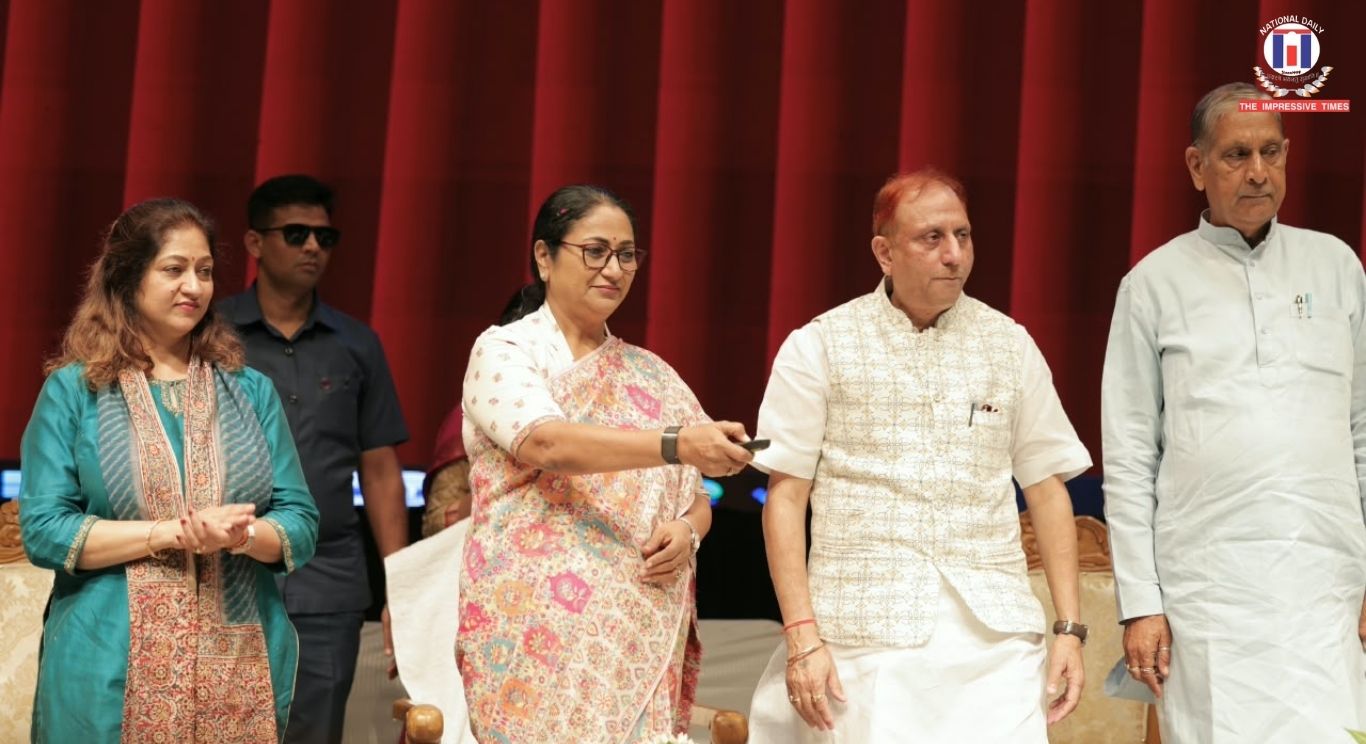
New Delhi, January 3, 2025– As the world stood at the precipice of a massive technological shift, the Indian Institute of Technology Roorkee Alumni Association (IITRAA) hosted its annual Global Alumni Meet on January 3, 2026. The prestigious gathering was held at Hotel Taj Palace in Chanakyapuri, New Delhi, and brought together a powerful cohort of over 1000 distinguished alumni, industry captains, academicians, and policymakers from across the globe. Celebrating a remarkable legacy of 178 years, the institution directed its focus toward one of the most pressing challenges of the modern era with a dedicated summit titled “Reinventing Careers in the Age of AI.”
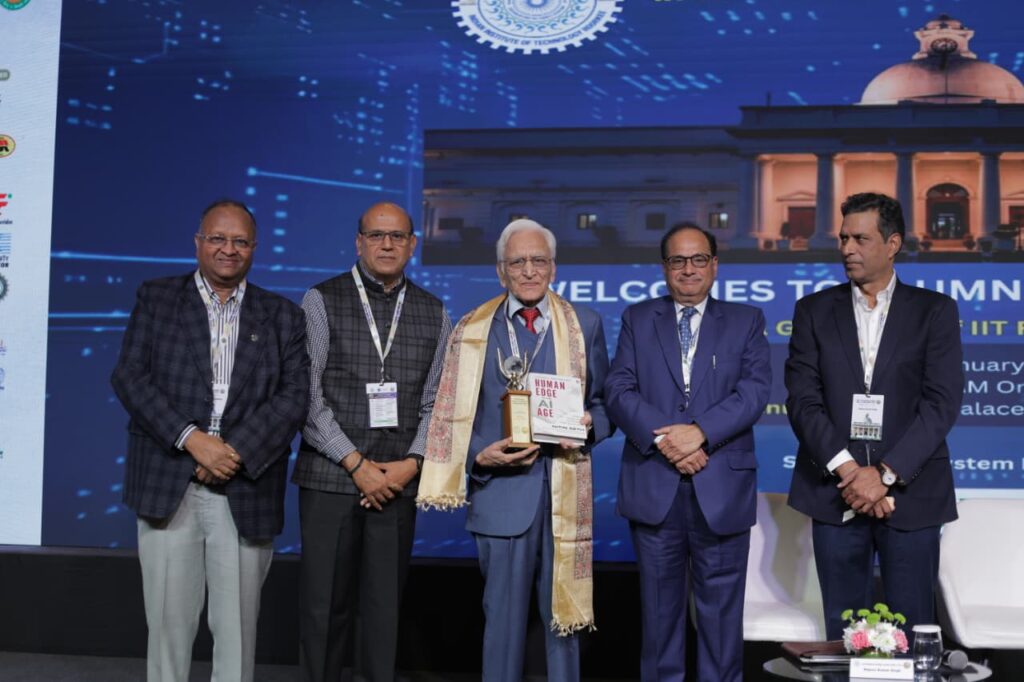
The Infrastructure – The Growth Multipliers session featured Dr. Achal Mittal, Emeritus Scientist from CBRI, along with other dignitaries from the infrastructure vertical such as Dr. L. P. Singh, DG NCCBM; Manoj Garg, Vice Chairman, RLDA; Sanjay Vashney, CEO, Signature Global; and others. The panel concluded on the increasing role of carbon capture in the infrastructure sector and the shift from cost-based bidding to quality-assurance-based bidding, along with the adoption of structural health monitoring systems using the latest technologies.

The event aimed to serve as a critical forum for high-level dialogue on how emerging technologies were fundamentally reshaping the future of work. By centering the event on artificial intelligence, the association addressed the urgent societal need for innovation and leadership in navigating a rapidly evolving job market. Abhishek Singh, CEO, India AI Mission, and Manish Bhardwaj, Secretary, NDMA, showcased what the future of AI in India would look like. It was emphasized that when AI scaled from pilot to population level, data governance became central. At scale, stakeholders were no longer dealing with datasets but stewarding national assets. This required clear ownership, privacy-by-design principles, strong consent frameworks, and continuous audits to ensure fairness, security, and compliance. It was also concluded that from a citizen’s perspective, and for the success of AI at population scale, solutions had to be simple, accessible, and user-friendly.
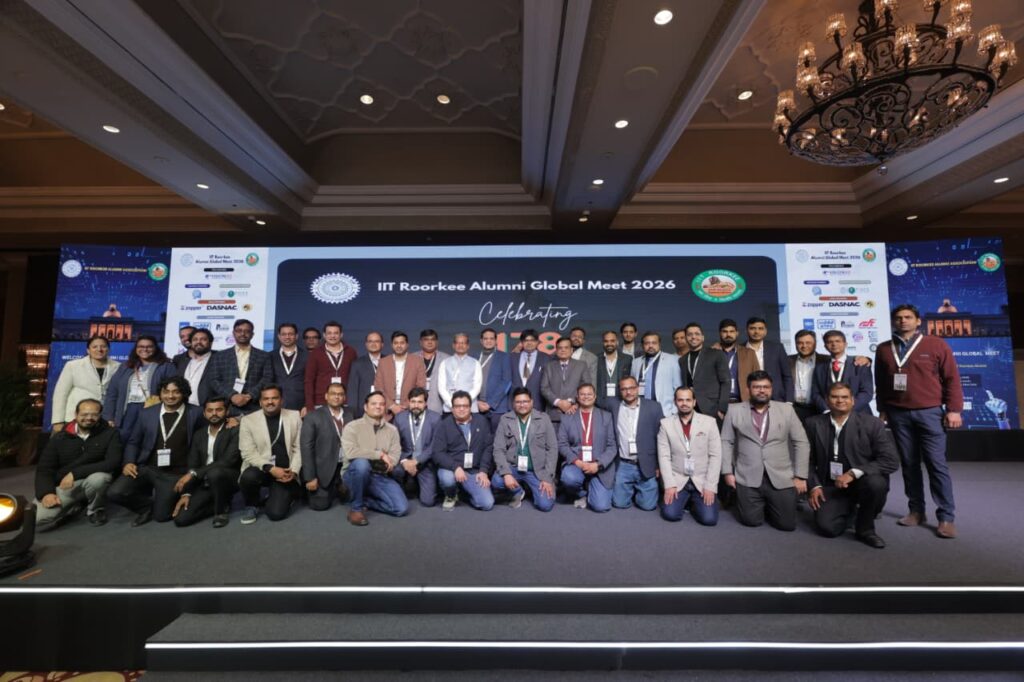
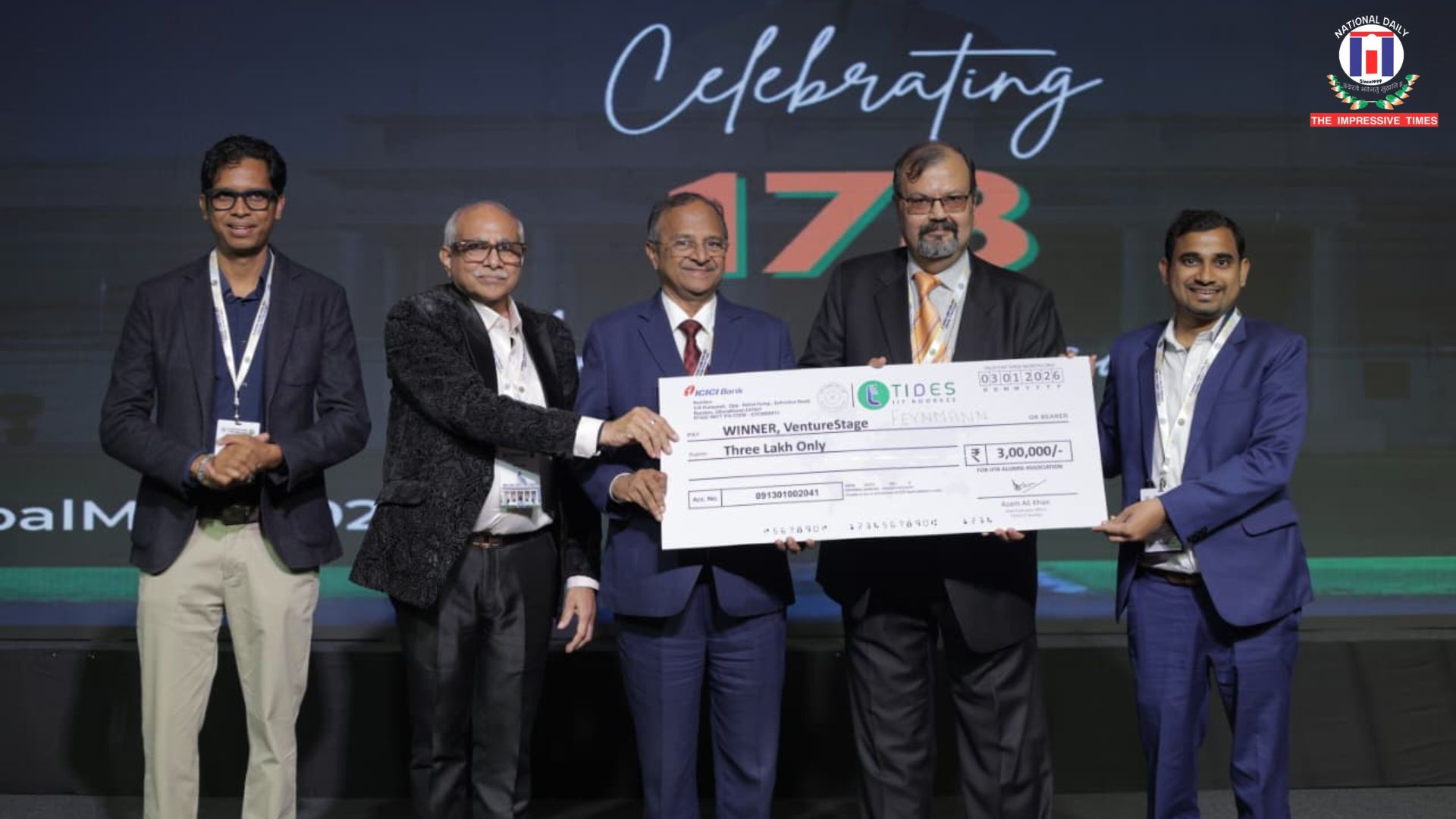
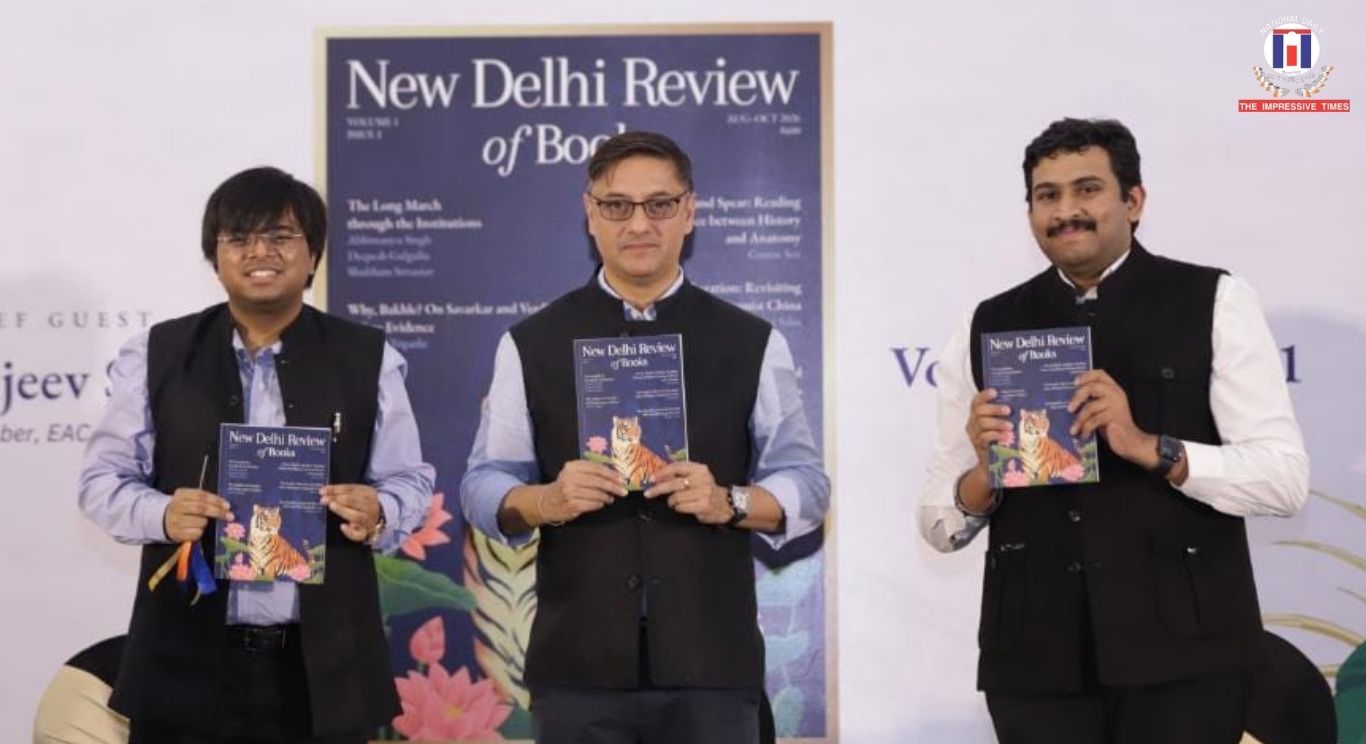
The event also showcased an authors’ conclave and a pitching event for startups focusing on AI implementation and catering to rising energy demands. Prizes were awarded to five startups for their commendable efforts in their respective fields, with a total monetary value of ₹7,00,000/-.
The summit empowered innovators and changemakers by providing a platform where they engaged with global stakeholders and technocrats to develop strategies for workforce resilience and ethical technological advancement.
This year’s theme reflected a profound commitment to societal benefit by exploring how AI could be leveraged to create new opportunities rather than merely disrupt existing ones. Organizers emphasized that the insights generated during the panel discussions and high-impact sessions provided valuable perspectives on leadership in an automated age. The event also offered significant visibility to partner organizations, giving them a unique opportunity to align with thought leaders at the forefront of India’s technological and economic trajectory. The gathering was led by key association figures, including Director IIT Roorkee K. K. Pant, IITRAA President Vinay Kumar Tripathi, and Secretary R. K. Singh, and unwavering support from Sanjay Tyagi, IPS, Jt. CP, Delhi Police. As the institute honored nearly two centuries of academic excellence, the global meet underscored the enduring relevance of the “Thomasonian” spirit in addressing contemporary global challenges. Through this initiative, the IIT Roorkee community continued to reinforce its role as a cornerstone of engineering and innovation, dedicated to ensuring that the transition into an AI-driven society was both inclusive and progressive.

























No Comments: