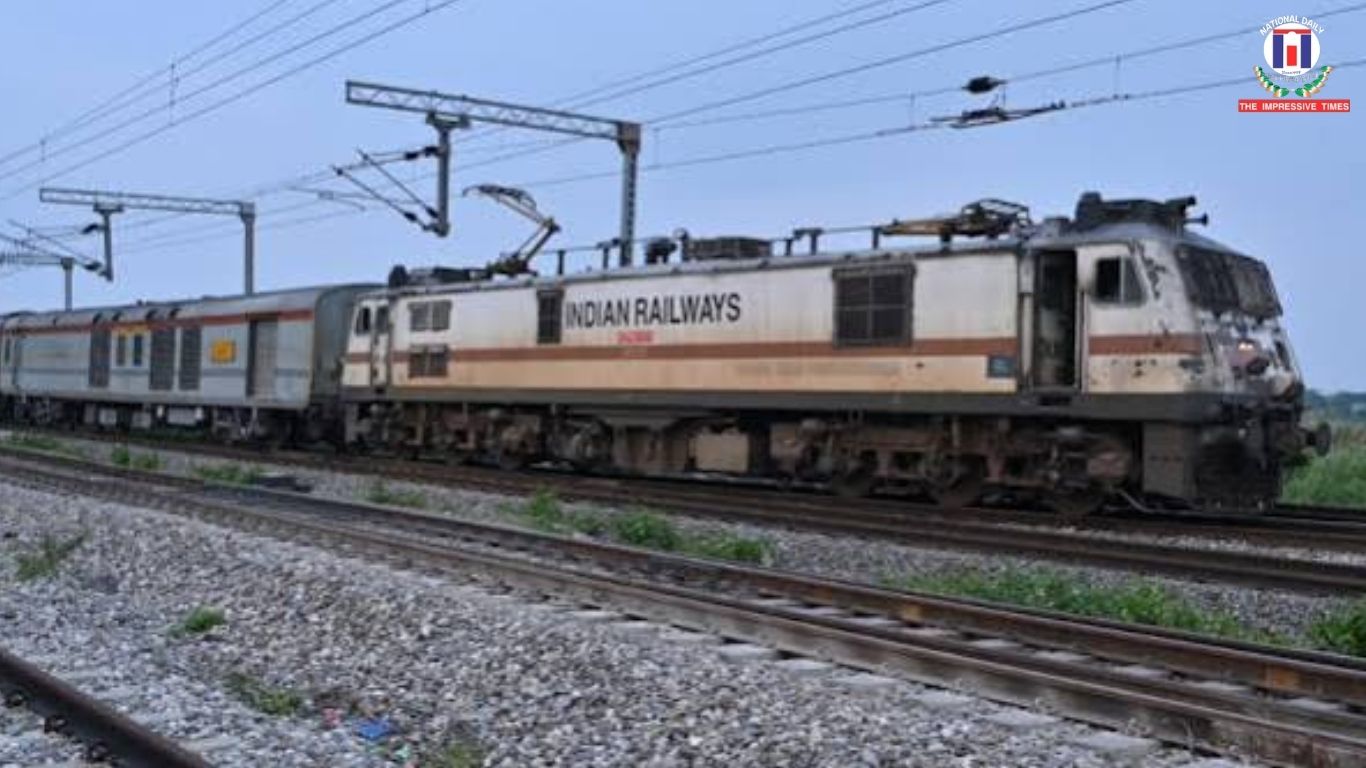
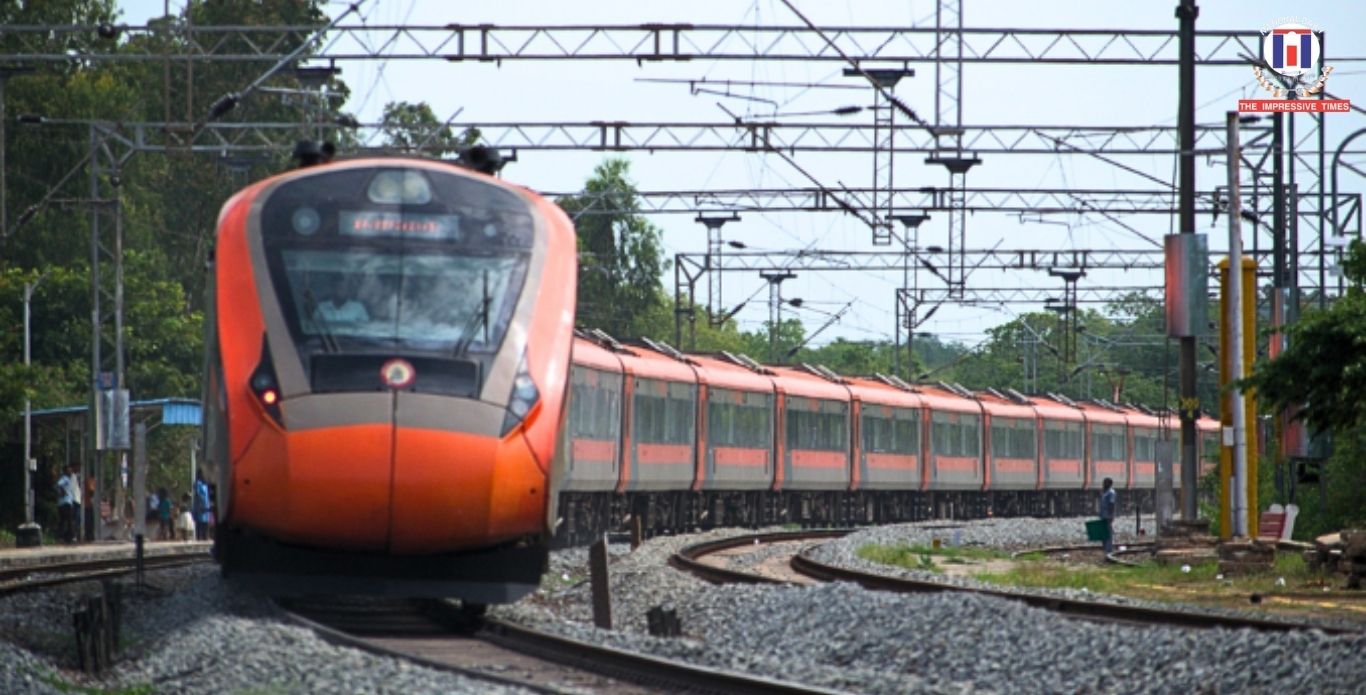
New Delhi : Indian Railways is on the verge of achieving complete electrification of its broad gauge (BG) network, having electrified 99.2% of routes so far. The remaining sections are currently under progress, marking a major milestone in India’s push towards sustainable and energy-efficient transportation.
Railway electrification has been taken up in mission mode, with unprecedented progress recorded over the last decade. While only 21,801 route kilometres were electrified in nearly 60 years before 2014, an impressive 46,900 route kilometres were electrified between 2014 and 2025, underscoring the accelerated pace of infrastructure development.
Globally, Indian Railways’ achievement stands out. According to the International Union of Railways (UIC) report of June 2025, India’s electrification level of 99.2% places it far ahead of several major rail networks, including the United Kingdom (39%), Russia (52%), France (60%), Japan (64%), Spain (67%), and China (82%). Only Switzerland has achieved complete electrification at 100%.
During FY 2023–24, Indian Railways electrified 7,188 route kilometres, followed by 2,701 route kilometres in FY 2024–25. Notably, all new railway lines and multi-tracking projects are now being sanctioned and constructed with electrification as a standard feature.
At the zonal level, 14 railway zones have already achieved 100% electrification, including Central, Northern, Eastern, Western, South Central, and East Coast Railways, among others. A few zones such as North Western Railway (98%), Southern Railway (98%), Northeast Frontier Railway (95%), and South Western Railway (95%) are nearing completion.
State-wise, 25 States and Union Territories have achieved full electrification. Key states including Andhra Pradesh, Bihar, Chhattisgarh, Gujarat, Maharashtra, Uttar Pradesh, West Bengal, and Tamil Nadu are either fully or nearly electrified. All broad gauge routes in the northeastern states of Arunachal Pradesh, Meghalaya, Nagaland, Tripura, and Mizoram are now fully electrified, while Assam has reached 92%, with remaining works underway.
Railway electrification also brings significant environmental benefits. According to a NITI Aayog report, transporting one tonne of goods over one kilometre emits 101 grams of CO₂ by road, compared to just 11.5 grams by rail, amounting to nearly 89% lower emissions. This shift supports India’s climate goals and reduces dependence on fossil fuels.
Indian Railways is further strengthening sustainability through increased use of renewable energy, including solar and wind power, as part of strategic power procurement. Together with near-total electrification, these efforts are expected to substantially reduce the carbon footprint of rail transport.
This information was shared by Union Minister for Railways, Information & Broadcasting, and Electronics & IT, Ashwini Vaishnaw, in a written reply in the Lok Sabha, reaffirming Indian Railways’ commitment to building a modern, green, and globally competitive rail network.
































No Comments: