Hyderabad Hosts Sixth Regional Meet to Boost Ease of Doing Research & Development
NITI Aayog’s 6th Regional Consultative Meeting at CSIR-IICT Hyderabad highlights strategies to strengthen India’s R&D ecosystem with streamlined regulations, industry linkages, and translational research for Atmanirbhar Bharat.
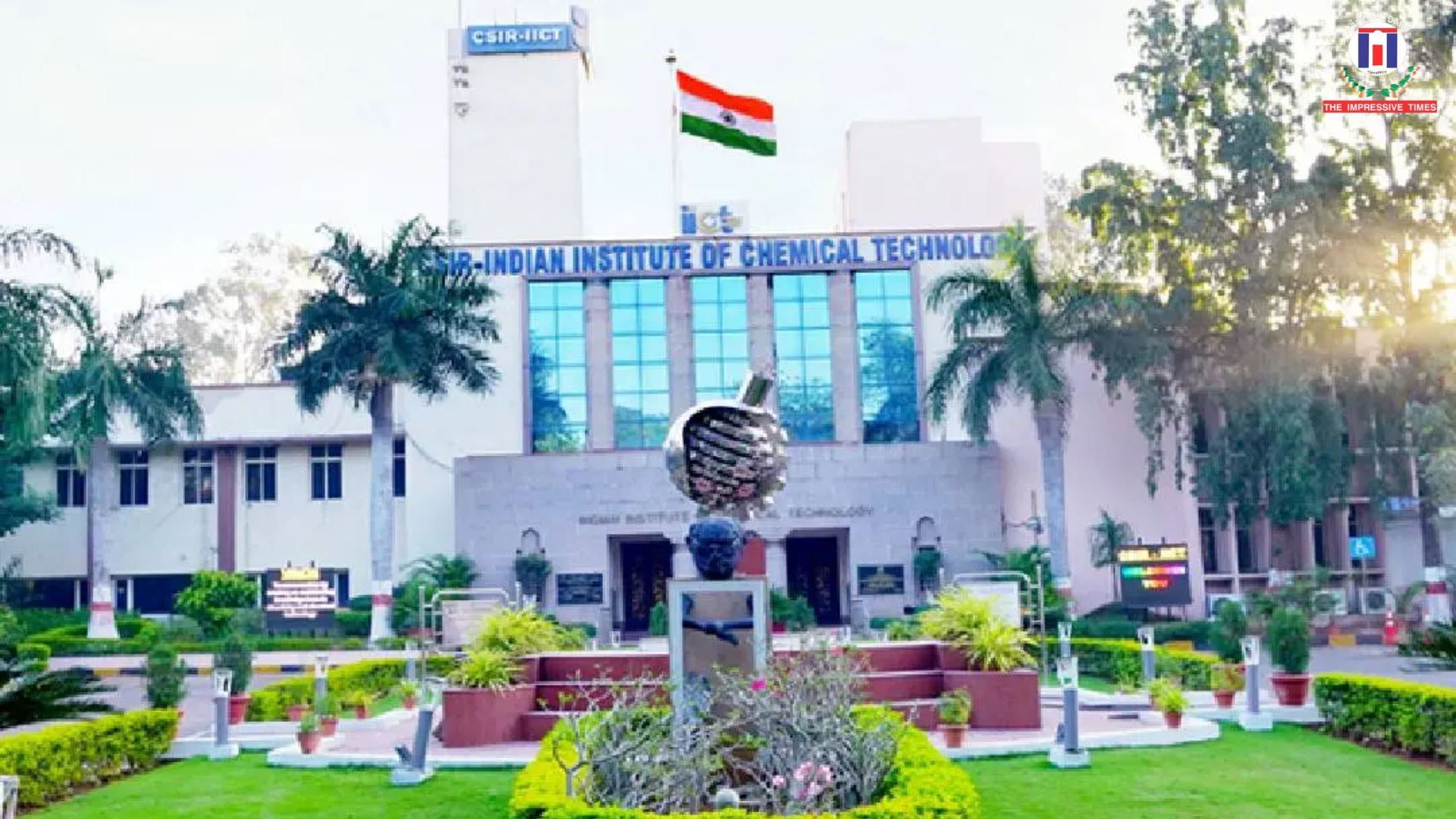
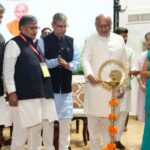
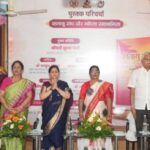
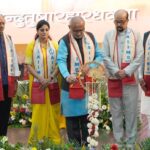
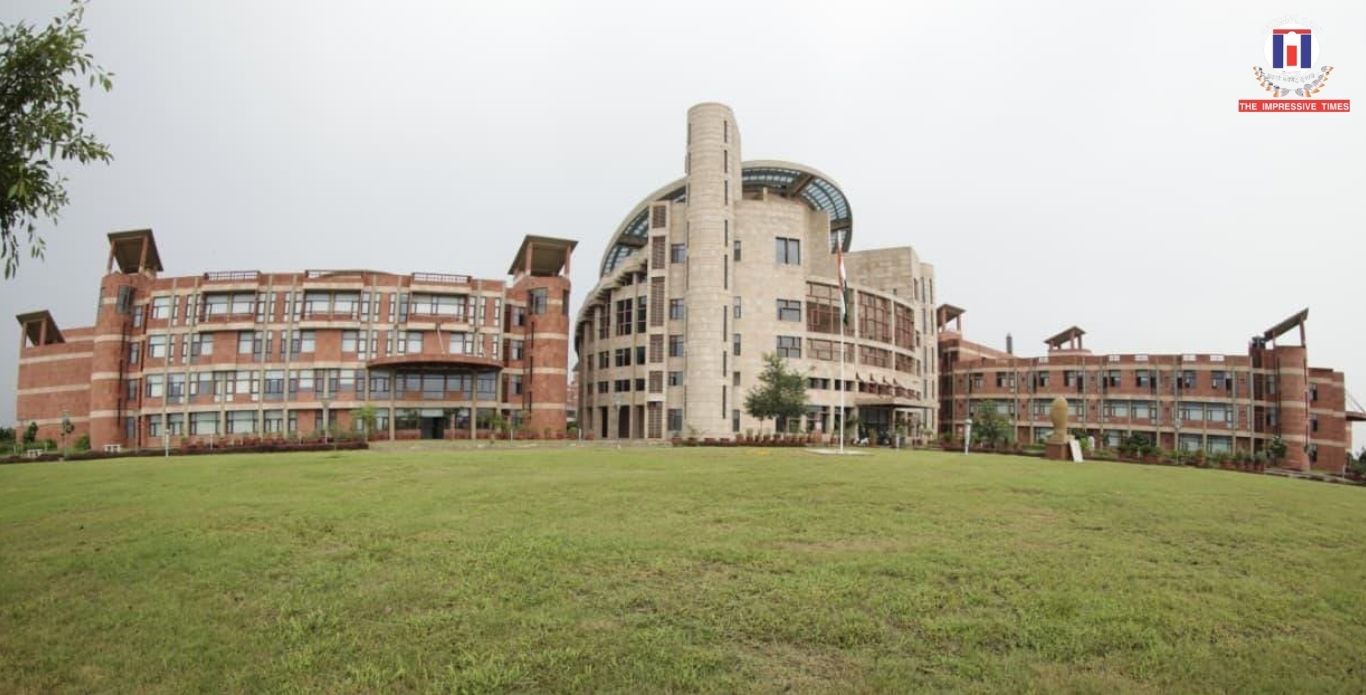
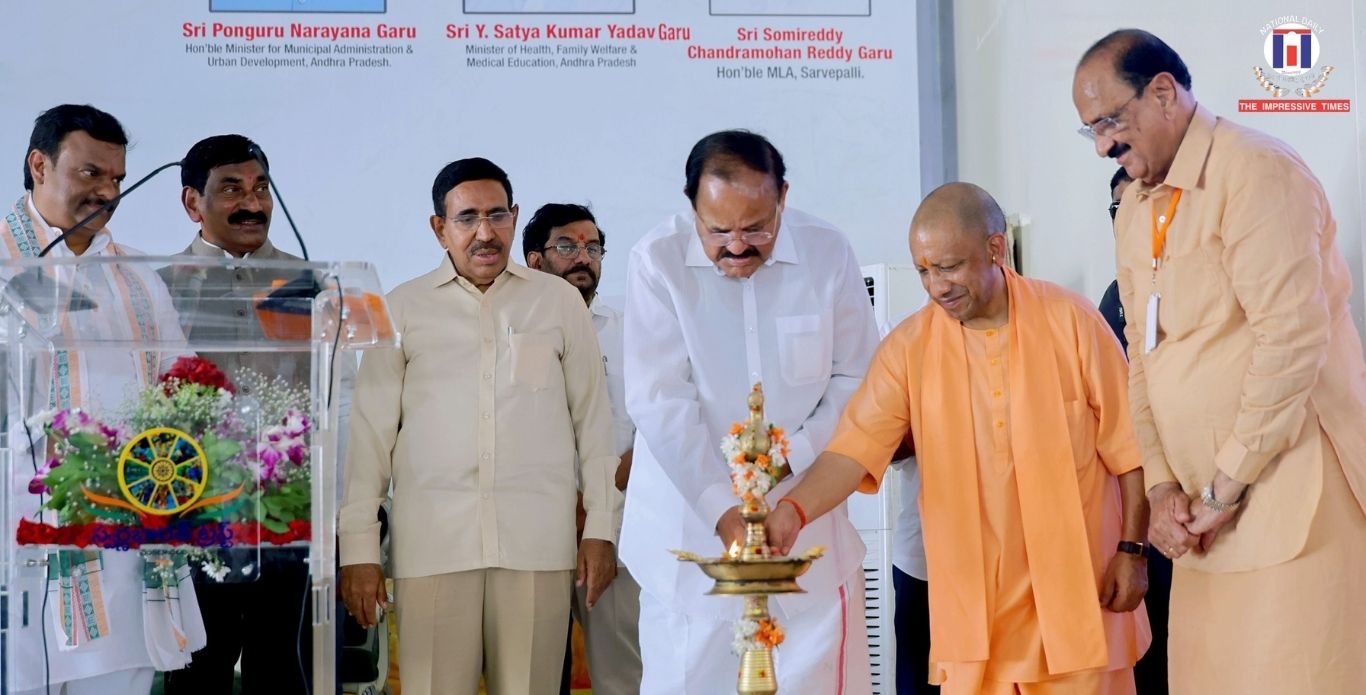
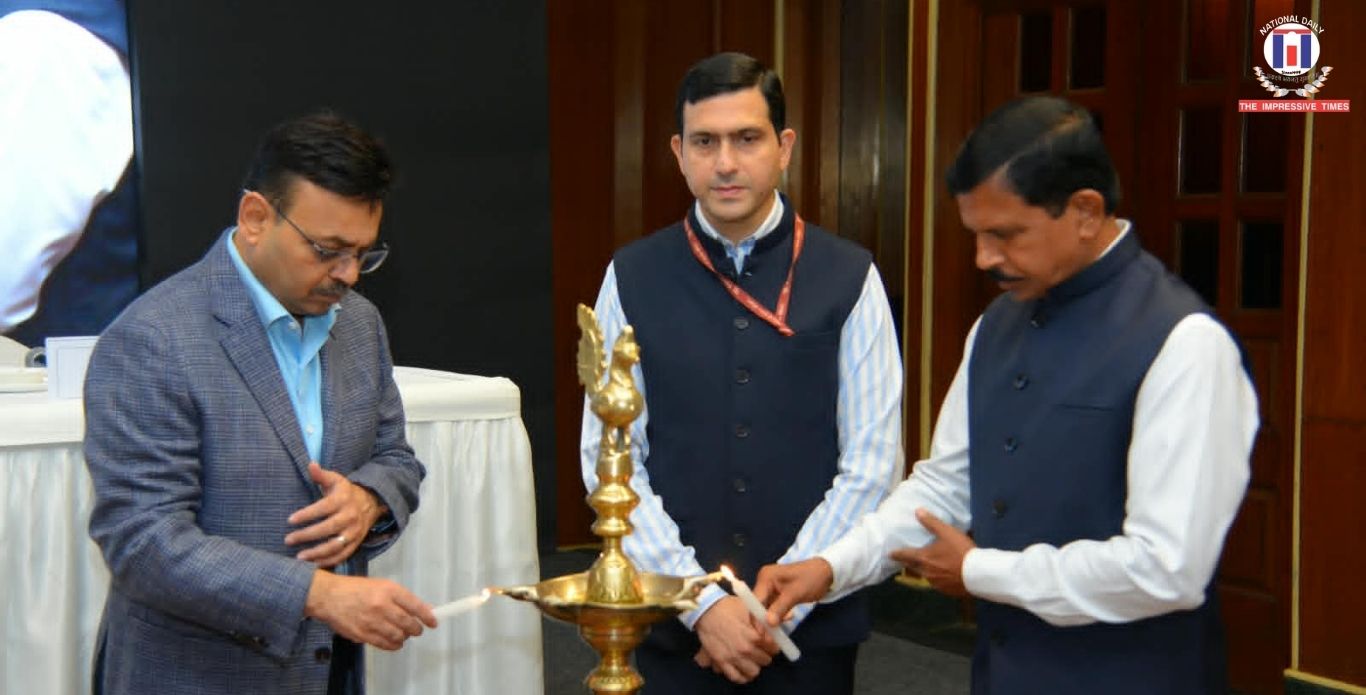
Hyderabad, 12 September 2025: The sixth Regional Consultative Meeting on “Ease of Doing Research & Development (R&D)” convened at the CSIR–Indian Institute of Chemical Technology (IICT) in Hyderabad on 10–11 September 2025, bringing together an influential group of policymakers, academic leaders, and scientific experts to discuss strategies for strengthening India’s innovation ecosystem.
Organized under the aegis of NITI Aayog and part of the Azadi ka Amrit Mahotsav celebrations, the two-day dialogue focused on creating an environment where scientific inquiry and technological innovation can thrive without unnecessary regulatory or institutional hurdles.
Keynote Perspectives
Prof. Ashutosh Sharma, President of the Indian National Science Academy (INSA), and Dr. N. Kalaiselvi, Director General of the Council of Scientific and Industrial Research (CSIR), delivered keynote addresses emphasizing the urgency of reimagining India’s R&D landscape. Both underscored that while India has substantial scientific capacity, stronger institutional frameworks, simplified processes, and tighter industry linkages are essential to ensure that laboratory discoveries swiftly translate into real-world applications.
The meeting was graced by Jishnu Dev Varma, Hon’ble Governor of Telangana, who highlighted that a resilient R&D architecture is central to the vision of Atmanirbhar Bharat. He stressed that India must not only generate cutting-edge knowledge but also convert it into technologies and solutions that reinforce self-reliance and global competitiveness. The Governor praised NITI Aayog for creating a platform that aligns science with societal advancement.
Insights from Scientific Luminaries
Former Atomic Energy Commission Chairman Dr. Anil Kakodkar and Dr. V. K. Saraswat, Hon’ble Member of NITI Aayog, contributed critical insights on building seamless pathways between research institutions, industry clusters, startups, and public-sector enterprises. They advocated for policies that make the entire journey—from knowledge creation to large-scale deployment—efficient and industry-ready.
Broad-Based Deliberations
Throughout multiple technical sessions, Vice Chancellors, Directors of national laboratories, and senior university officials examined key themes such as funding mechanisms, regulatory reform, access to global knowledge resources, and models for applied and translational research. Participants highlighted the need for agile frameworks that encourage cross-sector collaboration and accelerate technology transfer.
The conference concluded with a unified message: India’s scientific future depends not only on the ease of conducting research but also on the ease of transforming research into tangible societal benefits. Embedding “research-to-market” translation into policy design, funding priorities, and institutional culture is essential for driving innovation that enhances industry, strengthens national self-reliance, and improves citizens’ quality of life.



















No Comments: