PM Modi addresses 18th International Olympiad on Astronomy and Astrophysics, highlights India’s Space Achievements & Global Collaboration
Prime Minister Narendra Modi, in a video address at IOAA 2025, inspired youth from 64 countries with India’s rich astronomical heritage, modern space milestones, and vision for science benefiting humanity.
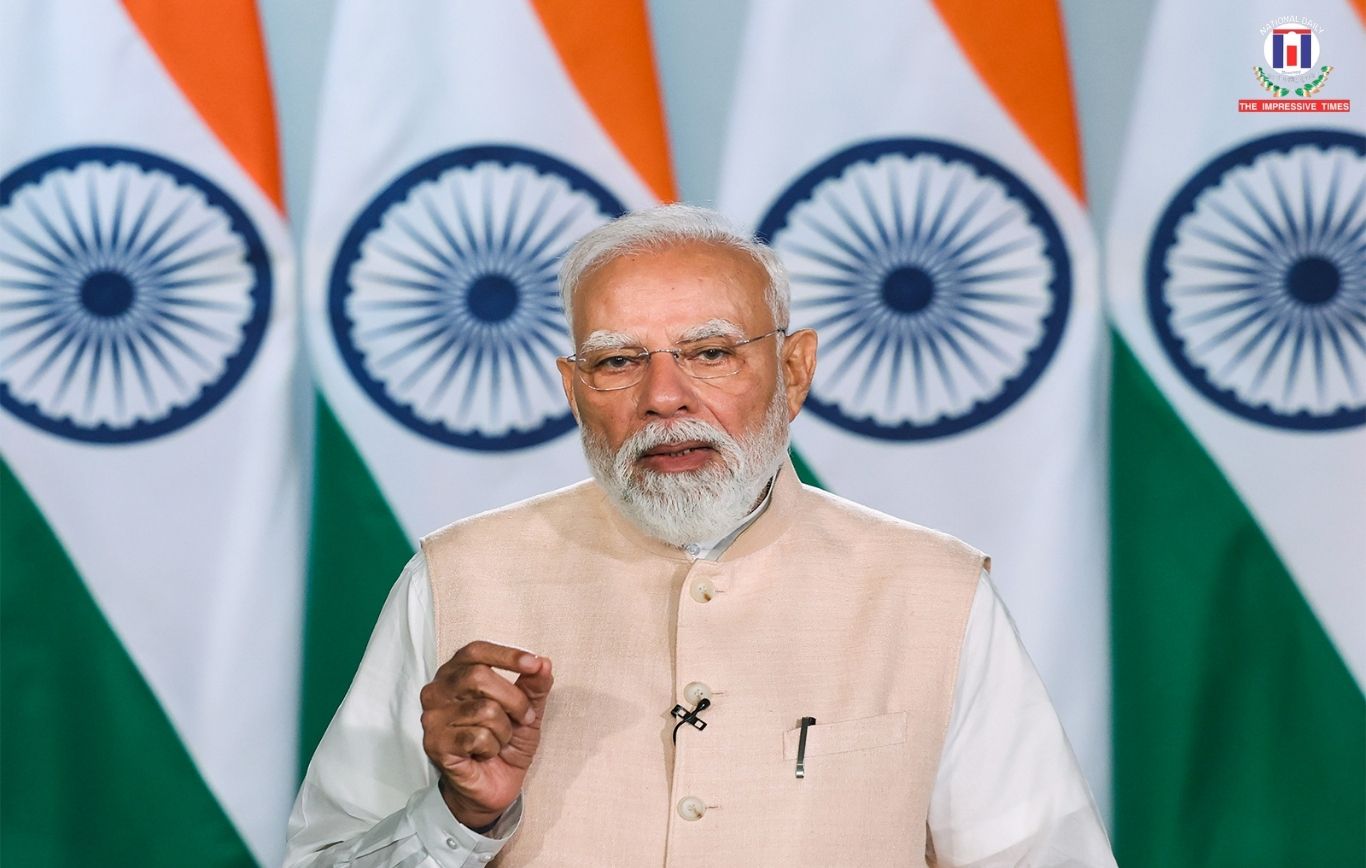
New Delhi, August 12, 2025 — Prime Minister Narendra Modi, in a special video address, welcomed over 300 young participants from 64 countries to the 18th International Olympiad on Astronomy and Astrophysics (IOAA). Speaking with a blend of inspiration and vision, the Prime Minister emphasised that India is a land where “tradition meets innovation, spirituality meets science, and curiosity meets creativity.”
PM Modi reflected on India’s deep-rooted history of astronomical studies, recalling ancient scholars like Aryabhatta, who in the 5th century introduced the concept of zero and was among the first to assert that the Earth rotates on its axis. “Literally, he started from zero and made history,” he remarked.
Highlighting the country’s modern scientific capabilities, the Prime Minister spoke of the Astronomical Observatory in Ladakh, located at an altitude of 4,500 metres, which he described as “close enough to shake hands with the stars.” He also referred to the Giant Metrewave Radio Telescope in Pune, renowned as one of the most sensitive radio telescopes in the world, playing a vital role in studying pulsars, quasars, and galaxies.
He reiterated India’s active participation in prestigious global mega-science projects such as the Square Kilometre Array and LIGO-India. Recalling landmark space achievements, Modi noted the historic Chandrayaan-3 mission, which became the first to land near the Moon’s South Pole, and the Aditya-L1 mission dedicated to observing the Sun’s activities. He also applauded Group Captain Shubhanshu Shukla for his recent milestone journey to the International Space Station, calling it a proud moment for the nation.
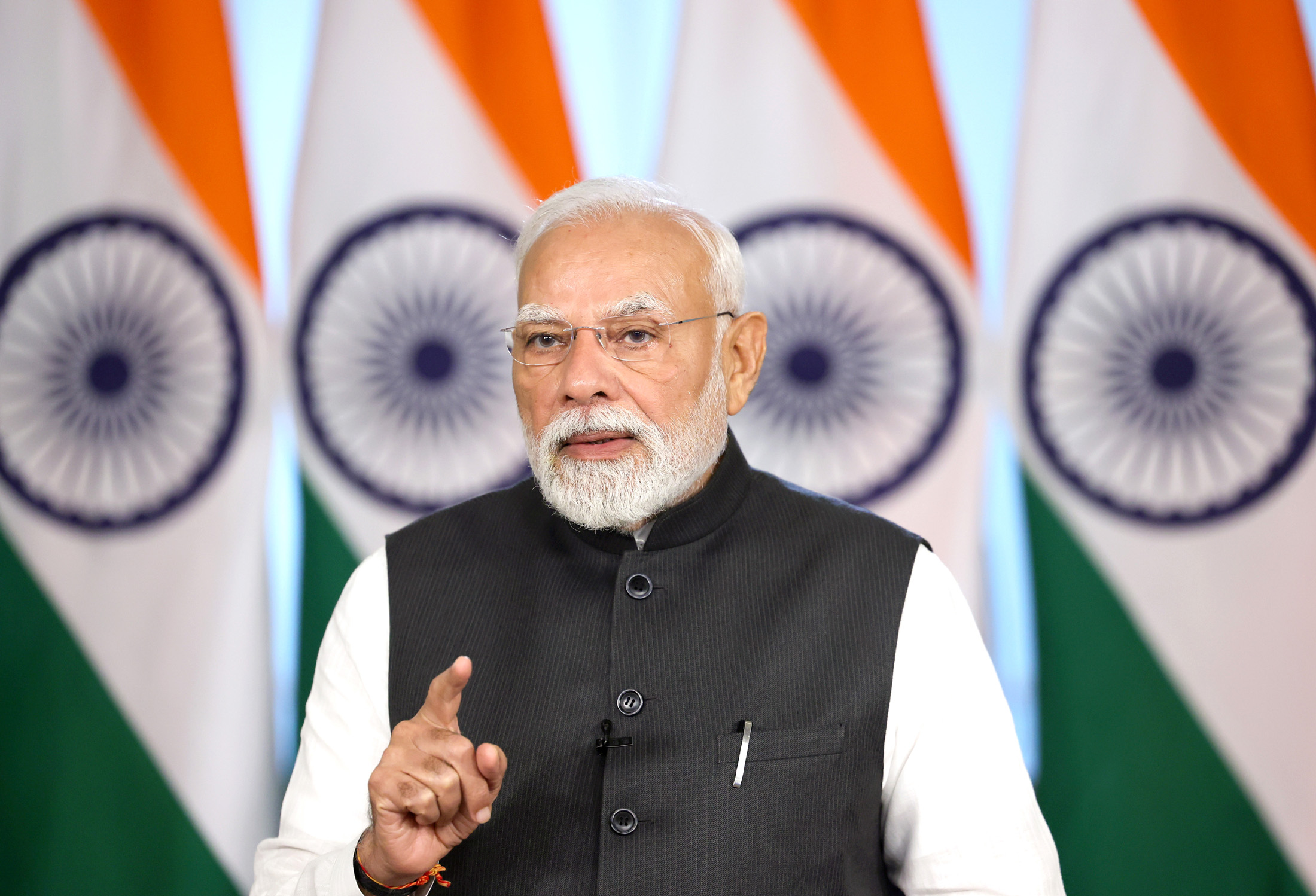
The Prime Minister reaffirmed India’s commitment to fostering scientific temper and innovation among youth. He shared that over 10 million students are engaging with STEM concepts through practical experiments in Atal Tinkering Labs across the country, cultivating a culture of research and problem-solving. He also highlighted the launch of the ‘One Nation One Subscription’ scheme, which provides free access to leading international journals for millions of students and researchers, ensuring that knowledge is both accessible and democratic.
Modi pointed out that India is among the global leaders in women’s participation in STEM fields and stressed that billions of dollars are being invested in strengthening the country’s research ecosystem. He extended an open invitation to young scientists worldwide to study, research, and collaborate in India, expressing hope that such partnerships could lead to groundbreaking discoveries.
Encouraging participants to think beyond exploration, the Prime Minister urged them to explore how advancements in astronomy and space science could address urgent challenges on Earth. He posed thought-provoking questions about using space technology to improve weather forecasting for farmers, predict natural disasters, monitor environmental changes such as forest fires and melting glaciers, and enhance communication networks in remote areas.
He emphasised that the future of science rests in the hands of today’s young minds, calling on them to blend imagination with compassion. “The question is not only ‘what is out there?’ but also how it can help us improve lives here on Earth,” he said.
Modi lauded the collaborative spirit of the International Olympiad, noting that this year’s edition is the largest in its history. He expressed gratitude to the Homi Bhabha Centre for Science Education and the Tata Institute of Fundamental Research for their role in hosting the event. Closing his address with a message of limitless aspiration, he reminded participants, “In India, we believe that the sky is not the limit—it’s just the beginning.”









No Comments: