Mentorship Will Drive India’s Startup Future, Says Dr. Jitendra Singh at IISF
From ideas to markets: Govt platforms linking startups with funding and industry, says the Minister


 The Impressive Times
New Delhi, December 7, 2025: Union Minister of State (Independent Charge) for Science and Technology, Dr. Jitendra Singh, has said that India’s next generation of startups will be shaped more by strong mentorship than by funding alone. He was speaking to young innovators, entrepreneurs, and students during a session on “Startup Journeys” at the India International Science Festival (IISF).
Dr. Singh noted that while financial support is important, early guidance, risk-taking, and idea refinement play a far bigger role in transforming young talent into successful entrepreneurs. He stressed that India must develop a culture that accepts failure in research and innovation, as it is an essential part of scaling breakthrough ideas.
Reflecting on India’s rapidly growing innovation landscape, the Minister said that the country has moved beyond the days when opportunities in science and entrepreneurship were restricted to a few. With improved access, students from small towns and humble backgrounds are now entering the startup ecosystem with confidence.
He added that the government’s priority today is to build an enabling environment that connects promising ideas with resources, mentors, and markets — shifting the focus from policymaking to ecosystem-building.
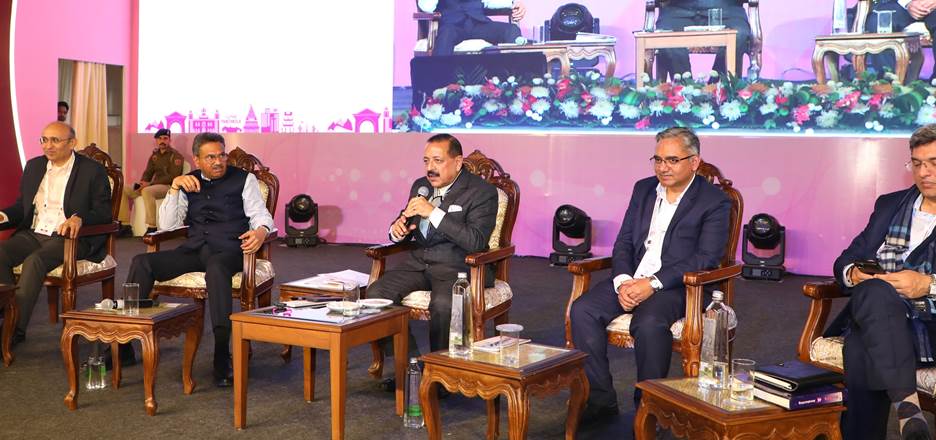
Dr. Singh highlighted the rise of structured support systems such as BIRAC, national missions, and specialised programmes under the science and technology ministries. These initiatives help startups access funding, collaborate with industry partners, receive mentoring, and navigate technical challenges.
He emphasised that India is no longer just adopting global technologies but is increasingly contributing original, homegrown innovations — especially in biotechnology, healthcare solutions, and digital technology.
Responding to queries from students and emerging entrepreneurs, the Minister said that understanding one’s aptitude and having clarity of purpose are essential before starting a venture. He underlined the importance of early mentorship, especially for school and college students, and pointed out that dedicated programmes aimed at nurturing young talent — particularly among girls — are being strengthened.
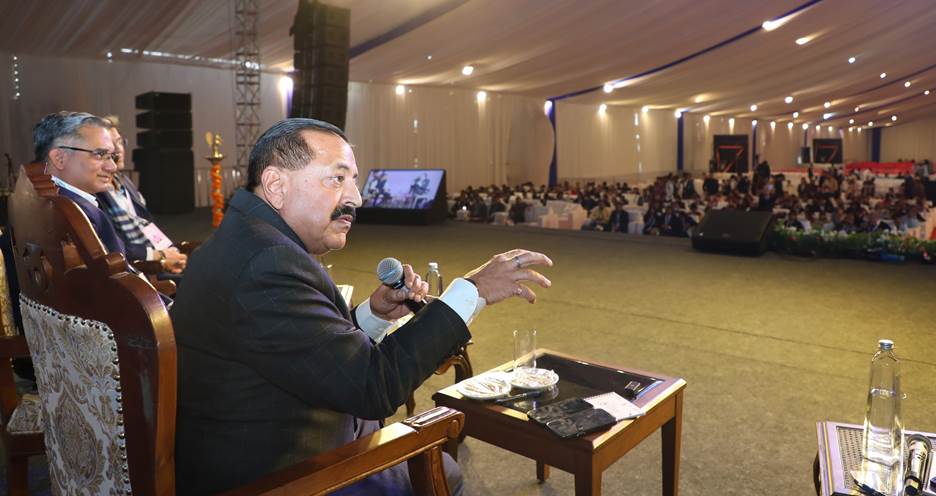
Addressing concerns about regulatory hurdles, Dr. Singh reiterated that the government is working consistently toward deregulation, de-licensing, and decriminalisation to make the business environment more startup-friendly. The aim, he said, is to free innovators from unnecessary compliance so they can focus on building solutions while maintaining accountability.
The panel also heard case studies from founders using technology to address challenges in healthcare and biotechnology, especially in underserved regions. Dr. Singh praised these efforts and said that public-private partnership will remain critical for India’s innovation roadmap.
He concluded by noting that events like IISF help bridge the gap between policymakers, scientists, and the next generation of entrepreneurs. Encouraging curiosity in children and giving them the confidence to explore, he said, is just as important as funding or infrastructure as India charts its innovation goals leading up to 2047.

































No Comments: