Union Minister Jyotiraditya Scindia Chairs Quarterly Review Meeting of Bharat 6G Alliance Working Groups
India positions itself to lead the global 6G landscape through indigenous innovation, international collaboration, and mission-driven execution: Scindia
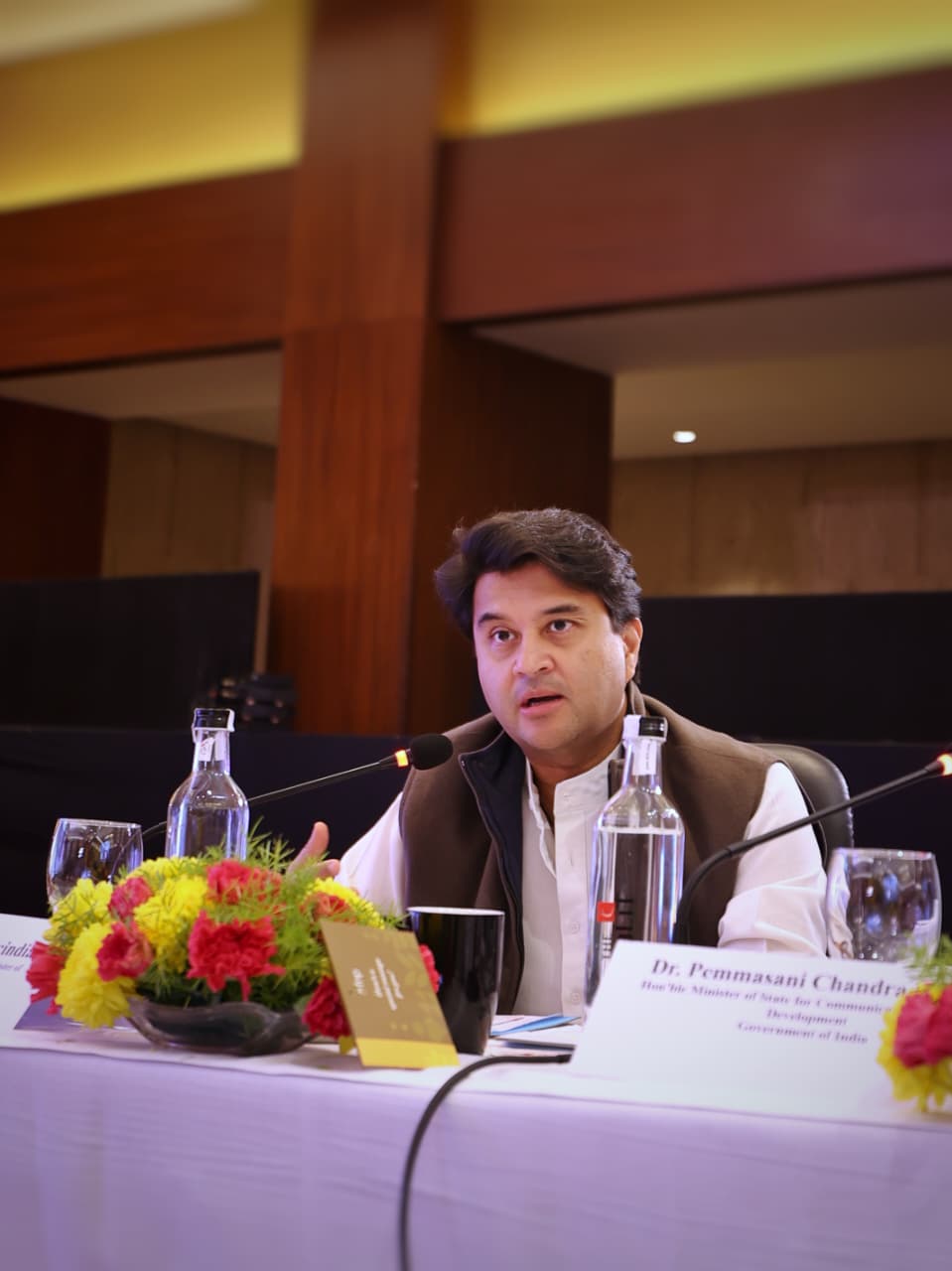
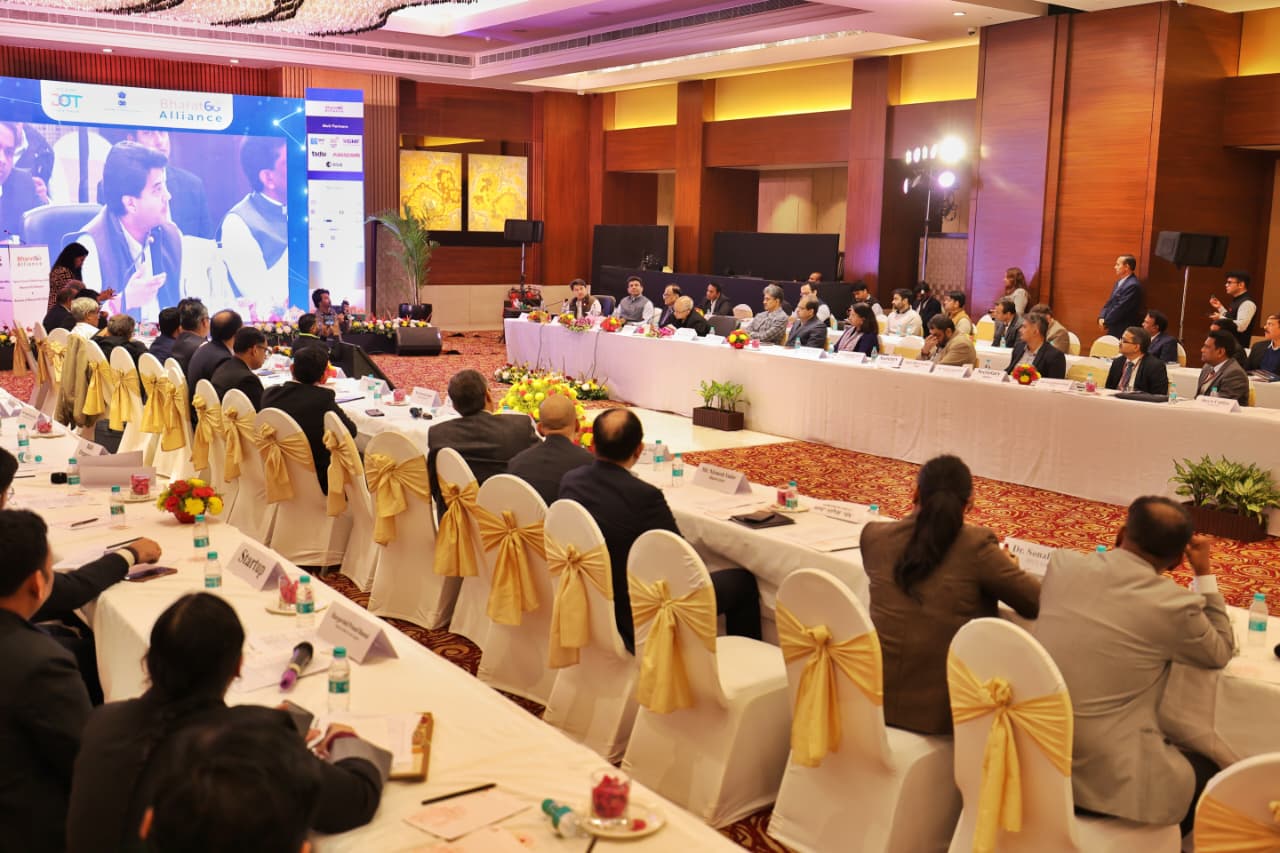
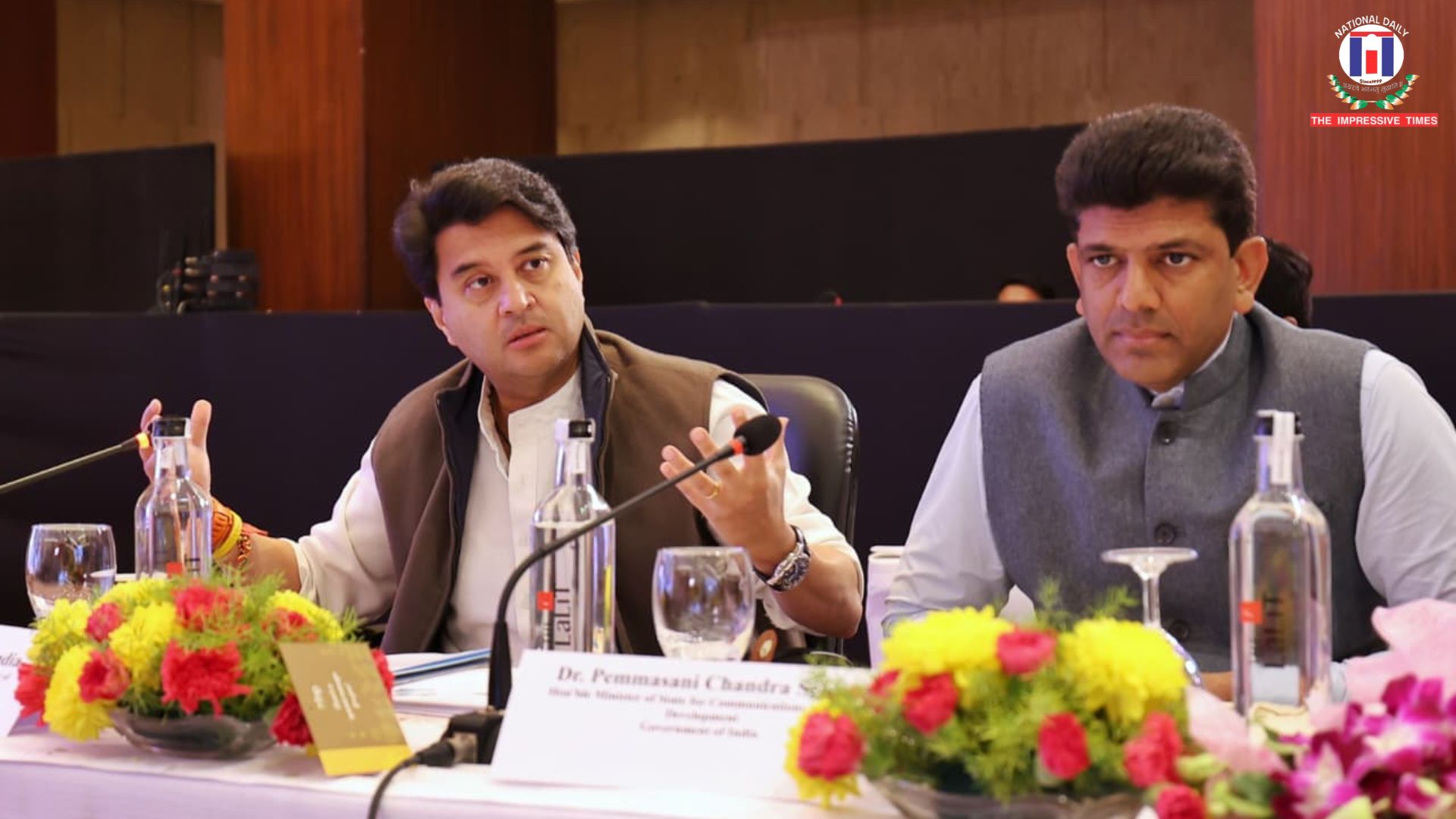
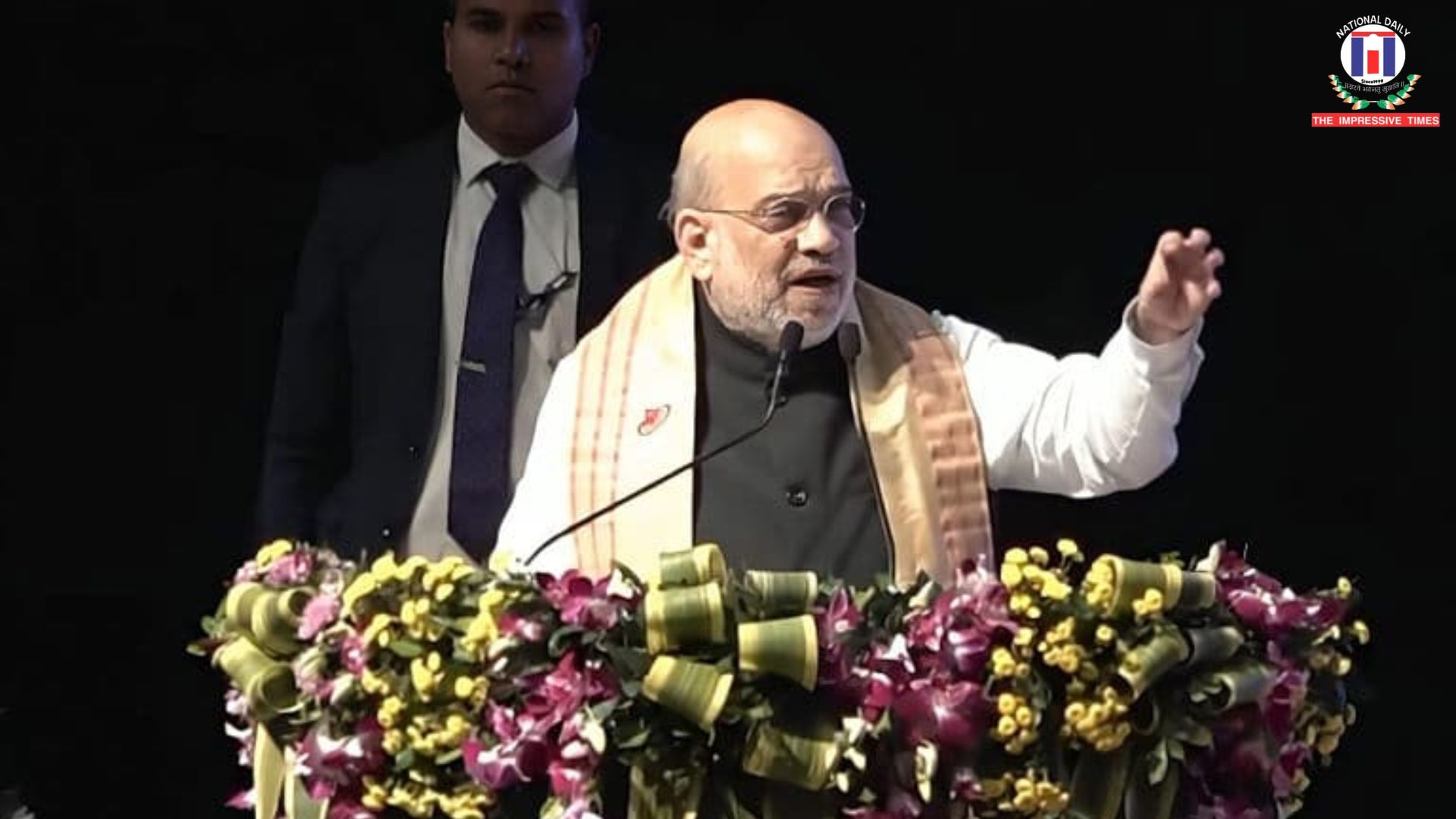
New Delhi | Union Minister for Communications, Jyotiraditya M. Scindia, today chaired the Quarterly Review Meeting of the Bharat 6G Alliance (B6GA) in New Delhi, bringing together representatives from industry, telecom service providers, academia, research institutions, and standards bodies. The Bharat 6G Alliance, a collaborative platform committed to driving indigenous design, development, and deployment of 6G technologies, is central to India’s ambition of becoming a global leader in advanced communications and a major supplier of IP, products, and solutions for affordable 5G and 6G systems.
Scindia had earlier constituted seven dedicated Working Groups under the Bharat 6G Alliance, and each of these groups presented its progress and roadmap during the review meeting. The Working Groups focus on spectrum, device technology, components, sensors and the manufacturing ecosystem, core technology, applications, green and sustainability dimensions, outreach and international engagement, and 6G use cases and revenue systems, ensuring that every critical pillar of the Bharat 6G Mission is addressed in a coordinated and comprehensive manner.
India’s Capabilities and Global Standing: A New Confidence
Addressing the meeting, the Minister recalled that India has achieved milestones few nations in history have matched, including landing a spacecraft on the Moon’s South Pole. He emphasized that such breakthroughs must shape India’s approach to future technologies, remarking that India now belongs to the global “club of four” in advanced space-technology achievements. Scindia urged the working groups to approach 6G with confidence and clarity, stating that India must never doubt its capability and that what the nation is pursuing is “a leapfrog not just for India but for the world.” Scindia emphasised that B6GA embodies the voice of the world’s second-largest telecom market and the gateway to seventy percent of global growth markets. India, he said, can no longer be ignored in global technology forums and must position itself assertively in international standards bodies and alliances.
Strategic Direction for 6G Development
Union Minister laid out the core objectives of the Bharat 6G Mission: defining clear, phase-wise goals; close consultation with the Bharat 6G Alliance; identifying priority research areas; commissioning independent evaluations; and ensuring quarterly progress reviews. He stressed the need for India to build end-to-end value chains, break complex challenges into manageable components, and track measurable progress every three months instead of annual cycles. Scindia reiterated that India should not merely adapt to global standards but aim to shape them. While aligning with international bodies such as 3GPP and ITU, Indian-centric innovations must become globally relevant. He highlighted that uniqueness and ubiquity are both essential for India’s leadership in telecom technology.
Spectrum, Devices and Long-Term Planning
Minister highlighted that spectrum policy will be central to India’s 6G strategy and noted that India has already undertaken significant spectrum refarming, with more planned ahead. Understanding global trends, he said, will be vital for building a long-term national spectrum approach for 6G. On devices, he called for a holistic understanding of the value chain from design to manufacturing. India must balance high volumes with affordability, he said, noting that India’s market dynamics are fundamentally different from those of Europe or the United States. He encouraged exploration of standardised device frameworks to accelerate scale and reduce costs.
Collaboration as the Foundation of India’s 6G Vision
Scindia underscored the importance of joint innovation models, noting that India must bring entrepreneurs, academia and industry together, drawing inspiration from collaborative development seen in countries like Germany and Japan after periods of major reconstruction. He emphasised that India must define 6G use cases rooted in Indian needs, rather than relying solely on global templates. The Minister added that innovation must be recognised globally to create impact. India must invest in sustained international engagement, roadshows and global partnerships to showcase the strength of its unique government-industry-academia model.
Cross-Group Coordination and Need for Faster Approvals
Highlighting the structure of B6GA’s seven working groups, Scindia stressed that technology, spectrum, devices, applications and sustainability verticals must align seamlessly for innovations to mature and scale. He said monthly joint reviews between working groups are essential to ensure that breakthroughs in one domain translate into actionable outcomes in others.
India’s 6G Ambition: Innovation That Begins in India and Serves the World
The Minister reaffirmed that India’s 6G journey is not just about technological advancement but about building a self-reliant ecosystem that benefits citizens, industry and the global community. India’s pursuit of 6G, he said, must not only deliver for the nation but must originate from Indian innovation. With an expanding ecosystem of researchers, startups and industry partners, India is well-positioned to shape the future of digital connectivity.







































No Comments: