Supreme Court Issues National Mental Health Guidelines for Educational Institutions
SC issues 15 binding guidelines for mental health in schools, colleges, and coaching centres. Key reforms include mandatory counsellors, safe infrastructure, and end to discriminatory practices.
Education Correspondent
info@impressivetimes.com
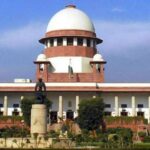
On July 26, 2025, the Supreme Court of India released a set of comprehensive guidelines addressing student mental health, marking a significant judicial response to the alarming rise in suicides among school and college students. The Court emphasized that the current mental health crisis in educational spaces represents a systemic failure rather than isolated incidents.
The judgment stemmed from a case involving the alleged suicide of a 17-year-old NEET aspirant from Visakhapatnam. The student’s parents, dissatisfied with the local investigation, had petitioned for a CBI inquiry. Taking cognizance of broader issues surrounding institutional negligence, the apex court expanded the scope of the case to address mental health challenges at a national level.
Data from the National Crime Records Bureau (NCRB) revealed that over 13,000 student suicides occurred in 2022, constituting 7.6% of the total suicide cases in the country. A significant proportion of these were attributed to academic stress, isolation, and exam failure. The Court observed that intense competition, batch segregation, and parental pressure had created a toxic environment, especially in coaching centres and residential academies.
The Supreme Court laid out 15 enforceable guidelines to be adopted by all educational institutions until comprehensive national legislation is enacted. These directives are binding and applicable across schools, colleges, coaching centres, hostels, and private training institutes.
1. Compulsory Mental Health Professionals
- All institutions with 100+ students must have at least one certified counsellor or psychologist.
- Smaller institutions must partner with nearby mental health professionals.
- Bi-annual mental health training for faculty and staff is mandated.
2. Safer Infrastructure
- Residential institutions are instructed to adopt preventive architecture such as tamper-proof ceiling fans and restricted rooftop access.
- Regular mental health audits of hostels must be conducted.
3. Non-Discriminatory Academic Practices
- Segregation based on academic performance (like “topper” and “slow learner” batches) is now prohibited.
- Public shaming for low performance is barred.
- Institutions must focus on personalized learning pathways instead of one-size-fits-all benchmarks.
4. Redressal and Reporting Mechanisms
- Confidential complaint systems must be created for students facing bullying, harassment, caste or gender discrimination.
- Institutions will face legal liability for ignoring complaints or retaliating against students who report misconduct.
5. Mandatory Mental Health Policy
- Every institution must publish an annual mental health strategy referencing:
- Ummeed Guidelines (Understand, Motivate, Manage, Empathise, Empower, Develop)
- Manodarpan Initiative (Ministry of Education, 2020)
- National Suicide Prevention Strategy (launched in 2022)
6. National Coordination Mechanism
- The Court called for a National Task Force on Student Mental Health, to monitor and support implementation, policy development, and training nationwide.
This ruling emphasizes the responsibility of educational bodies in promoting emotional and psychological well-being, not merely academic success. Institutions must prioritize compassionate pedagogy, ensure psychological safety, and maintain transparent administrative processes.
While the judgment lays a strong legal foundation, its effectiveness will rely on:
- Budgetary support from central and state governments.
- Capacity-building for hiring and training mental health professionals.
- Cultural change within institutions to destigmatize mental health.
The Supreme Court’s decision reframes mental wellness as integral to a student’s right to education and right to life, pushing for a shift


























No Comments: