PM Modi Inaugurates Phase I of Noida International Airport Jewar with Investment of 11200 Crore
Transformative boost for Uttar Pradesh and India’s aviation growth: PM

 The Impressive Times
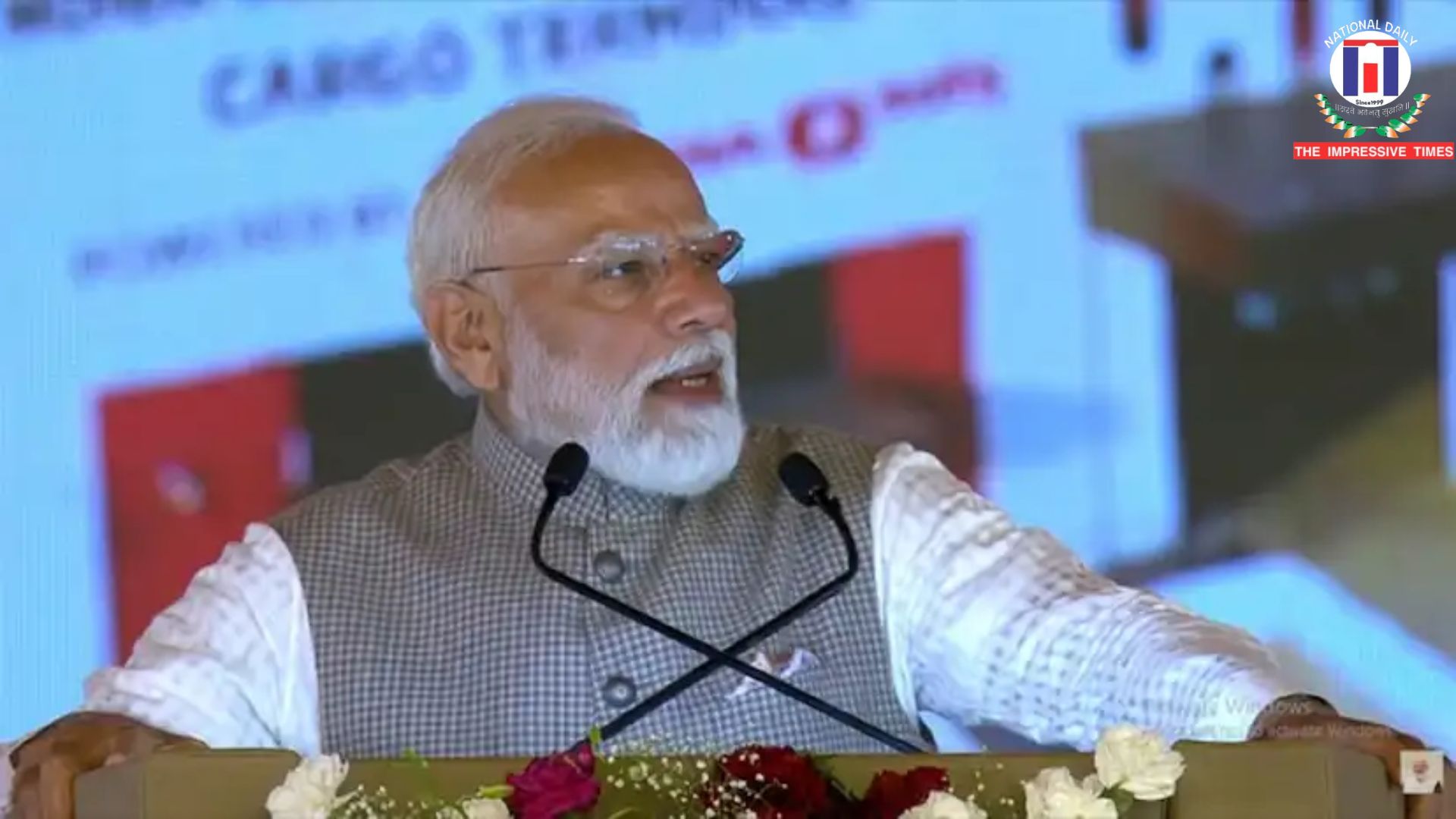
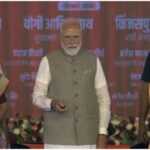
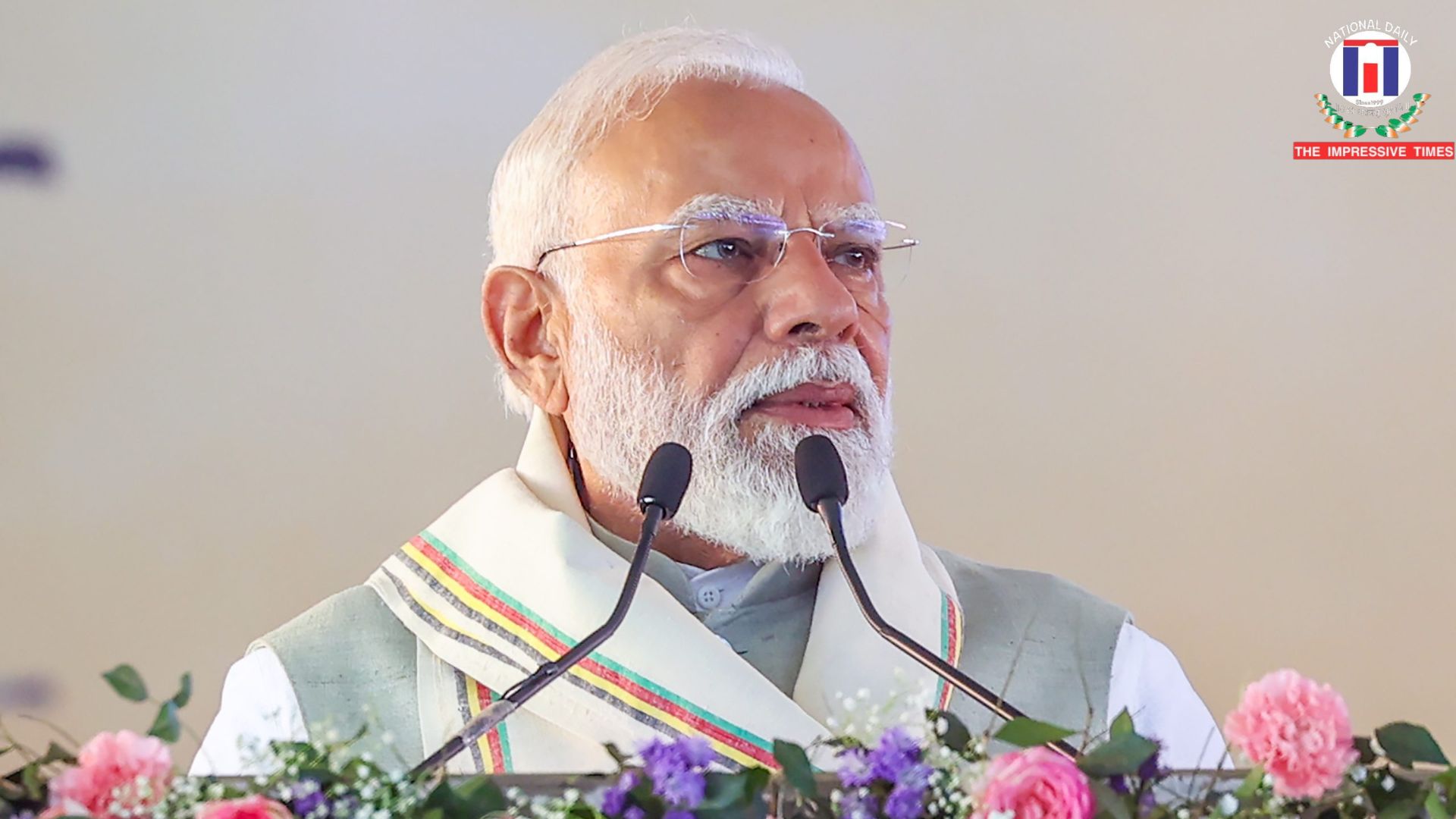
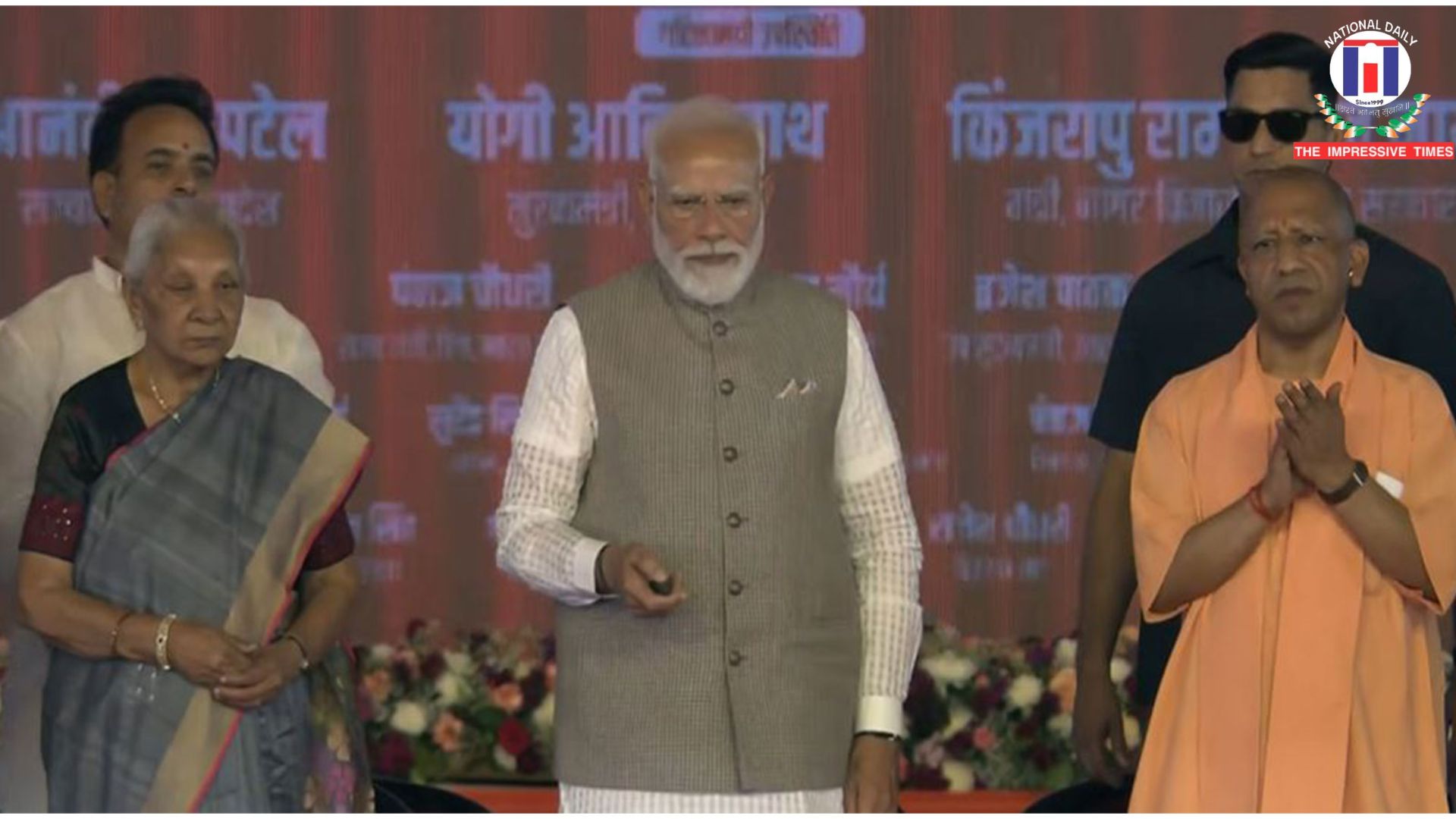
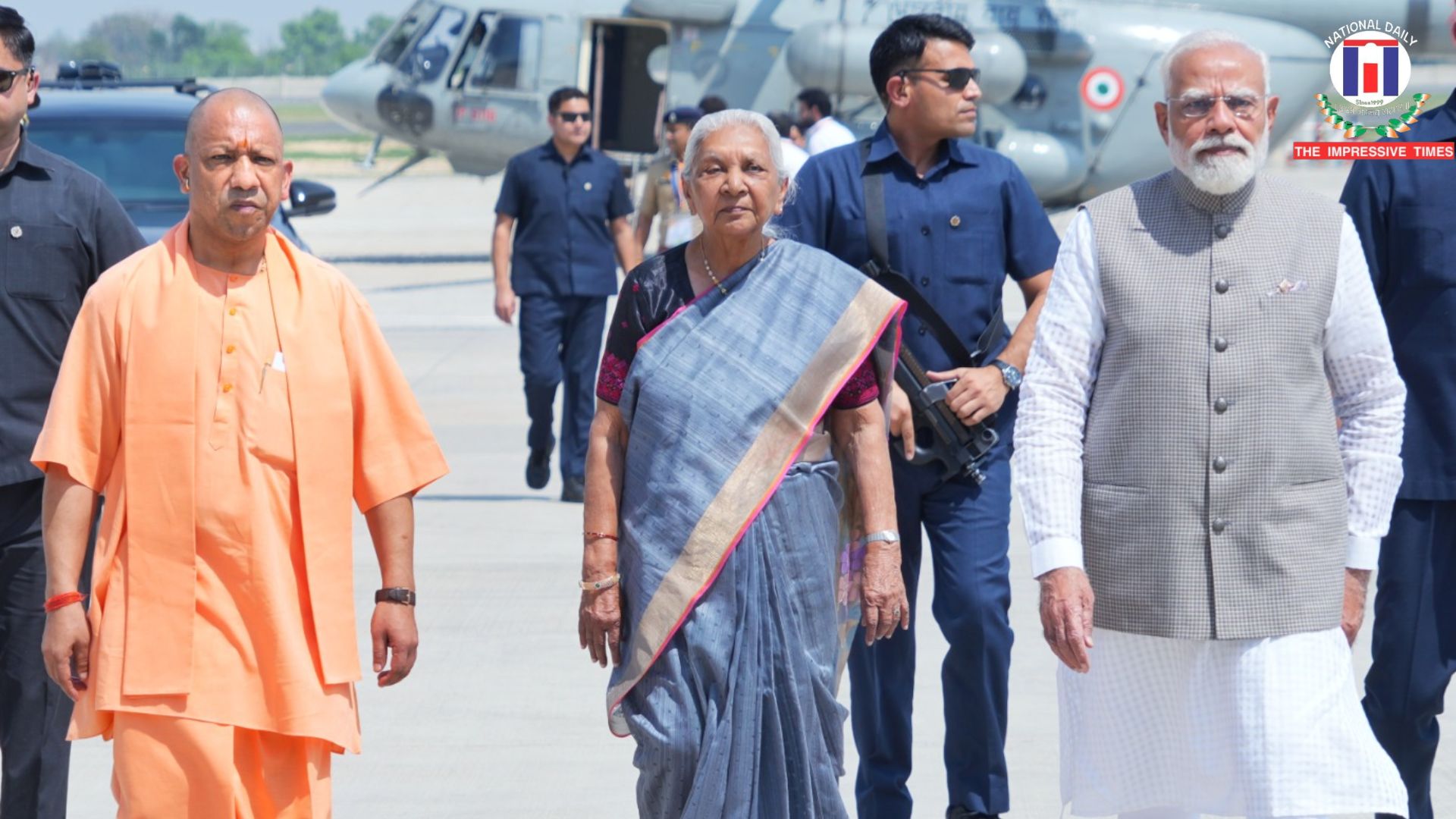
New Delhi, March 28, 2026; Prime Minister Narendra Modi today inaugurated Phase-I of the Noida International Airport at Jewar, Uttar Pradesh, developed with an investment of around ₹11,200 crore. Speaking on the occasion, PM Modi hailed the airport as a milestone in the Viksit UP and Viksit Bharat Abhiyan, noting that Uttar Pradesh has now emerged as one of the states with the highest number of international airports. He expressed pride in having laid the foundation stone earlier and now witnessing its operational launch.
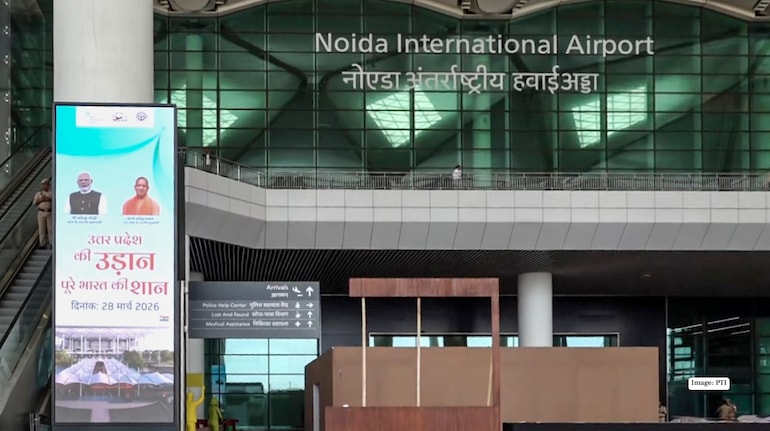
The Prime Minister highlighted that the new airport will serve a vast region including Agra, Mathura, Aligarh, Ghaziabad, Meerut, Etawah, Bulandshahr, and Faridabad, generating opportunities for farmers, small and medium enterprises, and the youth of western Uttar Pradesh. “Aircraft will fly from here to the world, and this airport will also become a symbol of a developed Uttar Pradesh taking flight,” he remarked.
PM Modi underlined that India’s aviation sector continues to expand rapidly, making air travel accessible beyond metropolitan cities. With more than 160 operational airports nationwide and 17 in Uttar Pradesh alone, he highlighted government initiatives like the UDAN scheme, which has enabled over 1.6 crore citizens to travel by air at affordable rates, and announced further expansion with Rs 29,000 crore approved for 100 new airports and 200 helipads.
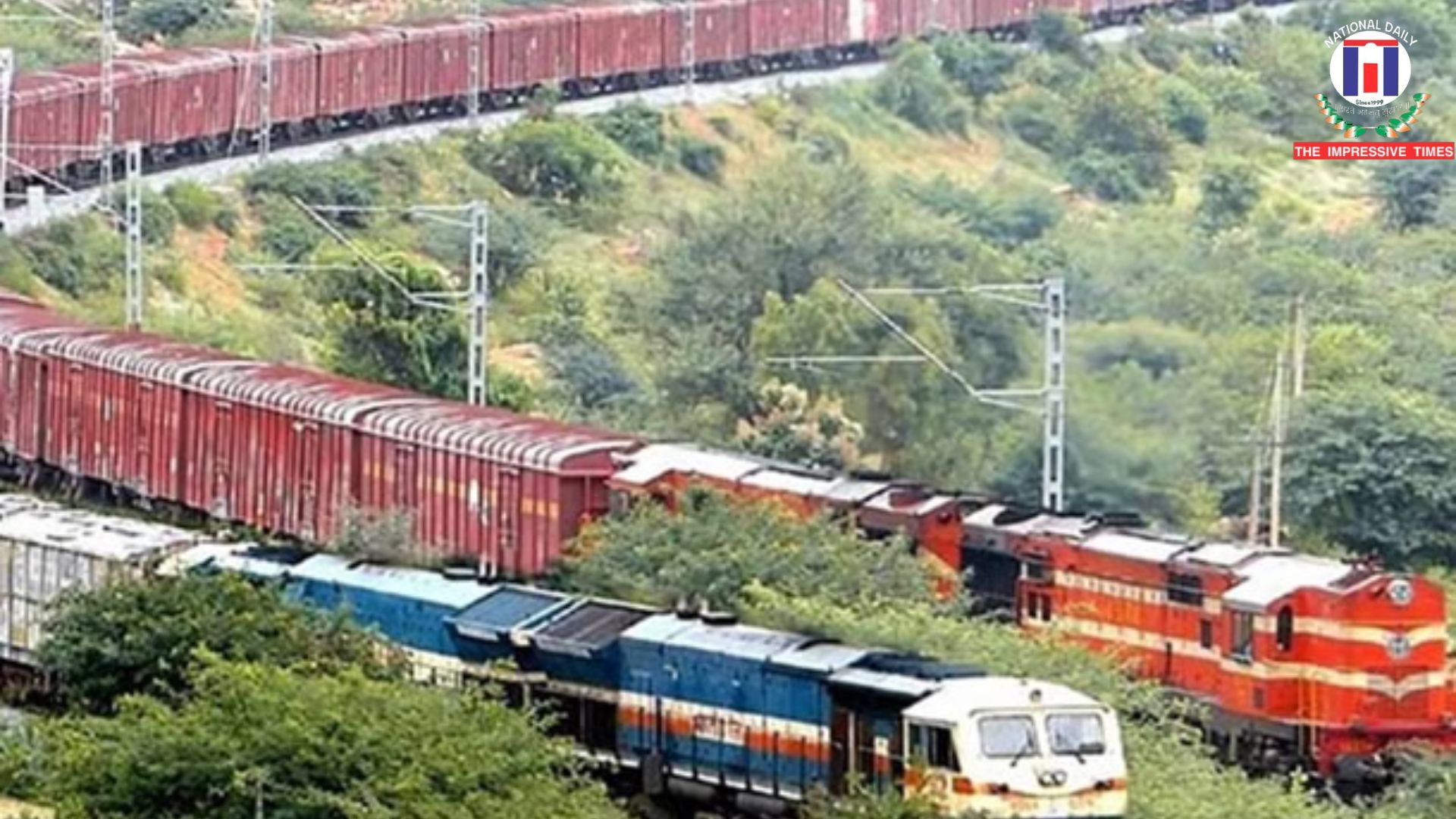
Emphasizing the importance of multi-modal connectivity, the Prime Minister cited the convergence of two major freight corridors at Dadri, enabling agricultural and industrial produce from the region to reach global markets swiftly by land and air. He also noted the role of ethanol production from sugarcane in reducing crude oil imports by approximately 700 crore litres annually, benefiting farmers and saving around Rs 1.5 lakh crore in foreign exchange.
PM Modi drew attention to complementary infrastructure developments in Western UP, including the foundation stone of a major semiconductor factory, the expansion of the Meerut Metro, and the Delhi-Meerut Namo Bharat Rail, underlining that these projects collectively strengthen regional development and global connectivity.
Highlighting gaps in the aviation ecosystem, the Prime Minister discussed plans to enhance India’s Maintenance, Repair, and Overhaul (MRO) sector. A new MRO facility at Jewar will serve both domestic and international aircraft, generate revenue, create employment, and reduce dependency on overseas services.
The Prime Minister also elaborated on unprecedented investment in India’s infrastructure over the past decade, including a six-fold increase in the infrastructure budget, extensive highway and railway expansion, and the first-time rail connectivity to the Kashmir Valley and North-Eastern capitals, alongside growing port and inland waterway capacities.
PM Modi paid tribute to farmers for contributing land and highlighted how enhanced connectivity will boost food processing and enable agricultural products from Western UP to reach global markets efficiently. He noted that airports are catalysts for progress, offering economic, technological, and social benefits beyond basic amenities.
Reflecting on global challenges, including the ongoing conflict in West Asia affecting essential commodity imports, PM Modi stressed the government’s commitment to protecting ordinary citizens and farmers from crisis impacts. He called for unity and patience, asserting that government policy prioritizes India’s and citizens’ interests above all.
Concluding his address, PM Modi reiterated the strategic importance of modern infrastructure in realizing a Viksit Bharat, emphasizing the combined impact of airports, railways, and industrial projects in transforming Uttar Pradesh into a hub of economic growth and international connectivity.













No Comments: